

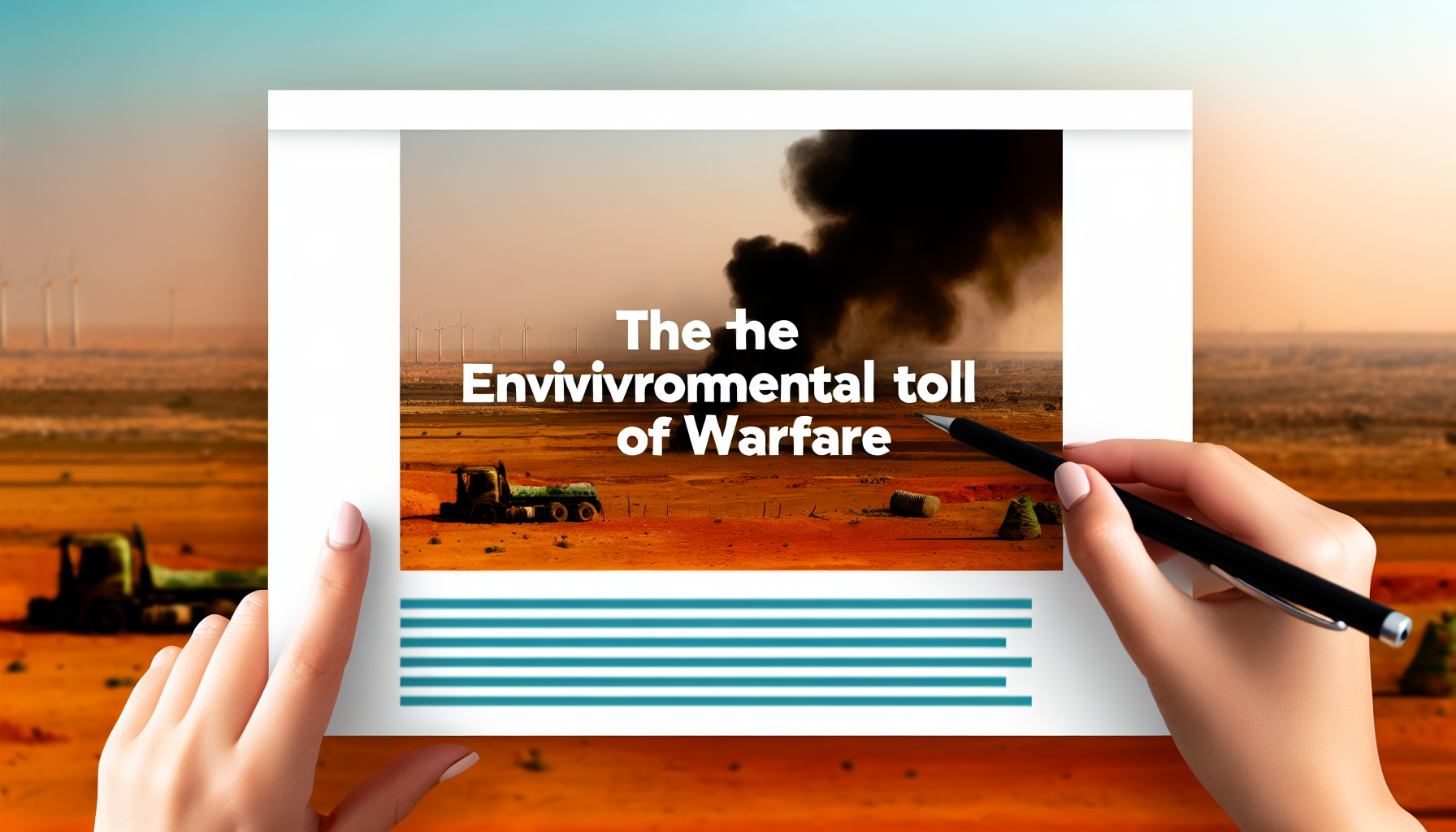
The ongoing conflicts in the Middle East have long been characterized by intense military engagements, but an often-overlooked aspect of these wars is their profound impact on the environment. As nations battle for control, the ecological consequences are often severe, leaving a lasting scar on the landscape and contributing to pollution and ecological degradation.
Pollution from Military Actions
Military operations, including airstrikes and ground assaults, generate significant amounts of pollution. The use of jet fuel in bombing raids creates toxic emissions that contribute to air quality deterioration. The acrid smoke from burning oil depots further exacerbates the situation, releasing harmful pollutants into the atmosphere. This combination of factors leads to an alarming increase in environmental hazards in already fragile ecosystems.
Impact on Air Quality
Air pollution resulting from warfare poses a serious risk to human health and the environment. The emissions from burning fuels and explosives contribute to respiratory issues among local populations, creating a public health crisis that extends beyond the immediate effects of conflict. Communities near conflict zones often experience increased rates of asthma and other respiratory illnesses, underscoring the far-reaching consequences of military actions.
Destruction of Natural Resources
Beyond air quality, the ongoing wars have led to the depletion and destruction of vital natural resources. Oil fields, which are often targeted during conflicts, not only represent economic assets but also serve as crucial components of the ecosystem. The destruction of these resources can lead to long-term environmental damage, including soil contamination and water pollution.
Ecological Damage
The ecological impact of warfare extends to various forms of wildlife and their habitats. As military operations disrupt the natural landscape, many species face threats to their survival. Habitat destruction can lead to diminished biodiversity, as species struggle to adapt to the rapidly changing environment caused by conflict. Additionally, the introduction of pollutants into water sources can result in devastating effects on aquatic ecosystems.
Consequences for Future Generations
The environmental toll of warfare is not just an immediate concern; it poses significant long-term challenges for future generations. Restoring damaged ecosystems is a daunting task, often requiring years or even decades of concerted effort. The loss of biodiversity can have cascading effects on food security and water availability, as ecosystems fail to provide the resources that communities rely on for survival.
International Response
While the focus of military engagements often centers on immediate strategic objectives, the international community must also consider the environmental implications of such conflicts. Greater awareness and action are needed to mitigate the ecological damage inflicted by warfare. Initiatives aimed at environmental protection and rehabilitation should be integrated into conflict resolution and post-conflict recovery efforts.
- Promoting Environmental Awareness: Educational campaigns can help raise awareness about the environmental impacts of warfare and the importance of ecological preservation.
- Implementing Sustainable Practices: Encouraging sustainable practices in conflict-affected regions can help mitigate environmental damage and promote recovery.
- International Cooperation: Countries must collaborate on environmental protection initiatives, emphasizing the shared responsibility to safeguard the planet.
Conclusion
The environmental consequences of war in the Middle East serve as a stark reminder of the interconnectedness of global issues. As military conflicts continue to unfold, the toll on the environment remains a critical concern that cannot be overlooked. Addressing these challenges requires a concerted effort from governments, organizations, and communities to prioritize environmental health alongside peace and security.
In summary, the wars in the Middle East are leaving behind not only human suffering but also a devastated environment that will take generations to heal. As the world watches the unfolding events, it is essential to recognize that the fight for a sustainable future is just as important as the struggle for peace.


