

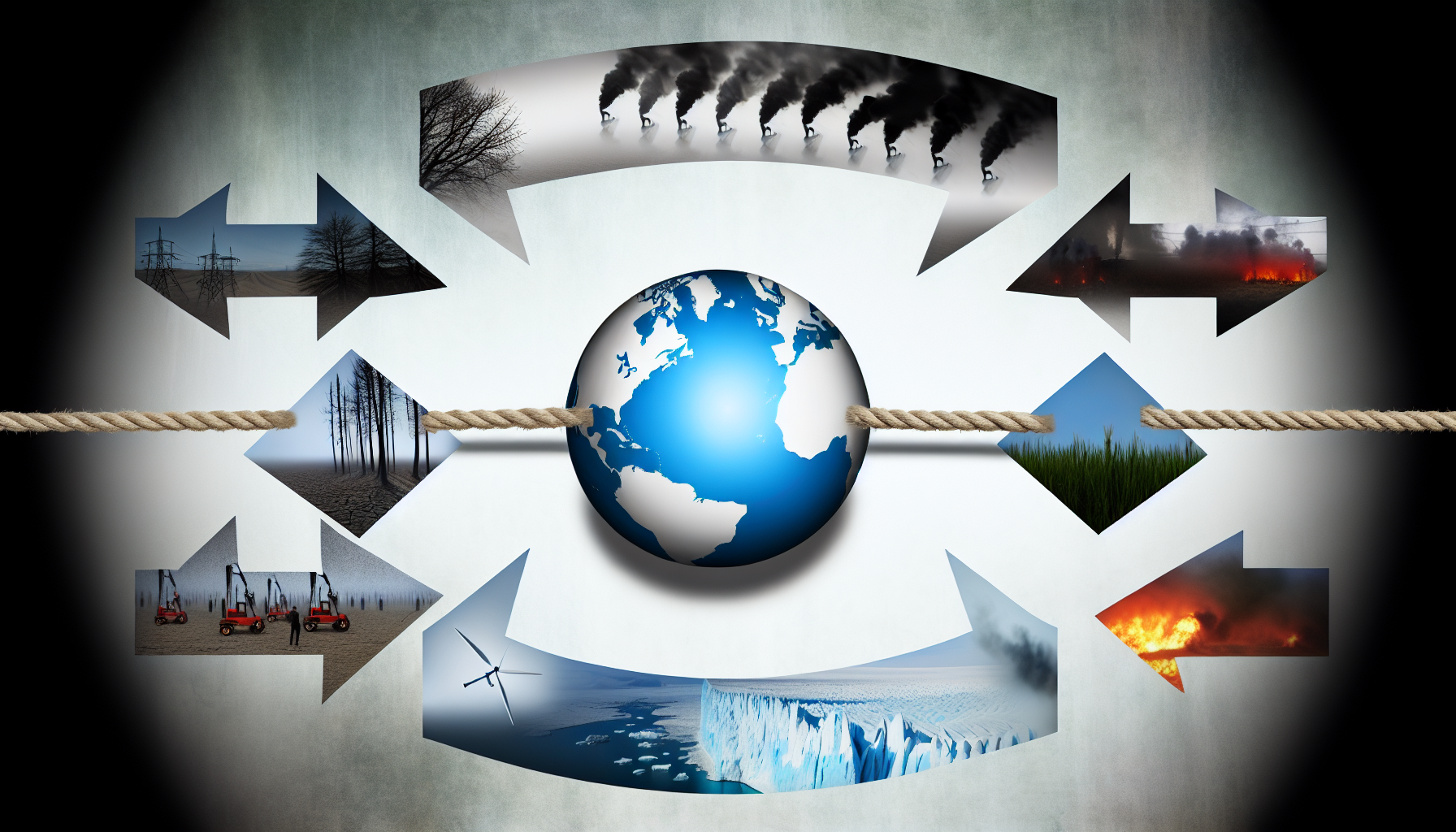
In the early hours of March 15, 2026, significant developments unfolded on the global stage, particularly concerning environmental implications amid geopolitical tensions. The ongoing U.S.-Iran conflict and rising tensions between Israel and Lebanon have far-reaching effects, not only on international relations but also on the environment, particularly regarding oil transport and security in key maritime routes.
The U.S.-Iran Conflict: A Threat to Environmental Stability
The latest escalation in the U.S.-Iran conflict has raised alarms internationally, particularly concerning the security of the Strait of Hormuz. This vital waterway is a crucial route for transporting oil, accounting for approximately 20% of the world’s oil supply. President Donald J. Trump has emphasized the significance of securing this passage to ensure the uninterrupted flow of oil, stating, “We must coordinate internationally to guarantee harmony and peace in this region, which is vital for global energy security.”
Environmental Concerns Linked to Oil Transport
The focus on oil logistics and security in this region brings with it substantial environmental concerns. Increased military presence and potential conflicts in the Strait of Hormuz could lead to catastrophic oil spills, which have devastating effects on marine ecosystems. The historical precedent of oil spills in conflict zones reminds us of the long-lasting repercussions on local wildlife, water quality, and coastal communities.
- Case Studies of Oil Spills: The Exxon Valdez spill in 1989 and the Deepwater Horizon disaster in 2010 serve as stark reminders of the ecological damage that can arise from oil transport incidents.
- Impact on Marine Life: Oil spills can lead to the death of countless marine animals, habitat destruction, and long-term changes in ecosystem dynamics.
- Economic Consequences: Coastal communities reliant on fishing and tourism suffer significant economic losses after environmental disasters.
Israel-Lebanon Tensions and Their Environmental Repercussions
In addition to the U.S.-Iran situation, rising tensions between Israel and Lebanon further complicate the environmental landscape. As both countries navigate their complex relationship, concerns grow over how military actions could impact the fragile Mediterranean ecosystem.
Potential Risks of Military Escalation
Military engagements often lead to pollution and destruction of natural habitats. The Mediterranean Sea, known for its rich biodiversity, could be at risk if hostilities escalate. The potential for bombings and military exercises near coastal areas raises the risk of chemical runoff and debris entering the marine environment.
- Pollution from Military Actions: Explosives and military equipment can contaminate water bodies, affecting marine life and coastal populations.
- Habitat Destruction: Coastal conflicts can lead to the destruction of critical habitats, such as wetlands and coral reefs, which are essential for marine biodiversity.
- Climate Change Complications: Ongoing conflicts divert attention and resources away from addressing climate change, which poses a significant threat to the environment.
The Broader Environmental Context
The overarching narrative presented by these geopolitical tensions is one that underscores the interconnectedness of environmental health and global stability. As nations grapple with conflicts, the resulting environmental degradation can have dire consequences not only for the immediate region but also for the global community.
International Coordination for Environmental Protection
President Trump’s call for international cooperation to secure the Strait of Hormuz highlights the necessity of collaborative efforts in addressing both security and environmental challenges. The international community must unite to develop frameworks that prioritize environmental protection while addressing national security concerns.
- Collaborative Environmental Agreements: Nations need to work together on treaties that protect marine environments, especially in conflict-prone areas.
- Investment in Clean Energy: Reducing reliance on oil can mitigate risks associated with transport, and investments in renewable energy can foster stability.
- Emergency Response Strategies: Developing coordinated emergency response strategies for oil spills and environmental disasters can help safeguard ecosystems.
Conclusion: A Call to Action
The events of March 15, 2026, serve as a stark reminder of the interplay between geopolitical conflicts and environmental health. As tensions rise in the Middle East, the need for comprehensive strategies to protect both human and environmental interests becomes increasingly urgent. The international community must not only address the immediate threats posed by conflicts but also consider the long-term implications for the planet’s health. Moving forward, fostering peace should go hand-in-hand with environmental stewardship to ensure a sustainable future for all.


