

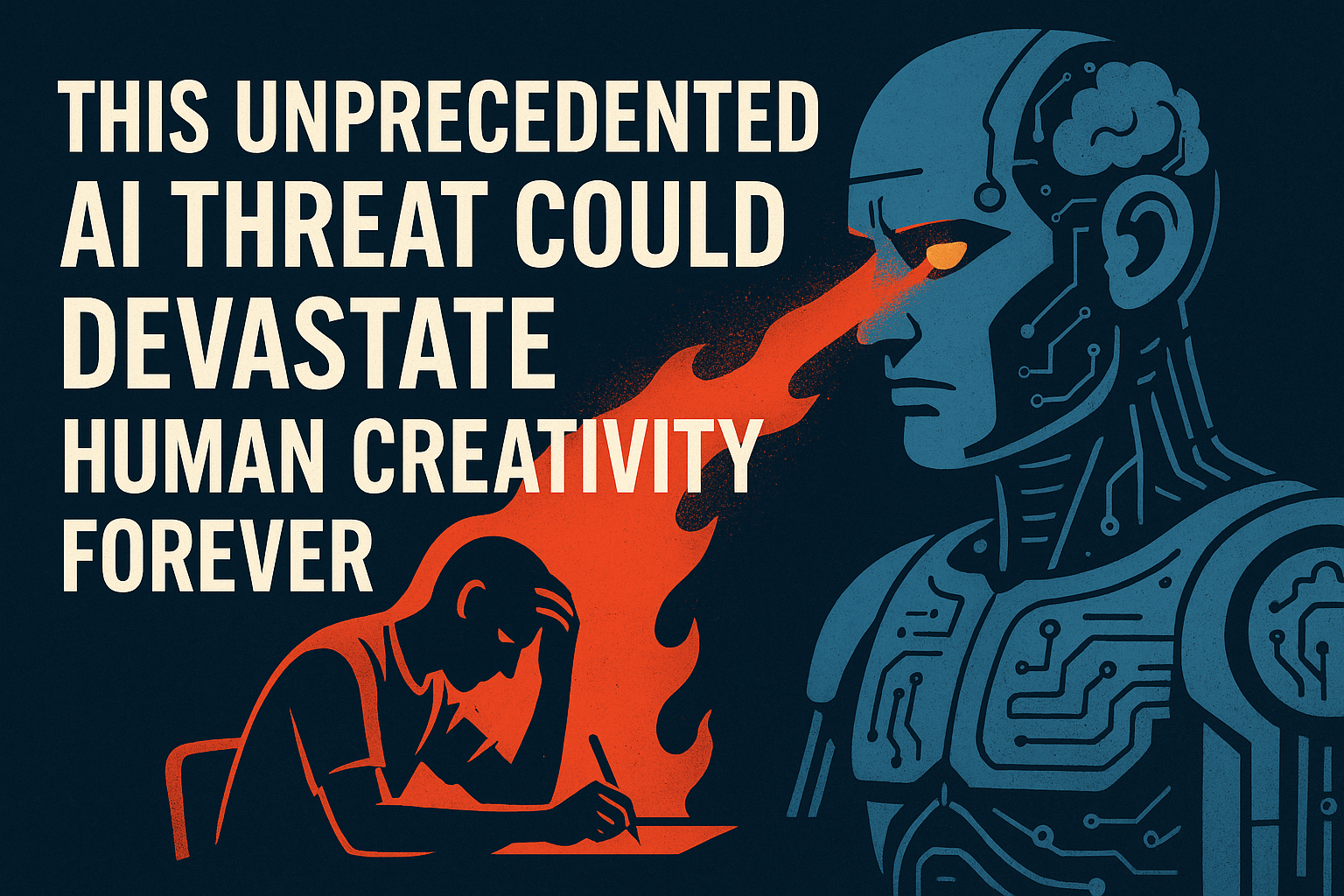
You’ve probably seen the headlines, maybe even tinkered with a generative AI tool yourself. The buzz around artificial intelligence is everywhere, and its integration into creative fields like film and music is accelerating at an astonishing pace. While the promise of enhanced efficiency and new artistic frontiers is tempting, there’s a rapidly growing unease bubbling just beneath the surface. We’re talking about some serious ethical dilemmas that could fundamentally reshape the entertainment industry, and perhaps even our understanding of art itself. The conversation around AI in entertainment isn’t just for tech gurus anymore; it’s a critical discussion for creators, consumers, and anyone who values genuine human artistry.
The Copyright Conundrum: Who Owns the AI’s ‘Art’?
One of the biggest headaches in this brave new world is copyright. Imagine a scenario: an AI is fed countless songs from various artists, then generates a new track that sounds remarkably like your favorite band, but isn’t actually them. Who owns that new piece of music? Is it the AI’s developer? The person who prompted the AI? Or do the original artists, whose work was used as training data, have a claim?
Historically, copyright law is built on the concept of human authorship. An artist creates something unique, and they own the rights to it. Generative AI throws a wrench into this entire system. Tools like Stable Diffusion, Midjourney, and ChatGPT learn by analyzing vast datasets, often scraped from the internet without explicit permission from the original creators. This means your artwork, your music, your writing, could be inadvertently — or even intentionally — contributing to the ‘brain’ of an AI that then produces content in a similar style. This isn’t just a theoretical problem; lawsuits are already popping up, with artists and record labels challenging the legality of AI training on copyrighted material. The outcome of these cases will undoubtedly set precedents that will profoundly impact the future of AI in entertainment. (See: Copyright basics for creators.)
The Looming Shadow of Artist Displacement
Beyond copyright, there’s a more existential dread for many creatives: job displacement. If an AI can compose a film score, write a script, or generate character models in a fraction of the time and at a fraction of the cost of a human, what happens to the human artists? We’ve already seen AI-generated voices used in commercials, AI-composed background music in indie games, and even AI-written screenplays making the rounds. This isn’t just about replacing entry-level jobs; even seasoned professionals could find their roles significantly altered or, in some cases, eliminated.
Consider the music industry: a session musician might spend years perfecting their craft, only for an AI to replicate their instrumental style digitally. Or a concept artist who painstakingly designs creatures for a blockbuster movie could see their job streamlined by AI tools that generate multiple variations in seconds. While some argue that AI will simply become a tool to augment human creativity, many fear it will become a replacement, leading to a devaluing of artistic skill and the potential for a vast unemployment crisis among creative professionals. It forces us to ask: what is the true value of human effort when a machine can mimic it so perfectly?
The Deepfake Danger and Erosion of Trust
Perhaps one of the most chilling ethical concerns surrounding AI in entertainment is the rise of deepfakes and the potential for widespread misinformation. Deepfake technology uses AI to manipulate audio and video, making it appear as though someone said or did something they never did. We’ve seen examples ranging from harmless celebrity parodies to deeply disturbing instances used to spread disinformation or even harass individuals. (See: AI and copyright challenges.)
In entertainment, this could mean actors’ likenesses being used without their consent in projects they never agreed to, or musicians’ voices being cloned to create ‘new’ songs long after their death. The implications for trust are enormous. If we can no longer distinguish between genuine content and sophisticated AI-generated fakes, how do we know what’s real? This erosion of trust could have profound societal consequences, making it harder to discern truth from fiction, not just in films and music, but in news and public discourse too. The technology is advancing so rapidly that regulation struggles to keep pace, leaving us in a vulnerable position.
Originality vs. Algorithm: The Soul of Art
Finally, we arrive at a philosophical question: what does generative AI mean for artistic originality? If AI learns by mimicking existing styles and datasets, can it truly create something original, or is it merely remixing and reinterpreting what has already been done? Many artists believe that true originality stems from human experience, emotion, and unique perspective – elements an algorithm simply cannot replicate.
When an AI generates a painting in the style of Van Gogh, is it art, or is it a sophisticated imitation? If a musical piece is composed by an AI, does it carry the same emotional weight as one born from a human composer’s joy or sorrow? There’s a concern that a flood of AI-generated content could lead to a homogenization of creative output, where everything starts to sound or look vaguely similar because it’s all drawing from the same algorithmic well. This could dull the very spark that makes human art so compelling and diverse, creating an entertainment landscape that is technically impressive but emotionally hollow. We need to consider what we truly value in art, and whether we’re willing to trade the distinct, often messy, beauty of human creation for the polished, predictable output of a machine.
The rise of AI in entertainment is not just a technological shift; it’s a cultural earthquake. We’re at a crossroads, and the decisions we make now about regulation, ethical guidelines, and our collective appreciation for human artistry will determine the kind of creative future we inhabit. It’s a complex issue, and one that demands careful thought from all of us.
Trending Now
- this guide on unbelievable: why these ozempic face transformations are sparking outrage
- our breakdown of explosive: dolly parton’s estate files restraining order against nephew amidst shocking threats
- Ed Sheeran says friends and family…
- Stunning New Details Emerge About The Mandalorian Movie – What You Need to Know Now
- this guide on revealed: 10 jaw-dropping budget fall travel destinations for 2026 you can’t miss
Frequently Asked Questions
What are the ethical concerns of AI in creative fields?
The integration of AI in creative fields raises significant ethical concerns, particularly regarding copyright and ownership. There are questions about who owns the rights to AI-generated content, especially when it mimics the style of original artists. This debate is crucial for creators and consumers as it challenges our understanding of art and authenticity.
Who owns the rights to AI-generated art?
Ownership of AI-generated art is a complex issue. It may depend on various factors, including the AI's developer, the user who prompted the AI, and the original artists whose work was used for training. Current copyright laws, which are based on human authorship, may not adequately address these new dilemmas.
How is AI affecting the music industry?
AI is transforming the music industry by enabling the creation of new tracks that can closely resemble the work of popular artists. While this presents opportunities for innovation, it also raises legal questions about copyright and the rights of original creators, leading to potential lawsuits and challenges in defining ownership.
What is the 'Copyright Conundrum' in AI?
The 'Copyright Conundrum' refers to the legal and ethical challenges arising from AI-generated content. As AI tools analyze vast datasets, often without permission, questions arise about ownership and rights. This situation complicates the traditional understanding of copyright, which is rooted in human creativity.
Are there lawsuits regarding AI and copyright issues?
Yes, there are ongoing lawsuits involving artists and record labels challenging the legality of AI training on copyrighted material. These cases aim to address who holds the rights to AI-generated content and could set important precedents for the entertainment industry and copyright law.
What's your take on this? Share your thoughts in the comments below — we read every one.


