

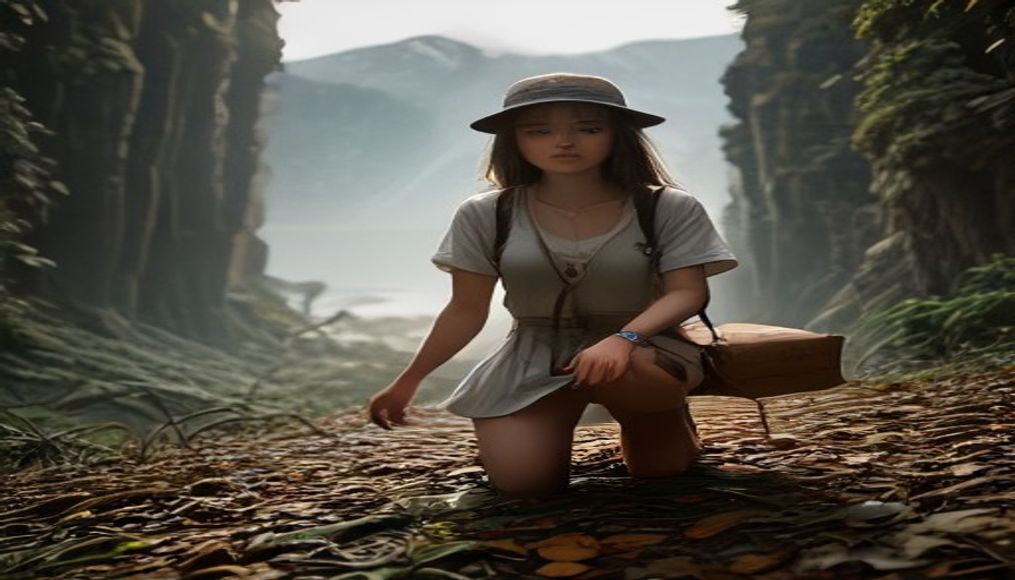
Scroll through TikTok these days and you’re bound to stumble upon the ‘granola girl’ trend. With a staggering 2.6 billion views on its hashtag, this aesthetic has completely captured the imagination of Gen Z, painting an idyllic picture of eco-conscious outdoor adventures, particularly in the rugged beauty of the Australian bush. Think sun-drenched trails, natural landscapes, and a general vibe of carefree, free-spirited exploration. It’s undeniably aspirational, a breath of fresh air in a screen-dominated world. But here’s the kicker: this seemingly wholesome movement, propelled by influencers and picturesque posts, is inadvertently concealing some very real, very serious dangers.
It’s easy to get swept up in the romantic vision. The ‘granola girl’ trend promises a return to nature, a rejection of consumerism, and a connection with the wild. Who wouldn’t want to embrace that? Yet, as we’re seeing more and more, the curated reality of social media often glosses over the gritty, challenging, and sometimes perilous truth of genuine bushwalking. This isn’t just a minor oversight; it’s a critical issue that experts are now urgently highlighting, especially after recent incidents have brought the hidden risks into sharp focus.
The TikTok Illusion: When Aspiration Meets Harsh Reality
The allure of the ‘granola girl’ trend lies in its visual appeal. Influencers, often impeccably dressed in earthy tones, share stunning vistas and seemingly effortless treks. They make it look easy, almost like a walk in the park. But anyone who’s spent serious time in the Australian bush knows it’s anything but. The terrain can be unforgiving, weather patterns can shift dramatically in minutes, and what looks like a gentle incline on a screen might be a treacherous climb in real life. (See: mental health and youth trends.)
Di Westaway OAM, the founder of Wild Women On Top, a prominent organization focused on empowering women through hiking, has been vocal about this disconnect. She points out that the ‘granola girl’ trend, while well-intentioned in its promotion of outdoor activity, often fails to convey the sheer physical and mental effort, not to mention the extensive preparation, required for safe bushwalking. It’s a classic case of social media presenting an edited highlight reel, omitting the sweaty struggles, the blisters, the navigation challenges, and the potential for serious injury or getting lost.
Recent Rescues Highlight the Growing Peril
The warnings from experts like Westaway aren’t theoretical; they’re grounded in unfortunate reality. Just recently, Queensland’s Tallebudgera Valley saw four hikers rescued in two separate incidents within a mere 24 hours. These aren’t isolated events; they’re stark reminders of what happens when enthusiasm outstrips experience and preparation. These individuals, likely inspired by the very aesthetic that downplays risk, found themselves in genuine trouble, requiring emergency services to intervene. It’s a sobering thought: a trend designed to foster a love for nature could, ironically, be leading young people into dangerous situations. (See: mental health response strategies.) (mental health risks on social media)
Think about it: a young person, perhaps new to hiking, sees a stunning photo of an influencer perched on a cliff edge with a breathtaking backdrop. They decide to replicate the experience, armed with little more than a smartphone and perhaps some trendy, but ultimately inadequate, gear. What they don’t see in the influencer’s post are the hours of training, the detailed route planning, the emergency beacon, the first-aid kit, or the deep understanding of local conditions. They don’t see the careful assessment of risk that seasoned hikers undertake before even setting foot on a trail.
Beyond the Aesthetic: Practical Steps for Safe Bushwalking
So, how can we embrace the positive aspects of the ‘granola girl’ trend – the desire to connect with nature and live more sustainably – without falling prey to its hidden dangers? It really boils down to education and preparation. While the aesthetic might be about looking effortlessly cool, actual bush safety is about being meticulously prepared and humble in the face of nature’s power. Here are some critical points to remember:
- Research Your Route: Don’t just pick a trail because it looks good on Instagram. Understand its difficulty, length, and elevation changes. Check weather forecasts rigorously.
- Go Equipped: This means proper hiking boots, sufficient water (more than you think you’ll need!), snacks, a map and compass (and know how to use them), a fully charged phone, and a personal locator beacon (PLB) for remote areas.
- Tell Someone Your Plans: Always inform a trusted person about your route, expected return time, and who you’re with.
- Hike with Experience: If you’re new to bushwalking, go with someone experienced. Join a local hiking group or even consider guided tours to build your skills safely.
- Understand Your Limits: The Australian bush can be brutal. Don’t push yourself beyond your physical capabilities, especially when alone or in unfamiliar territory.
- Leave No Trace: While the ‘granola girl’ trend emphasizes eco-consciousness, truly practicing it means packing out everything you pack in, staying on marked trails, and respecting wildlife.
Reclaiming the Spirit of Adventure Responsibly
The enthusiasm for the outdoors sparked by the ‘granola girl’ trend is a wonderful thing in many respects. It encourages young people to step away from screens and into the natural world, fostering an appreciation for our planet’s wild spaces. But this enthusiasm must be tempered with a healthy dose of reality and respect for the environment. The Australian bush, while beautiful, is not a curated backdrop for a photoshoot; it’s a powerful ecosystem that demands caution, preparation, and skill. (See: latest news on social media trends.) For more on this, see viral advice pitfalls in mental health.
Let’s encourage genuine adventure – the kind that builds resilience, teaches navigation, and connects us deeply with nature – rather than a superficial, risk-prone imitation. The true spirit of the ‘granola girl’ trend should be about sustainable, safe, and respectful engagement with the outdoors, not just pretty pictures. It’s time to shift the narrative from effortless beauty to informed, responsible exploration, ensuring that these young adventurers return home safely, ready for their next, well-prepared journey.
Trending Now
Frequently Asked Questions
What is the granola girl trend?
The granola girl trend is a popular aesthetic on social media, particularly TikTok, that promotes eco-conscious outdoor adventures, emphasizing a carefree lifestyle connected to nature. It has gained significant traction among Gen Z, showcasing idyllic images of hiking and exploration, often in the Australian bush.
Why is the granola girl trend dangerous?
While the granola girl trend appears aspirational, it can be misleading. The curated images often overlook the real dangers of bushwalking, such as treacherous terrain and unpredictable weather, leading inexperienced individuals to underestimate the risks involved in outdoor activities.
How does social media impact perceptions of outdoor activities?
Social media, particularly platforms like TikTok, can create an unrealistic portrayal of outdoor activities. Influencers often present a polished and effortless experience, which can lead followers to ignore the complexities and dangers of real-life bushwalking, potentially putting them in harm's way.
What are the risks associated with bushwalking in Australia?
Bushwalking in Australia poses several risks, including challenging terrain, sudden weather changes, and the potential for getting lost. These dangers are often downplayed in social media portrayals, which can mislead young adventurers about the realities of outdoor exploration.
What should young people consider before following outdoor trends?
Before embracing outdoor trends like the granola girl aesthetic, young people should consider their experience level, the realities of nature, and the necessary preparation for safety. Understanding the risks and being equipped for genuine outdoor challenges is crucial for a safe experience.
Agree or disagree? Drop a comment and tell us what you think.


