

Have you noticed a subtle but profound shift in how people are approaching their purchases and even their daily lives? It’s not about flashy logos or Instagrammable moments anymore. Instead, a powerful new philosophy is taking hold, one that whispers rather than shouts: quiet luxury. This isn’t just another fleeting trend; it’s a full-blown lifestyle movement, prioritizing discretion, impeccable quality, and enduring value over the loud, often temporary allure of overt branding. Think less ‘look at me’ and more ‘I know what I have, and it’s exquisite.’ In a world often oversaturated with disposable trends and conspicuous consumption, more and more individuals are seeking authenticity, durability, and a discreet elegance that truly resonates with their personal well-being and environment. It’s a fascinating evolution, isn’t it?
Beyond the Brand: What Defines Quiet Luxury?
At its heart, quiet luxury is about substance over spectacle. It’s a conscious decision to invest in items, experiences, and routines that offer genuine intrinsic value, rather than relying on external validation. You won’t find prominent monograms or easily identifiable designer tags here. Instead, the hallmarks are often subtle: the buttery softness of a perfectly tailored cashmere sweater, the seamless glide of a well-engineered watch, the understated elegance of a hand-stitched leather bag. It’s about the feeling you get when you use or wear something crafted with exceptional care, knowing its quality will stand the test of time, both aesthetically and functionally.
This approach isn’t about being cheap; quite the opposite. It often means paying a premium for superior materials, ethical production, and artisanal craftsmanship. The difference is, the value is inherent in the product itself, not in its marketing. Consumers embracing quiet luxury are often highly discerning, doing their research, and understanding the provenance and construction of what they buy. They’re seeking pieces that will last for years, perhaps even decades, becoming beloved parts of their personal narrative rather than seasonal cast-offs. It’s a more mindful, sustainable way to consume, reducing waste and fostering a deeper appreciation for what we own. (See: the rise of quiet luxury.)
Fashion’s Understated Revolution
Nowhere is the impact of quiet luxury more evident than in fashion. For years, the industry was dominated by ‘it’ bags and logo-heavy streetwear. But now, we’re seeing a return to classic silhouettes, premium fabrics, and impeccable tailoring. Think of brands like Loro Piana or Brunello Cucinelli – their clothing speaks volumes through its texture, drape, and fit, not through a giant emblem. These are garments designed to be worn for years, versatile enough to be dressed up or down, and so well-made they often improve with age. It’s a rejection of fast fashion’s disposability in favor of a curated, timeless wardrobe.
This shift extends beyond just clothing. Accessories, too, are reflecting this change. Instead of flashy jewelry, we’re seeing a preference for delicate, well-crafted pieces that hold personal significance. Watches, for example, are chosen for their horological excellence and heritage rather than their bling factor. It’s about pieces that tell a story, perhaps even an heirloom, rather than simply announcing their price tag. This discerning eye for quality over flash is truly redefining what it means to dress well. (See: exploring quiet luxury trends.)
Quiet Luxury at Home and Away
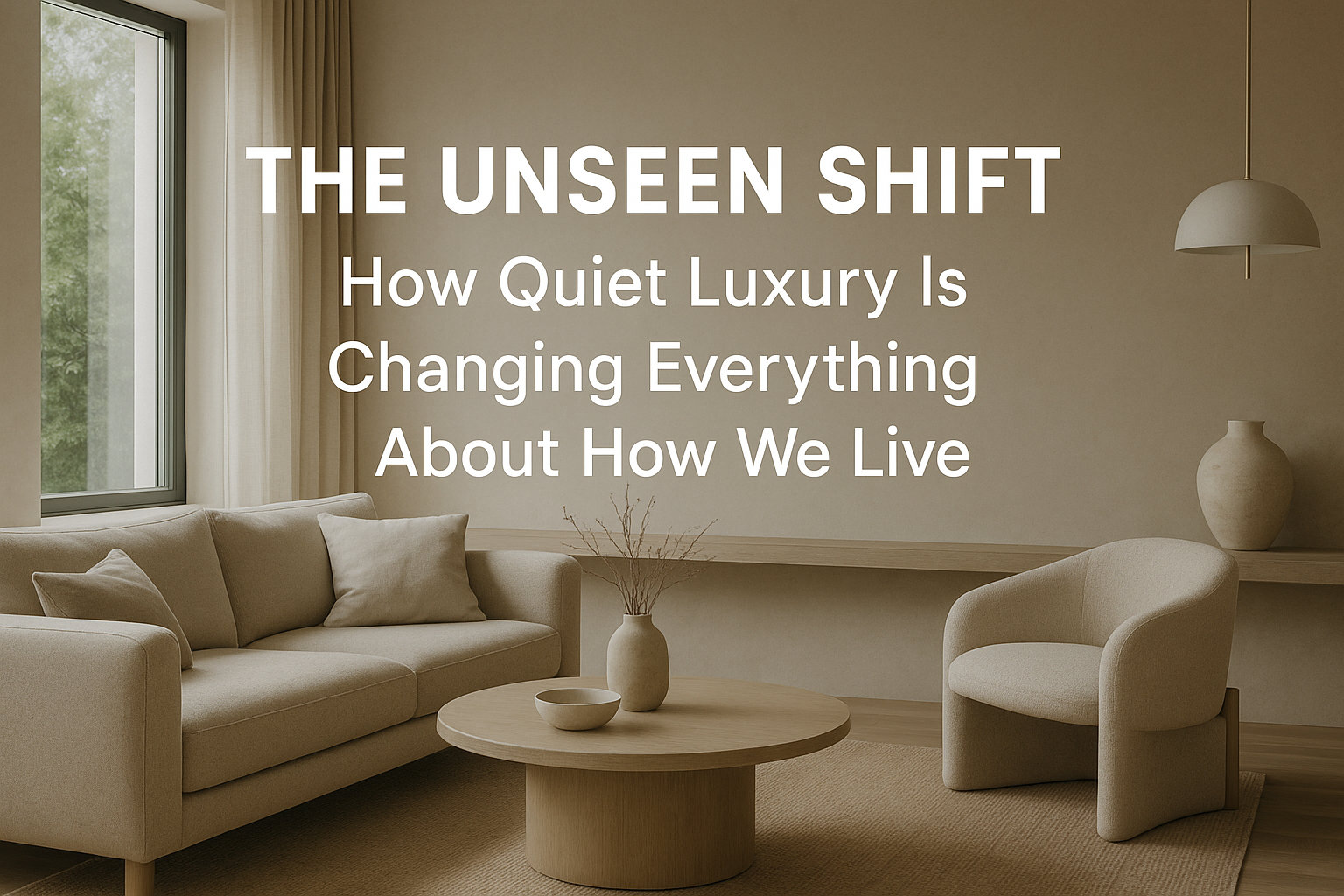
The philosophy of quiet luxury isn’t confined to your closet; it permeates our living spaces and travel choices too. In home decor, this translates to a preference for natural materials like linen, wool, solid wood, and stone. Furniture is chosen for its comfort, durability, and clean lines, often custom-made or sourced from artisans who prioritize craftsmanship. The emphasis is on creating a serene, inviting environment that feels authentic and personal, free from trendy clutter or overly ornate decorations. It’s about a home that feels like a sanctuary, a calm space in a busy world, reflecting a refined taste without needing to impress anyone else.
When it comes to travel, quiet luxury means opting for experiences that offer genuine immersion and unparalleled service, often in boutique hotels or private villas that prioritize privacy and bespoke attention. It’s less about ticking off tourist traps and more about authentic encounters, exquisite dining, and serene relaxation. Think private transfers, discreet personal concierges, and destinations chosen for their tranquility and cultural richness, rather than their Instagram potential. It’s about investing in memories and rejuvenation, not just photo opportunities. (See: Harvard University insights on consumer behavior.)
Embracing a More Meaningful Lifestyle
Ultimately, quiet luxury is more than just an aesthetic; it’s a mindset. It encourages us to look beyond superficial appearances and truly consider the value, longevity, and impact of our choices. It’s about investing wisely in things that genuinely enhance our lives, whether that’s a beautifully made object, a restorative travel experience, or simply the peace of mind that comes from knowing you’ve made a considered, quality choice. In a noisy, ever-changing world, finding solace and satisfaction in the understated elegance of quiet luxury feels like a truly refreshing and meaningful way to live.
Trending Now
Frequently Asked Questions
What is quiet luxury?
Quiet luxury is a lifestyle movement that prioritizes discretion, quality, and enduring value over flashy branding. It focuses on investing in items and experiences that offer genuine intrinsic value, emphasizing craftsmanship and subtle elegance rather than overt displays of wealth.
How is quiet luxury different from traditional luxury?
Unlike traditional luxury, which often relies on prominent branding and logos, quiet luxury emphasizes substance over spectacle. It values high-quality materials and artisanal craftsmanship, allowing the products to speak for themselves without needing external validation.
Why are people shifting towards quiet luxury?
People are gravitating towards quiet luxury due to a desire for authenticity and durability in a world filled with disposable trends. This shift reflects a growing appreciation for items that resonate with personal well-being and environmental consciousness.
What are the characteristics of quiet luxury items?
Quiet luxury items are characterized by their exceptional quality, understated elegance, and lack of prominent branding. Examples include tailored cashmere sweaters, well-engineered watches, and hand-stitched leather bags, all of which offer a sense of timelessness and sophistication.
Is quiet luxury more expensive than traditional luxury?
While quiet luxury often involves paying a premium for superior materials and ethical production, the emphasis is on inherent value rather than marketing. Consumers may pay more, but they invest in quality that lasts rather than fleeting trends.
Have you experienced this yourself? We'd love to hear your story in the comments.


