

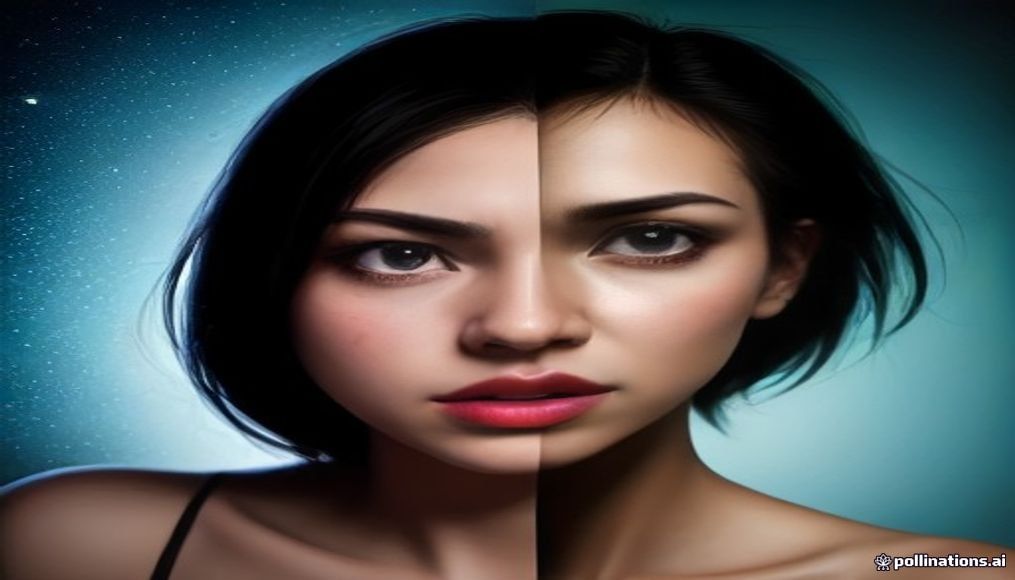
You’ve seen the headlines, scrolled past the side-by-sides, and maybe even whispered about it over coffee: “Ozempic Face.” It’s the latest, most talked-about side effect of the rapid weight loss facilitated by GLP-1 medications like Ozempic and Mounjaro. While these drugs have been game-changers for individuals managing type 2 diabetes and obesity, their off-label use for cosmetic weight loss has created a peculiar new phenomenon. We’re talking about a gaunt, hollowed-out look that seems to add years to a person’s appearance, and it’s particularly noticeable among celebrities. The visual evidence of these Ozempic face transformations has ignited a firestorm of discussion across social media, raising questions not just about aesthetics, but about health, Hollywood pressure, and our evolving relationship with body image.
The Unintended Side Effect: When Rapid Weight Loss Ages You
It sounds counterintuitive, doesn’t it? Lose weight, look younger. For decades, that’s been the mantra. But with the incredibly swift weight loss achieved by medications like Ozempic, the skin doesn’t always have time to adapt. When significant fat deposits are lost quickly from the face, it can leave behind loose skin, prominent wrinkles, and a sunken appearance around the eyes and cheeks. This isn’t just about looking a little thinner; it’s about a dramatic shift that, for many, reads as prematurely aged or even unwell. It’s a striking contrast to the healthy glow often associated with gradual, sustainable weight loss.
The visual impact of these Ozempic face transformations has become a viral sensation, particularly as the public scrutinizes celebrity appearances. Think about how we’ve seen discussions erupt around figures like Demi Moore, Lana Del Rey, and Tori Spelling. Their recent transformations have become fodder for countless online debates, with fans and critics alike speculating about the role of these powerful new drugs. It’s a stark reminder that while the number on the scale might drop, the aesthetic outcome isn’t always what someone might envision, especially when pursuing extreme thinness. (See: Ozempic and weight loss effects.)
Hollywood’s Relentless Pursuit of Thinness and the GLP-1 Era
Hollywood has always had a complicated relationship with body image. From the waif-like supermodels of the 90s to the ‘heroin chic’ era, the entertainment industry has consistently pushed evolving, often unrealistic, beauty standards. Today, with GLP-1 agonists widely available, we’re seeing an acceleration of this trend. There’s an undeniable pressure in the industry to maintain a certain physique, and these medications offer a path to rapid results that was previously unattainable for many.
This isn’t to say every celebrity using these drugs is doing so for purely cosmetic reasons. Public figures like Rosie O’Donnell and Boy George, for example, have openly discussed their use of weight-loss medications, often citing health benefits. However, the broader societal conversation inevitably shifts to the aesthetic outcomes. When these dramatic Ozempic face transformations become commonplace, it raises a critical question: are we inadvertently normalizing extreme thinness and potentially promoting disordered eating patterns, effectively rolling back years of progress made by the body positivity movement? (See: CDC on obesity management.)
The Ethical Quandary: Ozempic for Aesthetics vs. Health
Beyond the visual changes, the rise of “Ozempic Face” brings with it a complex ethical debate. These medications were developed to treat serious health conditions – type 2 diabetes and clinical obesity. Their off-label use for rapid cosmetic weight loss, often by individuals who don’t meet the clinical criteria for obesity, has sparked significant concern among medical professionals and the public alike. Is it responsible to use powerful pharmaceutical drugs primarily for aesthetic purposes, especially when they come with potential side effects, both immediate and long-term?
The discussion isn’t just about the physical appearance or even the health risks of using these drugs. It’s also about the message it sends. When celebrities, who often set trends, undergo such dramatic shifts, it can create immense pressure on the general public to follow suit. This can lead to a dangerous cycle where individuals seek out these powerful medications without proper medical supervision, driven by the desire to achieve a specific, often extreme, body type. The emotional and health-related controversies surrounding these rapid transformations ensure that “Ozempic Face” remains a highly viral and emotionally charged topic in our cultural landscape.
Beyond the Hype: Understanding the Broader Impact
The phenomenon of “Ozempic Face” isn’t just a fleeting trend; it’s a symptom of deeper cultural currents. It highlights our societal obsession with thinness, the persuasive power of celebrity influence, and the complex ethical considerations that arise when medical breakthroughs intersect with cosmetic desires. While the visual changes are dramatic and often surprising, the ongoing conversations about these Ozempic face transformations are forcing us to confront uncomfortable truths about beauty standards, personal health choices, and the responsibilities of both individuals and the industries that shape our perceptions. (See: Impact of rapid weight loss on skin.)
Ultimately, this isn’t just about a few celebrities looking a bit different. It’s about a cultural shift, a new frontier in the quest for an ideal body, and the very real human consequences that come with it. As these medications become more widespread, understanding the full spectrum of their impact – from genuine health benefits to unintended aesthetic side effects – becomes increasingly crucial for us all.
Trending Now
Frequently Asked Questions
What is Ozempic face?
Ozempic face refers to the gaunt, hollowed-out appearance that some individuals experience as a side effect of rapid weight loss from GLP-1 medications like Ozempic. This transformation can lead to significant skin changes, making individuals appear older or unwell.
Why are people outraged by Ozempic face transformations?
The outrage stems from the noticeable aging effects caused by rapid weight loss from Ozempic, particularly among celebrities. Many people are concerned about the health implications and societal pressures surrounding body image and cosmetic weight loss.
How does rapid weight loss affect facial appearance?
Rapid weight loss can lead to loose skin and prominent wrinkles as the face loses fat quickly. This can result in a sunken look around the eyes and cheeks, contrasting with the healthier appearance often associated with gradual weight loss.
Which celebrities have been affected by Ozempic face?
Celebrities like Demi Moore, Lana Del Rey, and Tori Spelling have been noted for their dramatic transformations linked to the use of Ozempic. Their appearances have sparked widespread discussion on social media regarding the implications of such rapid weight loss.
Is Ozempic safe for cosmetic weight loss?
While Ozempic is primarily prescribed for managing type 2 diabetes, its off-label use for cosmetic weight loss raises concerns. The rapid weight loss can lead to undesirable side effects like Ozempic face, prompting questions about the long-term health impacts.
Have you experienced this yourself? We'd love to hear your story in the comments.


