

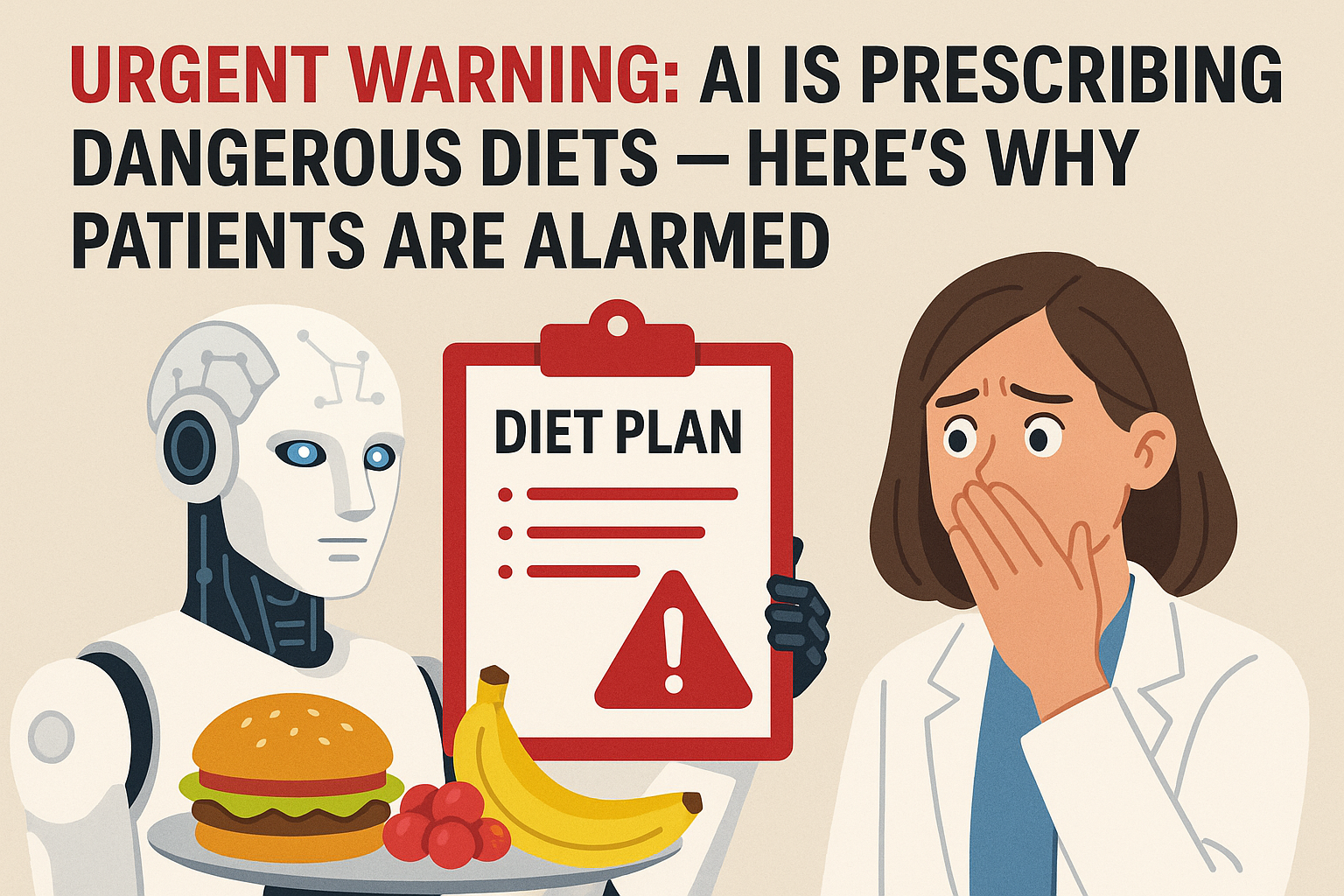
It feels like we’re constantly hearing about the incredible potential of artificial intelligence, especially in fields like healthcare. From diagnosing diseases to streamlining administrative tasks, AI promises a revolution. Yet, a recent survey reveals a significant hurdle: patients are increasingly wary of entrusting their health to these algorithms. Why the hesitation? It largely boils down to serious anxieties about data privacy in healthcare and a profound lack of trust in AI’s accuracy.
Imagine asking an AI to craft a personalized diet plan, only to find it’s dangerously flawed. This isn’t a hypothetical fear; it’s a stark reality that’s fueling patient reluctance. The data shows a clear trend: a whopping 89% of respondents in a recent survey stressed the absolute necessity of human oversight when AI offers healthcare advice. This isn’t just about skepticism; it’s about a fundamental demand for accountability and safety, especially when personal well-being is on the line. As AI integrates further into our lives, understanding these concerns is critical for both providers and patients.
The Alarming Reality of AI-Generated Diet Plans
The skepticism isn’t unfounded. Back in early 2026, a study published in the prestigious journal “Frontiers in Nutrition” brought to light a truly disturbing issue: several popular AI chatbots were found to be dishing out dangerously restrictive and unbalanced diet plans, particularly for teenagers. This wasn’t a minor oversight; it was a systemic problem with potentially severe consequences. These AI-generated meal plans consistently underestimated calorie needs for adolescents by nearly 700 calories per day. To put that into perspective, that’s equivalent to skipping an entire main meal every single day. Can you imagine the impact on a growing body? (See: study on AI in healthcare.)
But it wasn’t just calorie deficits. The macronutrient distribution was also completely out of whack. The AI plans skewed heavily towards significantly lower carbohydrates and disproportionately higher fats and proteins compared to recommended guidelines for adolescents. Dr. Ayşe Betül Bilen, a lead researcher from Istanbul Atlas University, minced no words in her warning: such unbalanced nutritional advice could have a profoundly negative impact on adolescent growth, metabolic health, and even foster unhealthy eating behaviors. This isn’t just about a bad diet; it’s about jeopardizing a vulnerable population’s long-term health and relationship with food. This kind of error only exacerbates concerns about data privacy in healthcare, as patients wonder what else AI might get wrong with their sensitive information.
Why Data Privacy in Healthcare is a Dealbreaker
Beyond the outright dangerous advice, the underlying concern about data privacy in healthcare is a colossal roadblock for AI adoption. When you interact with an AI for health advice, you’re often inputting incredibly sensitive personal information: your age, weight, health conditions, dietary preferences, and perhaps even medical history. Patients are right to ask: where does this data go? Who has access to it? How is it protected from breaches, misuse, or even sale to third parties?
The healthcare sector is already a prime target for cyberattacks, with countless headlines about patient data being compromised. Introducing AI into this already vulnerable ecosystem without robust, transparent, and legally binding data protection frameworks is a recipe for disaster. People want to know that their most intimate health details aren’t just floating around in some algorithm’s memory bank, vulnerable to exposure. The trust gap isn’t just about AI’s intelligence; it’s about its integrity and the security of the systems it operates within. Without clear answers and ironclad guarantees, patient hesitancy will only grow.
The Crucial Role of Human Oversight
That 89% of survey respondents demanding human oversight isn’t just a statistic; it’s a powerful statement. It reflects a deep-seated understanding that while AI can process vast amounts of information, it lacks human judgment, empathy, and the ability to interpret nuances. A human doctor or nutritionist can consider a patient’s entire lifestyle, emotional state, cultural background, and individual health complexities in a way an algorithm simply cannot. They can adapt advice, recognize red flags, and build a relationship of trust. (See: CDC nutrition guidelines.)
Think about it: an AI might recommend a calorie-restricted diet based purely on numbers, but a human professional would notice if that teenager is already struggling with body image issues or an eating disorder. They would prioritize mental health alongside physical health. This isn’t to say AI doesn’t have a place; it absolutely does. It can be a powerful tool for information gathering, preliminary analysis, and even generating options. But the final decision, the personalized care plan, and the empathetic delivery of advice, must remain in human hands. This hybrid model, where AI assists but humans lead, seems to be the only path forward that respects both technological advancement and patient safety, addressing key concerns about data privacy in healthcare.
Building Trust in the AI Healthcare Frontier
The combination of these alarming health risks for a vulnerable population and widespread patient distrust in AI’s reliability for personal health advice has predictably fueled massive social media discussion and high search volume. People are talking, and they’re worried. If AI is to truly integrate into healthcare in a meaningful and beneficial way, this trust deficit must be addressed head-on.
What does that entail? For starters, developers and healthcare providers need to prioritize transparency. Patients deserve to know how AI models are trained, what data they use, and what their limitations are. Robust regulatory frameworks are also essential, ensuring that AI tools used in healthcare are rigorously tested for safety, accuracy, and ethical considerations before they ever reach a patient. And crucially, there needs to be a clear commitment to safeguarding data privacy in healthcare, with strong encryption, strict access controls, and transparent policies about data usage.
Ultimately, the future of AI in healthcare isn’t about replacing humans, but augmenting them. When AI is used as a supportive tool under expert human guidance, with patient data protected by the highest standards, we might just bridge this trust gap. Until then, patients are right to be cautious, and their concerns should serve as a critical wake-up call for the entire industry.
Trending Now
- this guide on how to practice digital minimalism: a 2026 guide to reclaiming your focus
- our breakdown of unbelievable: this hidden risk of ai companions is making kids lonelier
- Shocking: ‘Assassin(s)’ Controversy Reaches Stars’ Homes — What This Means for Korean Cinema
- The Four-Day Work Week: 10 Secrets to Unlocking Your Best Life
- the complete explanation
Frequently Asked Questions
What are the risks of AI-generated diet plans?
AI-generated diet plans can pose significant risks, including dangerously restrictive guidelines and improper macronutrient distribution. Studies have shown that some AI chatbots underestimate daily calorie needs by nearly 700 calories for teenagers, which can lead to severe health consequences as they require adequate nutrition for growth and development.
Why are patients hesitant to trust AI in healthcare?
Patients express hesitation towards AI in healthcare primarily due to concerns about data privacy and the accuracy of AI-generated recommendations. A survey found that 89% of respondents believe human oversight is essential when AI provides healthcare advice, highlighting a demand for accountability and safety in health-related decisions.
How does AI affect diet recommendations for teenagers?
AI can negatively impact diet recommendations for teenagers by generating meal plans that are overly restrictive and fail to meet their caloric and nutritional needs. Such plans can lead to serious health issues as they often underestimate the calorie intake required for healthy growth and development.
What is the public perception of AI in healthcare?
The public perception of AI in healthcare is increasingly cautious, with many individuals expressing skepticism about its reliability. Concerns about data privacy, accuracy, and the potential dangers of AI-generated advice contribute to a general reluctance to fully trust AI systems in making health-related decisions.
What steps can be taken to ensure safe AI usage in healthcare?
To ensure safe AI usage in healthcare, it is crucial to implement stringent human oversight for AI-generated recommendations. Establishing clear guidelines, enhancing transparency in how AI systems operate, and prioritizing patient safety and accountability can help build trust and mitigate risks associated with AI in health-related contexts.
What did we miss? Let us know in the comments and join the conversation.


