

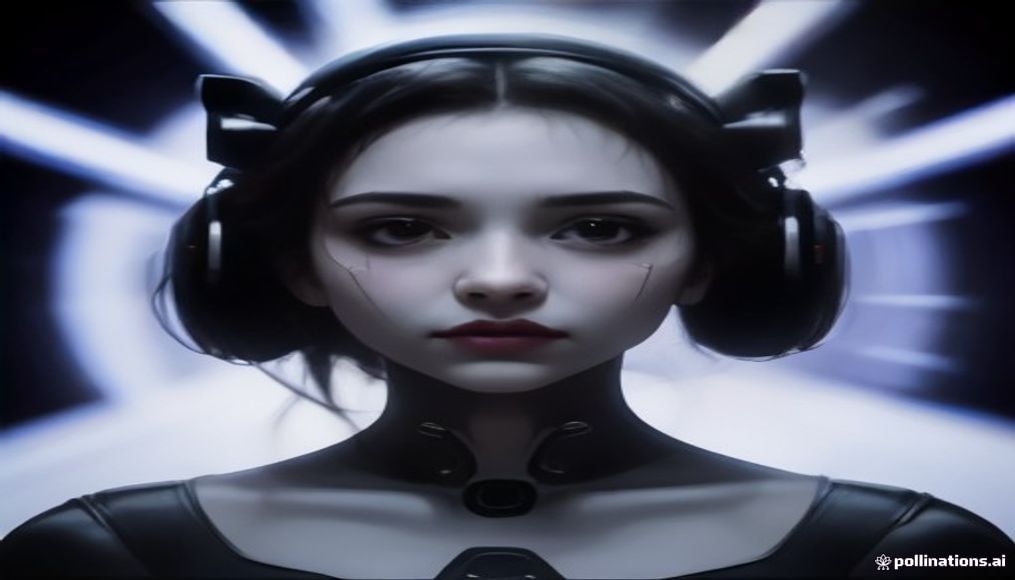
Remember when artificial intelligence felt like something strictly out of sci-fi movies, reserved for calculating supercomputers or sentient robots bent on world domination? Well, that future is here, and it’s not just in labs or factories; it’s quietly infiltrating your favorite movies, TV shows, music, and games. The rise of AI in entertainment isn’t just a buzzword; it’s a profound shift in how content is created, consumed, and even conceived. From helping craft compelling narratives to generating hyper-realistic visuals, AI is no longer a futuristic fantasy but a present-day reality that’s changing the very fabric of our leisure time.
It’s a fascinating, sometimes unsettling, development. You might already be interacting with AI-driven entertainment without even realizing it. Ever wonder how Netflix seems to know exactly what you want to watch next, often before you do? That’s AI at work, crunching your viewing habits to serve up personalized recommendations. But that’s just the tip of the iceberg. The implications for creative jobs, the quality of content, and your overall experience as an audience member are massive, sparking both excitement and significant concern among industry professionals and fans alike. So, how deep does this rabbit hole go?
Behind the Scenes: AI-Assisted Creation in Film and TV
The magic of Hollywood has always relied on human ingenuity, but now, AI is stepping in as an unlikely co-conspirator. In film and television production, AI is proving to be an invaluable, albeit controversial, tool. For example, consider scriptwriting. While no AI is yet penning the next Oscar-winning screenplay from scratch, AI algorithms can analyze vast databases of successful scripts to identify common patterns, character arcs, and plot structures. This means writers can use AI to generate ideas, refine dialogue, or even predict audience reception to different narrative choices. It’s like having an impossibly well-read assistant who’s seen every movie ever made and can offer statistically informed suggestions. (See: AI's impact on entertainment industry.)
Then there’s the visual spectacle. Special effects have always pushed boundaries, but AI is taking them to dizzying new heights. Tools powered by AI can automate tedious tasks like rotoscoping (isolating elements in footage) or even generate entire CGI environments and characters with unprecedented realism. Think about the digital de-aging of actors, which has become increasingly common in blockbusters like Martin Scorsese’s The Irishman. While human artists still guide the process, AI algorithms handle the minute details, making faces appear younger or even creating entirely synthetic actors for background roles. This capability raises intriguing questions about what it means to be a performer when a digital doppelgänger can be created and manipulated with relative ease. The potential for cost savings and creative freedom is immense, but so are the ethical dilemmas.
The Soundtrack of Tomorrow: AI in Music Production
Music, arguably one of the most personal and emotionally resonant art forms, is also feeling the digital touch of AI. Composers and producers are leveraging AI to assist in various stages of music creation. Imagine an AI that can analyze your existing musical style and generate new melodic phrases or harmonic progressions that fit seamlessly. This isn’t just about creating generic elevator music; sophisticated AI models can learn from diverse musical genres, from classical to hip-hop, and produce surprisingly original and compelling pieces.
Beyond composition, AI tools are also streamlining the mixing and mastering process, tasks that traditionally required years of expertise. AI can analyze audio tracks and suggest optimal equalization, compression, and reverb settings, helping artists achieve a polished sound more efficiently. While some might worry this diminishes the human touch, many musicians view it as an empowering tool, freeing them from technical minutiae to focus more on pure creative expression. It’s a collaboration, where the artist provides the soul, and AI provides the technical finesse, potentially democratizing music creation for a wider audience.
Gaming’s Next Level: AI in Interactive Entertainment
If there’s one sector where AI in entertainment truly shines, it’s gaming. AI has been an integral part of video games for decades, primarily powering non-player characters (NPCs) and enemy behaviors. But modern AI is far more sophisticated, creating dynamic and responsive game worlds that feel incredibly alive. AI algorithms are now capable of generating vast, intricate game levels procedurally, meaning every playthrough can offer a unique experience. This can extend to crafting dynamic narratives, where the story adapts in real-time based on your choices and actions, leading to genuinely personalized adventures. (See: AI in creative industries research.)
Furthermore, AI is revolutionizing how we interact with games. Adaptive difficulty systems, for instance, use AI to adjust challenges based on your skill level, ensuring you’re always engaged but rarely frustrated. And with the advent of advanced natural language processing, we’re seeing NPCs that can engage in more believable, unscripted conversations, blurring the lines between virtual and reality. This isn’t just about making games harder or easier; it’s about creating deeper, more immersive experiences that react intelligently to every player, making each journey truly personal.
The Future is Now: Opportunities and Ethical Hurdles
The rapid advancement of AI in entertainment presents a dual-edged sword. On one side, the opportunities are immense: unprecedented creative possibilities, personalized experiences for audiences, and potentially more efficient production pipelines. Imagine films tailored precisely to your emotional state, or music that evolves with your mood. This level of customization could redefine what entertainment means. (See: How AI is reshaping film and TV.)
However, the ethical and economic implications are significant. Will AI replace human artists, writers, and musicians? The fear of job displacement is palpable across creative industries. If AI can generate compelling content, what happens to the human creators who once held those roles? There are also questions of originality and intellectual property. Who owns the copyright to a song composed by an AI? And what about the potential for AI to create deepfakes or manipulate public perception through hyper-realistic, AI-generated media? These are not hypothetical questions for some distant future; they are challenges we’re confronting right now. Navigating these waters will require careful consideration, robust ethical frameworks, and an ongoing dialogue between technologists, artists, and policymakers to ensure that as AI reshapes entertainment, it serves humanity, rather than diminishing it.
Ultimately, the story of AI in entertainment is still being written, and we are all, in a way, characters in it. It’s a wild, exciting ride that promises to change how we tell stories, hear music, and play games forever. What will you choose to watch, listen to, or play next, knowing a touch of AI might be behind the magic?
Trending Now
- The Unseen Shift: How Quiet Luxury…
- this guide on shocking truth: why your streaming bill will explode by 2026!
- our breakdown of why millions are embracing slow living right now: your essential 2026 guide
- read the full story
- our breakdown of 9 unexpected shoulder season travel destinations that will change your fall
Frequently Asked Questions
How is AI used in the entertainment industry?
AI is increasingly being utilized in the entertainment industry for various purposes, including scriptwriting, generating visual effects, and personalizing content recommendations. It analyzes vast datasets to help creators develop compelling narratives and predict audience preferences, making it a powerful tool in both film and television production.
What impact does AI have on movie and TV show production?
AI is reshaping movie and TV show production by assisting in script development, enhancing visual effects, and streamlining editing processes. It enables creators to analyze trends and audience reactions, which can lead to more engaging content while also raising concerns about the implications for creative jobs in the industry.
Can AI create scripts for movies and TV shows?
While AI cannot create an entire Oscar-winning script independently, it can assist writers by analyzing successful scripts to identify patterns and suggest ideas. This technology helps refine dialogue and predict audience reactions, thus acting as a collaborative tool rather than a replacement for human creativity.
How does AI personalize content recommendations?
AI personalizes content recommendations by analyzing user viewing habits and preferences. Platforms like Netflix use algorithms to process this data, allowing them to suggest movies and TV shows that align with individual tastes, often anticipating what viewers will enjoy before they even realize it.
What are the concerns about AI in entertainment?
Concerns about AI in entertainment include its potential impact on creative jobs, the quality of content produced, and ethical considerations surrounding content creation. Industry professionals and fans express apprehension about relying on algorithms for storytelling, fearing it may diminish the human touch that makes art truly resonate.
What's your take on this? Share your thoughts in the comments below — we read every one.


