

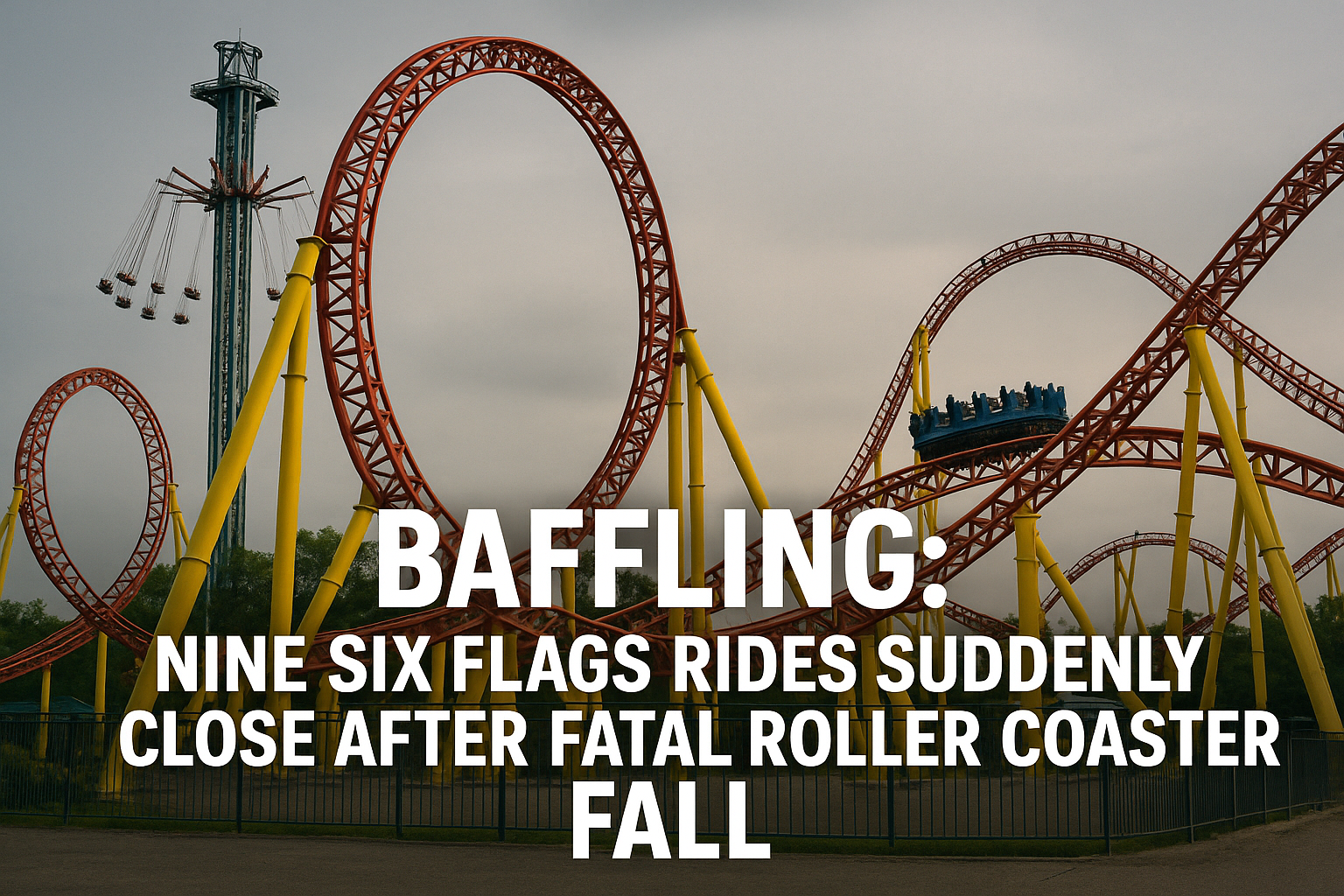
A day at Six Flags, typically synonymous with thrilling screams and family fun, took a horrifying turn recently when a tragic incident at Six Flags Over Georgia led to a nationwide ripple effect of Six Flags ride closures. On Monday, October 12, 2026, 42-year-old Hassan Jihad Ibn Kariem of Atlanta lost his life after being ejected from the Goliath roller coaster. It’s a truly chilling event that has naturally raised urgent questions about amusement park safety and the integrity of some of our favorite rides.
Witnesses at the scene painted a grim picture: Kariem was reportedly thrown from his seat on the hypercoaster, a behemoth that boasts speeds up to 70 mph and dizzying heights of 200 feet. The immediate aftermath saw him striking other passengers before tragically falling beneath the ride. While several juvenile riders sustained non-life-threatening injuries, the incident was undeniably traumatic for everyone involved, casting a dark shadow over what should have been a joyful experience. In the wake of this devastating event, Six Flags moved quickly, initiating a series of temporary Six Flags ride closures across its parks, all “out of an abundance of caution.”
The Immediate Fallout: Nine Rides Temporarily Closed
In a direct response to the tragedy on the Goliath, Six Flags has temporarily shut down nine similar roller coasters across six of its parks. This isn’t a small gesture; it speaks to the seriousness of the investigation currently underway by Cobb County Police and state officials. When a major park operator takes such widespread action, it signals that they’re not just looking at a localized issue, but potentially a systemic concern that needs immediate attention. (See: roller coaster safety guidelines.)
The decision to halt operations on these specific rides highlights a proactive, albeit reactive, approach to ensuring guest safety. It shows a company grappling with a critical incident and attempting to prevent any further potential harm while the root cause is determined. For park-goers, these Six Flags ride closures mean a temporary disruption to their plans, but for many, it’s a small price to pay for the peace of mind that comes with a thorough safety review. It’s a stark reminder that behind the thrilling drops and inversions, there’s complex machinery and an absolute need for vigilance.
Goliath’s Design and Hypercoaster Safety
The Goliath roller coaster, from which Mr. Kariem fell, is a hypercoaster – a class of roller coaster known for its immense height, speed, and airtime hills designed to lift riders out of their seats. These rides typically rely on lap bars and sometimes seat belts as primary restraints, aiming to create that exhilarating feeling of weightlessness while still securing passengers. The question on everyone’s mind now is: what went wrong with the restraints on this particular Goliath ride?
Hypercoasters, like the Goliath, are engineered to push the limits of thrill. They are meticulously designed and tested, undergoing rigorous inspections. Yet, even with all these precautions, incidents can occur. Investigators will be examining everything from the ride’s maintenance logs and inspection records to the specific restraint system on Mr. Kariem’s seat. They’ll also be reviewing witness statements and any available surveillance footage to reconstruct the events leading up to the fall. This is a painstaking process, but it’s crucial for understanding if this was an isolated mechanical failure, a procedural oversight, or something else entirely. (See: New York Times coverage on ride closures.)
A Troubling Precedent: Recent Scrutiny on Six Flags
This isn’t the first time Six Flags has found itself under the microscope regarding ride safety recently. Just two weeks prior to the Goliath incident, Six Flags Magic Mountain permanently closed its X2 roller coaster. That closure came amidst a flurry of multiple lawsuits alleging serious brain injuries sustained by riders on the X2. Think about that for a moment: two major, high-profile incidents involving serious injury or death, and significant Six Flags ride closures, all within a very short timeframe.
This pattern intensifies public scrutiny on amusement park safety across the board, not just for Six Flags. It makes you wonder about the bigger picture: are these isolated incidents, or do they point to broader issues within the industry regarding aging infrastructure, maintenance protocols, or perhaps even design flaws? The X2’s permanent closure, coupled with the current temporary Six Flags ride closures, suggests that the amusement park industry is facing a critical juncture in how it ensures the safety and trust of its patrons. It’s a conversation that needs to happen openly and thoroughly, for the sake of every thrill-seeker who steps foot into a park.
What Happens Next for Six Flags and Park-Goers?
The immediate future will see the investigations continue into the Goliath incident. This means the nine affected rides will remain closed until authorities and Six Flags are confident in their safety. This could take weeks, or even longer, depending on the complexity of the findings. For park-goers planning visits, it’s always wise to check the specific park’s website for real-time updates on ride availability, especially concerning these high-profile Six Flags ride closures. (See: injury prevention resources.)
Beyond the current investigations, this event will undoubtedly lead to a deeper examination of safety protocols across the entire Six Flags chain, and likely the broader amusement park industry. It’s a somber reminder that while these parks offer incredible entertainment, the safety of every single guest must remain the absolute top priority. We all hope that the findings from this investigation will lead to concrete actions that prevent such a tragedy from ever happening again.
Trending Now
Frequently Asked Questions
What happened at Six Flags Over Georgia?
A tragic incident occurred on October 12, 2026, when 42-year-old Hassan Jihad Ibn Kariem was ejected from the Goliath roller coaster, leading to his death. The event raised serious concerns about amusement park safety and prompted immediate action from Six Flags.
Why did Six Flags close rides after the incident?
In response to the fatal accident on the Goliath roller coaster, Six Flags temporarily closed nine similar rides across its parks. This decision was made out of caution while investigations by authorities are ongoing, highlighting the park's commitment to guest safety.
What are the safety concerns related to roller coasters?
The incident at Six Flags has sparked urgent discussions about roller coaster safety. Concerns include ride integrity, proper safety measures, and the effectiveness of restraints, especially after a rider was ejected at high speeds, raising questions about systemic safety protocols.
Were there any injuries reported during the Six Flags incident?
Yes, several juvenile riders sustained non-life-threatening injuries during the incident involving the Goliath roller coaster. Witnesses reported a traumatic scene, emphasizing the emotional impact on those present at the park.
How is Six Flags handling the investigation?
Six Flags is cooperating with Cobb County Police and state officials in the ongoing investigation. Their proactive approach includes closing several rides to ensure safety while they assess the situation and prevent further incidents.
What's your take on this? Share your thoughts in the comments below — we read every one.


