

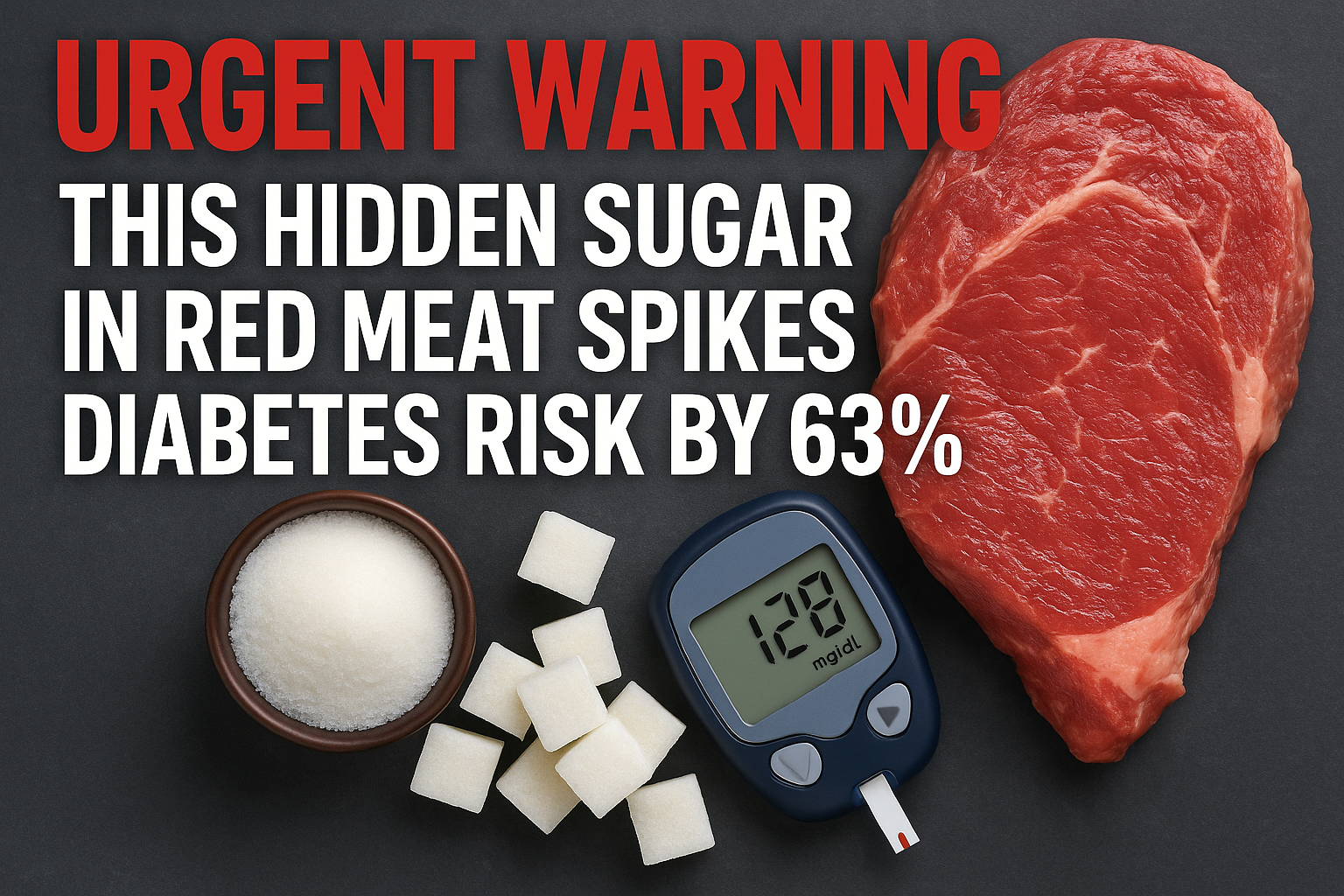
For years, we’ve heard that eating too much red meat might not be the best for our health, especially concerning things like heart disease and certain cancers. But a groundbreaking study, presented at the Annual Meeting of The European Association for the Study of Diabetes (EASD) in Milan, Italy, has just dropped a bombshell that might make you think twice about that next steak. It’s not just the fat or the processing; scientists are now pointing to a specific, naturally occurring sugar in red meat that could dramatically increase your red meat diabetes risk.
This isn’t just another small-scale observation. We’re talking about research involving nearly 90,000 adults, and the findings are pretty stark: a 63% higher risk of developing type 2 diabetes for those with the highest intake of this particular sugar. If that number doesn’t grab your attention, what will? It forces us to reconsider the mechanisms linking red meat consumption to chronic diseases, moving beyond just weight gain and saturated fat.
The Culprit: Neu5Gc and Your Red Meat Diabetes Risk
So, what exactly is this mysterious sugar? It’s called N-glycolylneuraminic acid, or Neu5Gc for short. While it might sound like something out of a chemistry textbook, it’s a sugar molecule found abundantly in red meats like beef and lamb. What’s fascinating — and a little concerning — is that humans don’t naturally produce Neu5Gc. We absorb it from our diet, and our bodies often react to it as a foreign invader. (See: Neu5Gc and its health implications.)
This study specifically honed in on individuals who consumed the most Neu5Gc and compared their diabetes incidence to those who ate the least. The difference was significant: a 63% elevated risk for the high-Neu5Gc group. This isn’t a small bump; it’s a substantial increase that warrants serious attention for anyone concerned about their red meat diabetes risk. It suggests that merely cutting down on processed meats might not be enough; even lean cuts of beef and lamb contain this sugar.
Beyond Weight Gain: The Inflammation Connection
We’ve long understood that a diet high in red meat can contribute to weight gain, and obesity is a well-established risk factor for type 2 diabetes. But what makes these new findings so compelling is the hypothesis that Neu5Gc may trigger chronic inflammation. Think about it: if your body sees Neu5Gc as foreign, it could mount an immune response, leading to low-grade, persistent inflammation. This kind of chronic inflammation is a known player in the development of insulin resistance, a precursor to type 2 diabetes. (See: Understanding diabetes risk factors.)
What’s particularly powerful about this research is that the association between Neu5Gc and increased red meat diabetes risk held strong even after scientists accounted for other known risk factors. They looked at physical activity levels, overall dietary patterns, and other health metrics. This means the Neu5Gc connection isn’t just a byproduct of an unhealthy lifestyle; it appears to be an independent factor contributing to diabetes development. This really changes the conversation, doesn’t it?
Rethinking Dietary Advice and Public Health
These findings, published on October 18, 2026, could genuinely reshape how we approach dietary recommendations. For decades, advice has focused on limiting saturated fat and processed meats. While that advice still holds merit, this new understanding of Neu5Gc adds another layer of complexity. It’s not just about the fat content or the nitrates; it’s about a specific sugar molecule that our bodies may not tolerate well.
Imagine the implications for public health campaigns. Instead of broad warnings about ‘red meat,’ we might start seeing more specific guidance about limiting Neu5Gc intake. For individuals, this could mean making more informed choices at the grocery store or when dining out. Does this mean you need to give up red meat entirely? Not necessarily, but it certainly suggests that moderation, and perhaps a closer look at your overall consumption, is more important than ever if you’re concerned about your red meat diabetes risk. (See: Research on red meat and chronic diseases.)
This research is generating significant buzz, and for good reason. It provides a novel, biological mechanism that helps explain a long-observed epidemiological link. It’s a powerful reminder that our understanding of diet and disease is constantly evolving, and sometimes, the answers lie in unexpected places, like a tiny sugar molecule in our favorite cuts of beef and lamb.
Trending Now
- this guide on 7 radical shifts slow productivity will bring to your 2026 workday
- Is ‘AI-Poly’ the Future of Romance?…
- our breakdown of dramatic: this ‘strictly’ star’s suspension just sent a chilling message to the entire industry
- read the full story
- the complete explanation
Frequently Asked Questions
Does red meat increase the risk of diabetes?
Yes, a recent study found that consuming red meat, particularly due to a sugar called Neu5Gc, can increase the risk of developing type 2 diabetes by 63%. This suggests that the health risks associated with red meat go beyond just fat content.
What is Neu5Gc and how does it affect health?
Neu5Gc, or N-glycolylneuraminic acid, is a sugar molecule found in red meats like beef and lamb. Humans do not produce it naturally, and its presence in the body can trigger an immune response, potentially leading to increased health risks, including a higher likelihood of type 2 diabetes.
How much red meat is considered safe to eat?
The study suggests that even lean cuts of red meat may not be safe due to the presence of Neu5Gc. While specific recommendations can vary, it is advisable to limit red meat intake and consider alternatives to reduce diabetes risk.
What are the health implications of eating red meat?
Eating red meat has been linked to various health issues, including heart disease and certain cancers. The latest research highlights an additional concern: a significant increase in type 2 diabetes risk associated with the sugar Neu5Gc found in these meats.
Can cutting down on processed meats reduce diabetes risk?
While reducing processed meats is beneficial, this study indicates that even unprocessed red meats can pose a risk due to Neu5Gc. Therefore, it may be necessary to reevaluate overall red meat consumption to mitigate diabetes risk.
Agree or disagree? Drop a comment and tell us what you think.


