

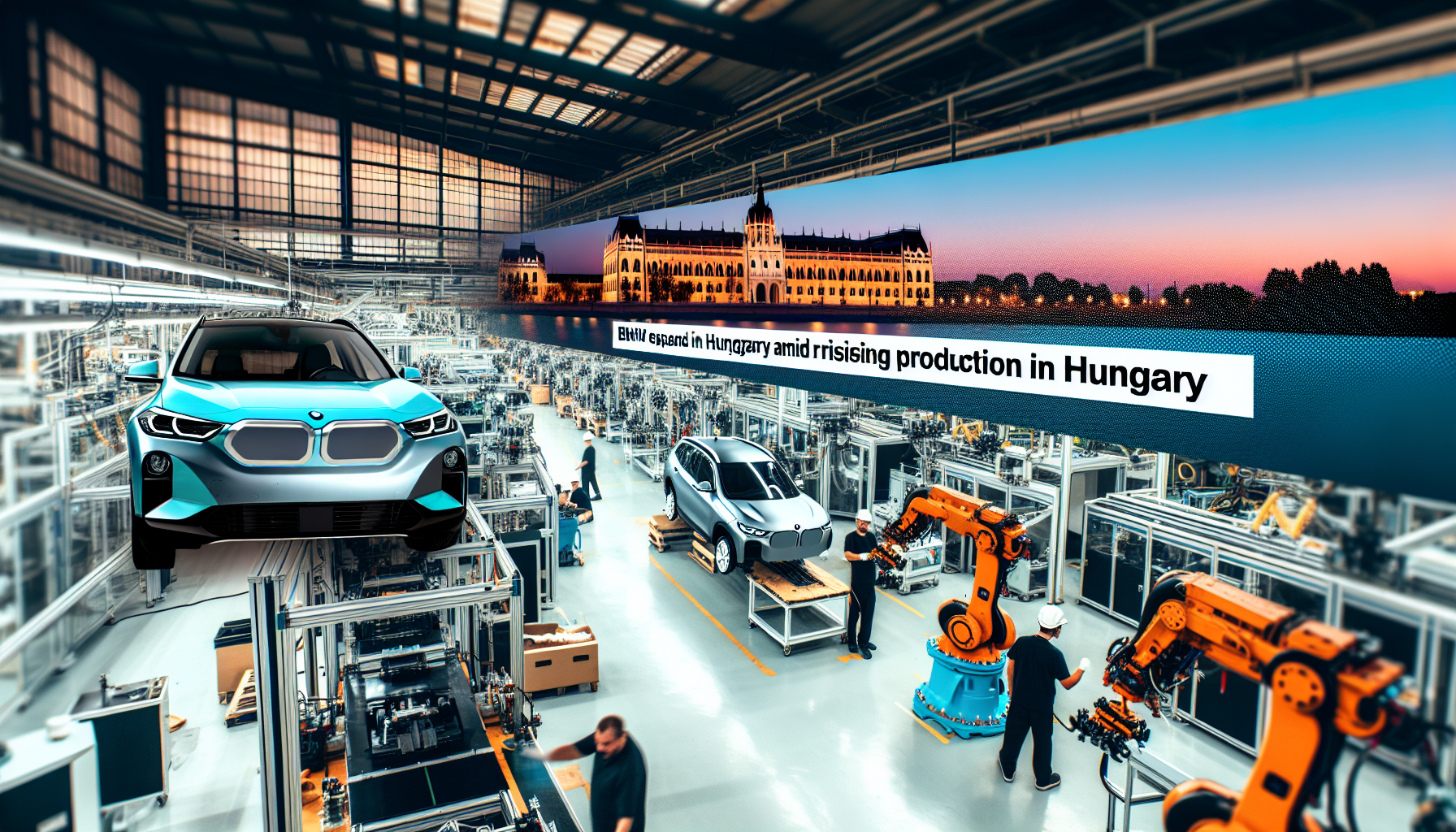
As the automotive industry continues to shift towards sustainable mobility, BMW is making significant strides in the electric vehicle (EV) sector. In response to soaring global demand, the German automaker has announced plans to ramp up production of its iX3 electric SUV at its Debrecen plant in Hungary. This decision underscores the growing popularity of electric vehicles in Europe and highlights BMW’s commitment to meeting consumer needs amid evolving market dynamics.
Strengthening Production Capacity
The Debrecen facility, which is central to BMW’s strategy in the electric vehicle market, will see increased production efforts to supply the iX3, the brand’s first fully electric SUV. Although BMW has not disclosed specific volume figures, the decision to enhance production capacity reflects a robust demand for EVs in the European market.
Strategic Operations in Hungary and Germany
BMW’s production ramp-up is not limited to Hungary alone; the company is also coordinating efforts with its operations in Germany. This dual approach aims to streamline the manufacturing process and ensure that the supply chain can efficiently meet the increasing number of orders. The collaborative effort is indicative of BMW’s strategy to optimize its resources and capabilities across different facilities to address market demands.
The Electric Vehicle Market Landscape
The decision to boost iX3 production comes at a time when the electric vehicle market is experiencing unprecedented growth. In Europe, the demand for electric SUVs has surged, fueled by changing consumer preferences and increasing environmental awareness. Governments across the continent are also pushing for greener transportation options, implementing policies that encourage the adoption of electric vehicles, including incentives and stricter emissions regulations.
Supply Chain Challenges
Despite the enthusiasm surrounding EV production, the industry has faced significant supply chain challenges, particularly in sourcing critical components such as batteries. These challenges have impacted production timelines and the ability of manufacturers to meet consumer demand. However, BMW’s proactive approach to increasing production capacity at the Debrecen plant indicates a commitment to overcoming these obstacles.
The iX3: A Step Towards Sustainability
The BMW iX3 represents a pivotal step for the automaker in its efforts to transition towards more sustainable mobility solutions. As the first all-electric SUV in BMW’s lineup, the iX3 combines the brand’s signature performance and luxury with zero-emission driving capabilities. The vehicle is designed to appeal to environmentally conscious consumers without compromising on the quality and features expected from a BMW.
Key Features of the BMW iX3
- Electric Performance: The iX3 is equipped with a powerful electric motor that delivers instantaneous torque and a thrilling driving experience.
- Range: With a competitive range on a single charge, the iX3 is designed to meet the needs of everyday drivers, while also making long-distance travel feasible.
- Luxury Interior: True to BMW’s reputation, the iX3 features a high-quality interior with cutting-edge technology and comfort.
- Advanced Safety Features: The vehicle is equipped with the latest safety technologies, ensuring peace of mind for drivers and passengers alike.
Looking Ahead
As BMW ramps up production of the iX3, the company is positioning itself to capitalize on the growing demand for electric vehicles in Europe and beyond. The increased output from the Debrecen plant, coupled with the operational enhancements in Germany, signifies a strategic move to strengthen BMW’s presence in the competitive EV market.
Furthermore, this expansion is part of a larger trend within the automotive industry, where established manufacturers are investing heavily in electric vehicle technology and production capabilities. As consumers continue to prioritize sustainability in their purchasing decisions, companies like BMW are adapting to meet these expectations.
Conclusion
In conclusion, BMW’s decision to ramp up production of the iX3 at its Debrecen plant highlights the automaker’s responsiveness to market demands and its commitment to sustainable mobility. As the electric vehicle landscape continues to evolve, BMW is poised to remain a key player, offering innovative products that appeal to an increasingly eco-conscious consumer base. The future of automotive transport may be electric, and BMW is ready to lead the charge. BMW i4 M50 review offers useful background here.


