

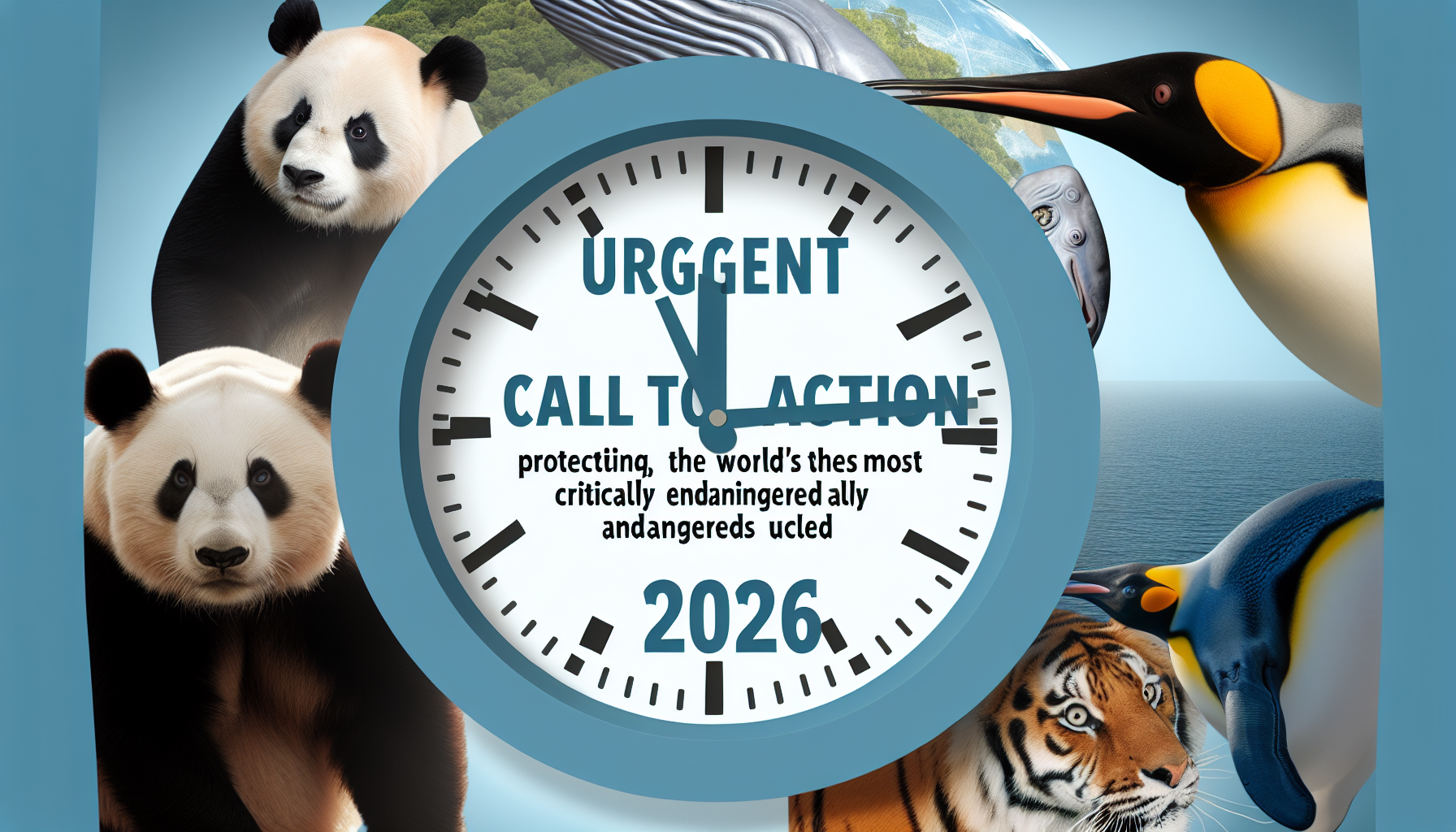
The planet is facing an alarming biodiversity crisis, with the International Union for Conservation of Nature (IUCN) reporting that more than 44,000 species are currently at risk of extinction. Among these, ten species stand out as critically endangered, facing imminent threats from deforestation, poaching, and climate change. As we approach 2026, urgent action is needed to protect these remarkable creatures and their habitats.
The Threat of Deforestation
Deforestation is one of the most pressing issues endangering wildlife. Every year, approximately 10 million hectares of forest are lost, primarily in tropical regions where biodiversity is richest. This destruction not only eliminates the natural habitats of countless species but also contributes to climate change by releasing stored carbon.
Impact on Wildlife
Many critically endangered animals rely on specific habitats that are rapidly disappearing. For instance, the Sumatran orangutan is losing its home due to palm oil plantations, while the Javan rhino is confined to a single national park, making it especially vulnerable to habitat loss.
Poaching: A Multibillion-Dollar Crisis
Poaching remains a significant threat to wildlife, generating billions of dollars for illegal syndicates. The demand for animal products such as horns, tusks, and skins leads to the slaughter of many species. For example, the African elephant is targeted for its ivory tusks, while the rhino faces threats from poachers seeking its horn, believed to have medicinal properties in some cultures.
Species at Risk
Here are some of the critically endangered species that are facing severe threats:
- Sumatran orangutan – Habitat loss due to deforestation.
- Javan rhino – Limited to a single national park.
- African elephant – Targeted for ivory poaching.
- Amur leopard – Habitat fragmentation and poaching.
- Sunda pangolin – Highly trafficked for its scales.
- Vaquita – Endangered by illegal fishing practices.
- Mountain gorilla – Threatened by habitat loss and poaching.
- Saola – Known as the “Asian unicorn,” it is elusive and rarely seen.
- Asian elephant – Faces habitat loss and human-wildlife conflict.
- Hawksbill sea turtle – Threatened by illegal trade in its shells.
Climate Change: A Growing Threat
As climate change intensifies, species are facing new challenges. Shifts in temperature and weather patterns result in droughts, floods, and other extremes that disrupt habitats and food sources. For example, rising sea levels threaten the Hawksbill sea turtle by eroding nesting sites, while changes in precipitation patterns can affect the migration and breeding patterns of many terrestrial animals.
Restoration Efforts
To combat these threats, it is crucial to implement effective conservation strategies. Some of the recommended actions include:
- Reforestation: Planting native trees to restore habitats and create wildlife corridors.
- Community Engagement: Involving local communities in conservation efforts to promote sustainable practices.
- Stricter Anti-Poaching Laws: Strengthening laws and enforcement to deter illegal hunting and trafficking.
- Education and Awareness: Raising awareness about the importance of biodiversity and the specific needs of endangered species.
Conclusion: A Collective Responsibility
The fight against extinction requires a concerted effort from governments, organizations, and individuals. As we look to 2026, we must prioritize the protection of our planet’s most vulnerable inhabitants. Every action counts, whether it’s supporting wildlife conservation organizations, advocating for sustainable practices, or simply spreading the word about the plight of critically endangered species.
Time is running out for many of these animals. By coming together to safeguard their future, we can help ensure that they continue to thrive in their natural habitats for generations to come.


