

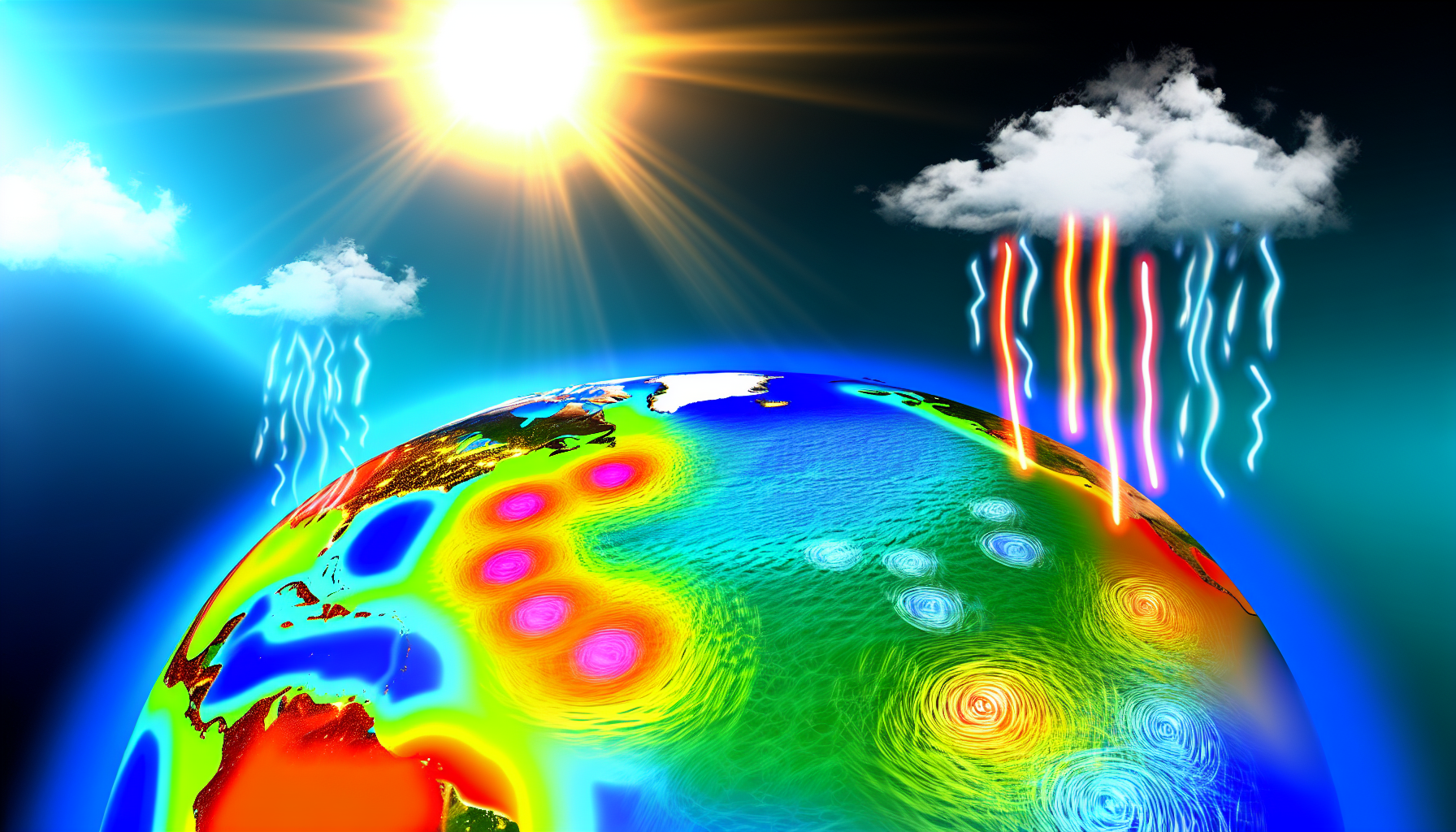
The Atlantic Ocean is undergoing a mysterious transformation as unidentified factors are contributing to a significant increase in water temperatures. This unsettling trend is not only intensifying global warming signals but is also responsible for the relentless heatwaves that have been wreaking havoc on marine ecosystems and biodiversity.
The Rising Tide of Temperature
Recent investigations into the Atlantic reveal that heatwaves are becoming more frequent and severe, impacting marine life and habitats. The phenomenon is indicative of a broader climate crisis that has far-reaching implications for both the environment and human societies. While the specific temperature increases in the Atlantic remain unquantified, the effects are profoundly evident.
Impact on Marine Life
Marine biologists are sounding the alarm about the severe consequences of rising ocean temperatures. The relentless heatwaves are disrupting vital ecosystems, leading to alarming shifts in species distribution and overall biodiversity. Fish populations, coral reefs, and other marine organisms are under increasing stress as they struggle to adapt to rapidly changing conditions.
- Coral Reefs: Coral bleaching events are becoming more frequent, as increased sea temperatures cause stress to these sensitive ecosystems.
- Fish Populations: Species that cannot adapt to the current conditions are facing population declines, which could disrupt fishing industries and local economies.
- Plankton: The base of the marine food web is also affected, leading to cascading impacts throughout the ecosystem.
The Broader Implications of a Warming Atlantic
The implications of this warming trend extend beyond marine life. A warmer Atlantic can influence weather patterns, leading to more intense storms, altered rainfall patterns, and increased flooding in coastal areas. These changes not only threaten marine ecosystems but also pose risks to human health, agriculture, and infrastructure. For more on this, see health risks of climate change.
Climate Change Exacerbation
This unidentified factor heating the Atlantic is exacerbating the overall effects of climate change. The ocean plays a critical role in regulating the Earth’s climate by absorbing carbon dioxide and heat. However, as temperatures rise, the ocean’s ability to mitigate climate change is compromised, leading to a feedback loop that could accelerate global warming.
Urgent Need for Research
Given the alarming trends, there is an urgent need for comprehensive research to understand the underpinnings of this phenomenon. Scientists are calling for increased funding and resources to study the specific factors contributing to the Atlantic’s temperature rise. Understanding the mechanisms at play is crucial for developing effective strategies to mitigate the impacts on marine ecosystems and address the broader climate crisis.
Areas of Focus for Future Research
- Identifying Factors: Determining the specific factors causing the temperature increases is essential for targeted interventions.
- Impact Studies: Conducting studies to quantify the effects on various marine species and ecosystems will help in understanding the full scope of the problem.
- Climate Models: Improving climate models to incorporate these findings will enhance predictive capabilities regarding future climate scenarios.
Community and Global Action
Addressing the challenges posed by the warming Atlantic requires a concerted effort from communities, governments, and international organizations. Local actions can include: Related reading: impact of climate on kidney health.
- Conservation Efforts: Protecting marine habitats and creating marine protected areas can help bolster resilience against climate impacts.
- Reducing Carbon Footprint: Individuals and communities should strive to minimize their carbon emissions to slow down global warming.
- Education and Advocacy: Raising awareness about the importance of healthy oceans and the impacts of climate change is crucial for mobilizing action.
On a global scale, international cooperation is vital. Countries must work together to implement policies aimed at reducing greenhouse gas emissions and enhancing the resilience of marine ecosystems. Climate agreements must prioritize ocean health as a critical component of the broader climate agenda.
Conclusion
The unsettling rise in Atlantic Ocean temperatures poses a significant threat to marine biodiversity and global climate stability. Unidentified factors driving this trend highlight the complexity of climate change and the urgent need for further research. As scientists work to unravel the mysteries of the warming Atlantic, the time for action is now. Protecting our oceans is not just an environmental issue; it’s a necessity for the survival of countless species, including humans. Together, we can forge a path toward a more sustainable future for our planet.


