

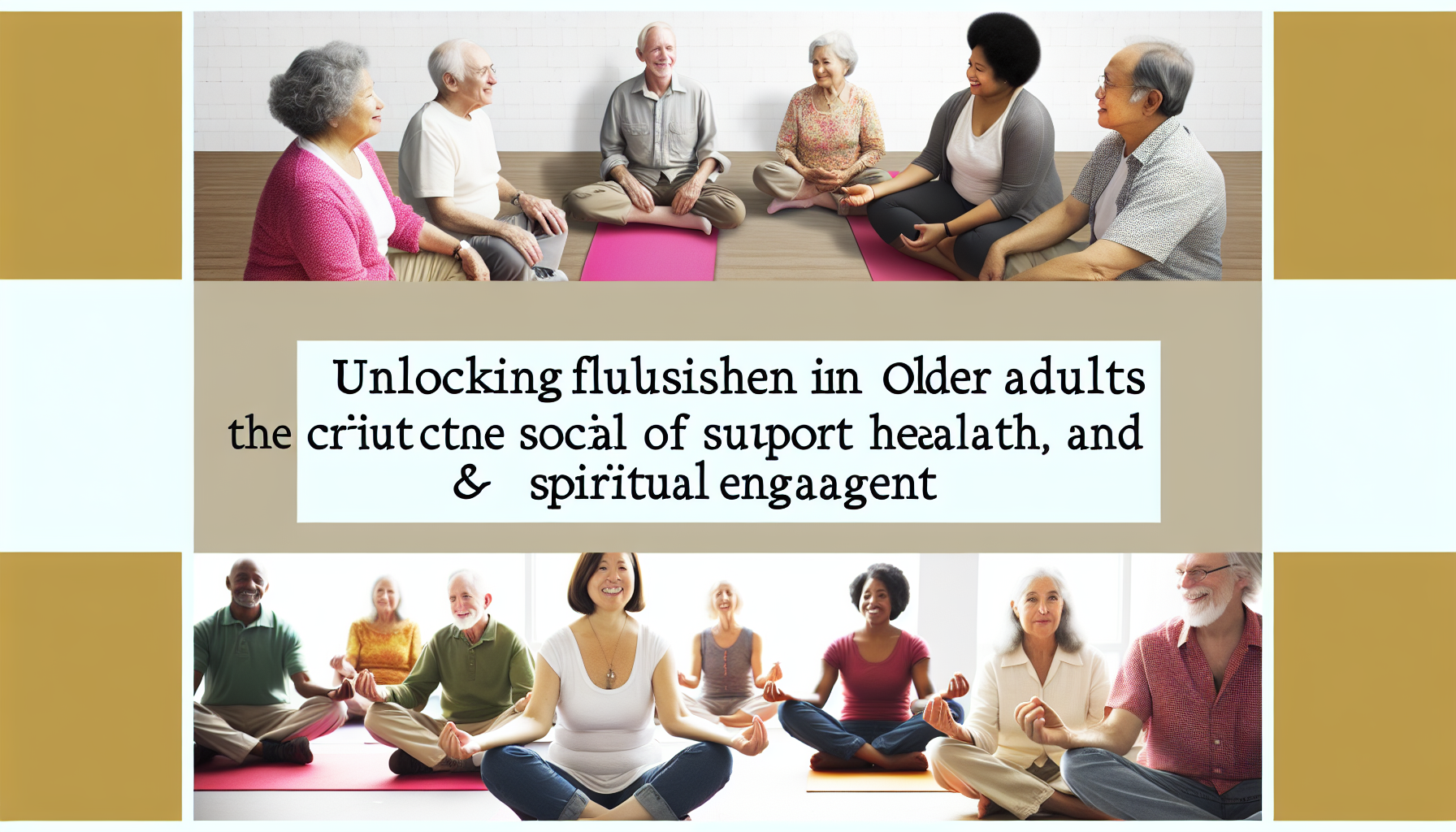
The journey of aging presents unique challenges, yet it also offers opportunities for growth and fulfillment. A recent study conducted by Statistics Canada shines a light on the factors that enable older adults to truly flourish. The research, which surveyed 2,024 Canadians aged 65 and older, reveals that social support, physical health, and spiritual engagement are essential components of complete mental health (CMH). This concept of CMH is defined as the absence of psychiatric disorders coupled with high levels of emotional, psychological, and social well-being.
The Study: Key Findings
The findings from the 2022 Mental Health and Access to Care Survey indicate that older adults who experience strong social support are significantly more likely to achieve CMH. In fact, the odds of attaining this state more than doubled for individuals who reported having robust social connections.
In addition to social support, several other factors were identified as contributors to CMH: This builds on strategies for student resilience.
- Marital Status: Being married or in a common-law relationship greatly enhances the likelihood of achieving CMH.
- Physical Health: Those who rated their health as fair or better were more likely to experience positive mental health outcomes.
- Chronic Pain: The absence of chronic pain and sleep issues was linked to higher CMH.
- Activity Limitations: Individuals without activity limitations were also more inclined towards flourishing mental health.
The Importance of Social Support
Shannon Halls, a co-author of the study and a researcher from the University of Toronto, emphasizes the role of social relationships in fostering resilience and purpose among older adults. She notes that these relationships are not just beneficial but essential for mental well-being. Strong social support systems can provide emotional comfort, practical assistance, and a sense of belonging, all of which are vital as individuals navigate the complexities of aging.
Halls points out that the factors contributing to social support are modifiable. This suggests that interventions can be designed to enhance social connections among older adults, potentially leading to improved mental health outcomes. Community engagement programs, social clubs, and group activities can serve as platforms for building and strengthening these essential relationships.
Physical Health as a Foundation
Physical health emerged as a crucial pillar of CMH in the study findings. Older adults who assess their health positively are more likely to report higher levels of emotional and psychological well-being. This highlights the interconnectedness of physical and mental health, suggesting that initiatives aimed at improving physical health can also have a significant impact on mental well-being.
Moreover, chronic pain and sleep disturbances can severely affect an individual’s quality of life and mental health. Effective pain management strategies and addressing sleep issues through proper medical care can pave the way for better mental health outcomes. Health care providers are encouraged to adopt a holistic approach to treat both physical ailments and their psychological repercussions.
Spiritual Engagement: A Pathway to Flourishment
Spiritual engagement, although not explicitly detailed in the survey, is often regarded as a vital component of well-being for many older adults. Whether through religious practices, meditation, or personal reflection, spiritual engagement can provide a sense of purpose, community, and inner peace. This aspect of mental health is particularly significant as it often helps individuals find meaning in their experiences, especially during challenging times.
Creating a Supportive Environment
To foster an environment where older adults can truly flourish, a multifaceted approach is essential. Here are some recommendations based on the study’s findings:
- Enhance Social Programming: Develop community programs that encourage social interaction among older adults, such as book clubs, exercise groups, or art classes.
- Promote Health Awareness: Provide resources and information on managing chronic pain and improving sleep, ensuring that older adults have access to the care they need.
- Encourage Spiritual Activities: Offer opportunities for spiritual engagement through workshops, meditation sessions, or group discussions on meaningful topics.
- Support Family Involvement: Encourage families to play an active role in the social lives of older adults, fostering connections that can help combat loneliness.
Conclusion
The findings from the Statistics Canada study underscore the importance of a holistic approach in promoting mental health among older adults. By recognizing the critical roles of social support, physical health, and spiritual engagement, communities can implement targeted interventions that significantly enhance the quality of life for their aging populations. As we continue to understand the complexities of aging, it is imperative to prioritize the mental well-being of older adults, fostering environments where they can truly flourish. For more on this, see community resilience during crises.


