

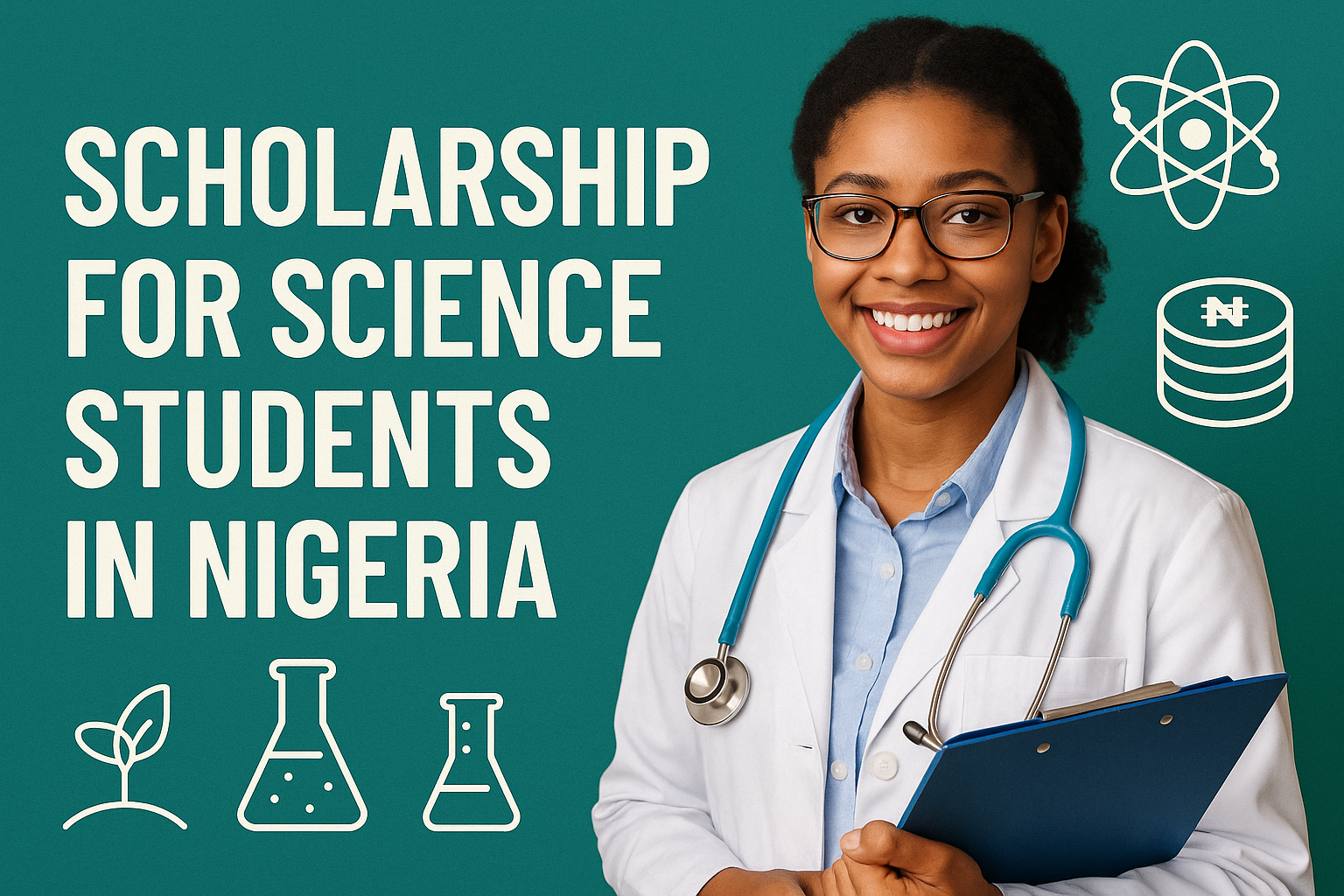
Nigeria is home to a burgeoning population of aspiring scientists and innovators, but the financial barriers to education remain a significant hurdle. As education costs continue to rise, scholarships for science students in Nigeria have become a lifeline for many who dream of contributing to science and technology. This article delves into the various scholarships available, the application process, and why they are crucial for the future of Nigeria’s scientific landscape.
The Landscape of Science Education in Nigeria
With a population exceeding 200 million, Nigeria boasts a wealth of talent eager to pursue careers in science, technology, engineering, and mathematics (STEM). However, the reality is that many students face financial constraints that limit their access to quality education. According to UNESCO, Nigeria has one of the lowest education budgets globally, which translates to inadequate infrastructure and resources in schools, particularly in rural areas. See also Bay Path University grant. See also business resource strategies.
For many students, scholarships not only alleviate the burden of tuition fees but also provide access to learning materials, research opportunities, and internships that are critical for practical experience. As such, a robust scholarship system is not just beneficial but essential for fostering the next generation of scientists and innovators. (See: Education in Nigeria.)
Types of Scholarships Available
Nigerian students pursuing science have access to a variety of scholarships, each designed to support different aspects of their education. Some notable scholarships include:
- Federal Government Scholarships: Offered by the Nigerian government, these scholarships are available for undergraduate and postgraduate students across various fields, including sciences. They typically cover tuition and sometimes additional living expenses.
- State Government Scholarships: Many states in Nigeria have established scholarship programs aimed specifically at students within their jurisdiction. These scholarships often prioritize local applicants and are aimed at promoting education within the state.
- Private Sector Scholarships: Companies such as Nigerian Oil and Gas companies and multinational corporations frequently sponsor scholarships for students in STEM fields. For instance, the Shell Nigeria Scholarship Program aims to support undergraduates studying engineering and science-related courses.
- International Scholarships: Institutions abroad, including universities in the UK and USA, offer scholarships specifically for Nigerian students. Programs like the Chevening Scholarship and the Fulbright Program provide opportunities for advanced studies in science and technology.
- Non-Governmental Organization (NGO) Scholarships: Various NGOs dedicated to education and youth development also offer scholarships to students in need. For example, the African Development Foundation provides financial aid for students pursuing STEM education.
The Application Process: What You Need to Know
Applying for scholarships can often feel like a daunting process, but understanding the steps can significantly increase a student’s chances of success. Here are some practical insights:
- Research: Start by identifying scholarships that fit your course of study and eligibility. Carefully read the requirements, deadlines, and application procedures.
- Prepare Your Documents: Most applications require academic transcripts, a personal statement, recommendation letters, and sometimes proof of financial need. It’s crucial to gather these documents ahead of time.
- Tailor Your Application: Write a compelling personal statement that highlights your achievements, aspirations, and reasons for pursuing a career in science. Each scholarship may have different criteria, so tailor your application to meet those specific expectations.
- Follow Up: After submitting your application, keep track of any communications from the scholarship body. If interviews are part of the process, prepare thoroughly to make a strong impression.
Impact of Scholarships on Future Scientists
The influence of scholarships extends far beyond financial relief. They empower students from diverse backgrounds to pursue their passions without the weight of financial stress. For example, many recipients of the Shell Nigeria Scholarship have gone on to contribute significantly to the oil and gas sector, bringing innovative solutions and research to the forefront of the industry. (See: CDC on education and health.)
Moreover, scholarships often create a community among recipients. Many organizations provide networking opportunities, mentorship programs, and support systems that foster collaboration and intellectual exchange. This sense of community can be invaluable for young scientists navigating their educational and career paths.
The Road Ahead: Current Relevance and Future Prospects
As Nigeria strives to enhance its position in the global scientific community, the role of scholarships for science students in Nigeria will only grow in importance. The recent push by the Nigerian government to promote STEM education shows promise, but sustainable investment in scholarships and educational programs is essential for maintaining momentum.
In light of recent global challenges, such as climate change and health crises, the need for innovative scientific solutions has never been more crucial. By investing in education and expanding scholarship opportunities, we can ensure that the brightest minds in Nigeria are equipped to tackle these pressing issues head-on.
Ultimately, scholarships are not just financial aids; they’re investments in Nigeria’s future, paving the way for a new generation of scientific leaders whose work will shape the world. Revolutionizing STEM education offers useful background here.
Trending Now
- read the full story
- our breakdown of vocational course: kailan ito mas mabuti kaysa college?
- this guide on best jamb lesson apps for android
- 89. Top Nursing Schools in Manila…
- the complete explanation
Frequently Asked Questions
What scholarships are available for science students in Nigeria?
In Nigeria, science students can apply for various scholarships, including Federal Government Scholarships, which cover tuition and living expenses, and State Government Scholarships aimed at supporting local students. Other scholarships may focus on specific disciplines within the sciences.
How can I apply for science scholarships in Nigeria?
To apply for science scholarships in Nigeria, students typically need to visit the official scholarship websites or their respective educational institutions. The application process usually involves submitting academic records, personal statements, and sometimes recommendation letters.
Why are scholarships important for science students in Nigeria?
Scholarships are crucial for science students in Nigeria as they alleviate financial barriers, allowing access to quality education, learning materials, and essential research opportunities. This support is vital for nurturing the next generation of scientists and innovators.
What are the eligibility criteria for science scholarships in Nigeria?
Eligibility criteria for science scholarships in Nigeria often include factors such as academic performance, field of study, financial need, and residency status. Specific requirements can vary by scholarship, so it's important for applicants to check individual scholarship guidelines.
How do scholarships impact science education in Nigeria?
Scholarships significantly impact science education in Nigeria by providing financial support that enables students to pursue their studies without the burden of tuition fees. This fosters a more skilled workforce in science and technology, essential for national development.
What did we miss? Let us know in the comments and join the conversation.


