

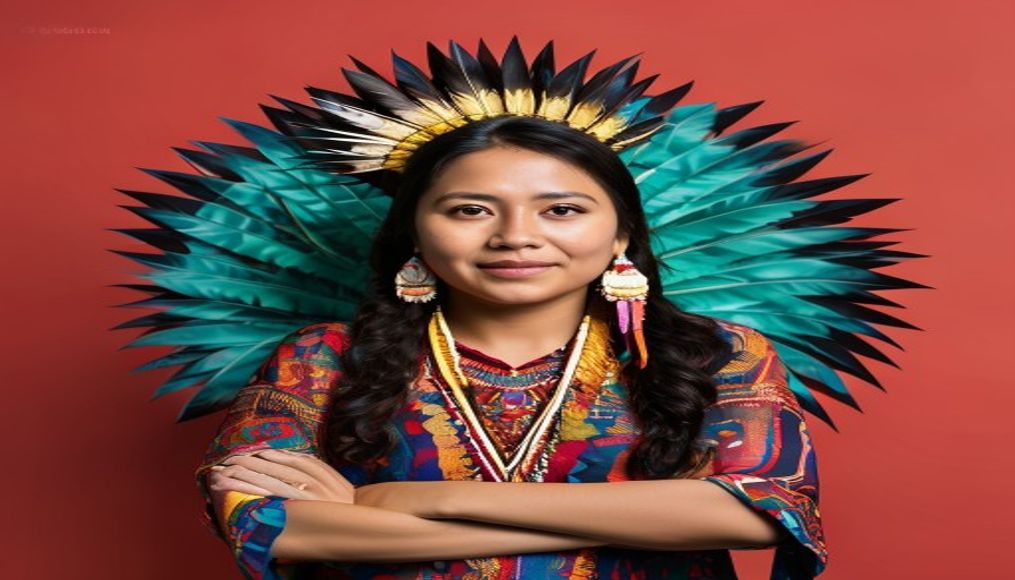
The rich cultural tapestry of the Philippines is home to numerous indigenous peoples, each with unique traditions and languages. Yet, despite their vibrant heritage, many of these communities face significant educational barriers. Scholarships for indigenous peoples in the Philippines have emerged as a crucial lifeline, providing access to education and opportunities that can uplift entire communities. In this article, we’ll explore the various scholarships available, their impact, and the ongoing challenges faced by indigenous students.
Understanding the Educational Landscape
The Philippines boasts a diverse array of indigenous groups, including the Lumad, Igorot, and Aeta, among others. These groups often reside in remote areas, where access to quality education is limited. According to the National Commission on Indigenous Peoples (NCIP), educational attainment among indigenous peoples is significantly lower than the national average. Many young people from these communities struggle to continue their education due to financial constraints, geographic barriers, and systemic discrimination. For more on this, see starting with equality. Related reading: ClickUp pricing details.
Recognizing these challenges, various government and non-government organizations have stepped in to provide support. Scholarships specifically tailored for indigenous peoples aim not only to promote educational attainment but also to preserve cultural identity through education. These programs encourage indigenous students to pursue higher education, vocational training, and other learning opportunities that can lead to better employment prospects. (See: USAID Education Programs in the Philippines.)
Types of Scholarships Available
In the Philippines, several initiatives offer scholarships for indigenous peoples. Here are some noteworthy programs:
- Government Scholarships: The Department of Education (DepEd) has implemented policies to support indigenous students in accessing education. The Indigenous Peoples Education (IPEd) program is one such initiative that aims to provide scholarships and learning materials to ensure that indigenous learners can thrive.
- Higher Education Institutions: Many universities, such as the University of the Cordilleras and Mindanao State University, offer specific scholarships for indigenous students. These institutions understand the unique challenges faced by these communities and have tailored programs to support their academic journey.
- Non-Governmental Organizations (NGOs): Several NGOs, like the Philippine Business for Education and the R.A.C.E. Foundation, provide scholarships and support services for indigenous students. These organizations often collaborate with local communities to deliver targeted educational programs that address specific needs.
- International Funding: Some international organizations also offer grants and scholarships aimed at supporting indigenous education in the Philippines. These funds can help cover tuition, accommodation, and other essential expenses.
The Impact of Scholarships
Scholarships for indigenous peoples in the Philippines have the potential to create significant positive change. By removing financial barriers, these programs enable students to pursue higher education, which can have a ripple effect on their communities. Educated individuals often return to their communities with valuable skills and knowledge, helping to foster local development.
For instance, a scholarship recipient might choose to study education, public health, or environmental science, contributing to crucial areas of improvement in their community. Furthermore, these scholarships help to promote pride in cultural heritage, as many programs incorporate indigenous knowledge and practices into the curriculum, ensuring that students don’t have to abandon their identity in the pursuit of education. We covered affordable education access for adults in more detail.
However, the impact of these scholarships extends beyond individual students. By promoting education among indigenous populations, these initiatives can help bridge the gap between indigenous and non-indigenous communities, fostering understanding and collaboration. It’s a step toward creating a more equitable society.
Ongoing Challenges and Future Directions
While scholarships for indigenous peoples in the Philippines offer hope, challenges persist. Many students still face obstacles such as geographic isolation, lack of access to quality educational institutions, and cultural prejudices. Moreover, funding for these scholarships can be inconsistent, depending on government budgets and donor support.
To enhance the effectiveness of scholarship programs, it’s essential to develop a comprehensive approach that includes:
- Community Engagement: Involving indigenous communities in the design and implementation of educational programs ensures that the solutions are relevant and culturally appropriate.
- Holistic Support Services: Beyond financial assistance, providing mentorship, counseling, and academic support can greatly improve the chances of success for indigenous students.
- Policy Advocacy: Advocacy for policies that ensure equitable access to education for indigenous peoples is crucial. This includes pushing for more robust funding for scholarship programs and supportive measures for indigenous education.
As the Philippines continues to progress, it is vital to prioritize the education of indigenous peoples. Scholarships for indigenous peoples in the Philippines are not just about funding; they represent the promise of a brighter future for entire communities. By investing in these programs, the nation can pave the way for a more inclusive and equitable society.
Trending Now
- this guide on is travel to paris summer 2023 still a good idea? here’s what you need to know
- Discover the 2026 Summer Wellness Reset:…
- our breakdown of inside the michael biopic tiktok trend: what’s driving the buzz?
- the complete explanation
Frequently Asked Questions
What scholarships are available for indigenous peoples in the Philippines?
Various scholarships are available for indigenous peoples in the Philippines, including government initiatives from the Department of Education and programs from non-government organizations. These scholarships aim to promote educational attainment and preserve cultural identity.
What challenges do indigenous students in the Philippines face?
Indigenous students in the Philippines face significant challenges such as financial constraints, geographic barriers, and systemic discrimination, which hinder their access to quality education and contribute to lower educational attainment compared to the national average.
How do scholarships help indigenous communities in the Philippines?
Scholarships for indigenous peoples help uplift communities by providing access to education and opportunities for better employment. They encourage students to pursue higher education and vocational training, fostering both personal and community development.
What is the role of the National Commission on Indigenous Peoples (NCIP) in education?
The National Commission on Indigenous Peoples (NCIP) plays a crucial role in advocating for the educational rights of indigenous peoples in the Philippines. It provides support and resources to improve educational attainment among these communities.
How can indigenous students apply for scholarships in the Philippines?
Indigenous students can apply for scholarships through various government and non-government organizations. Information about application processes is often available on official websites or through community outreach programs aimed at supporting indigenous education.
What did we miss? Let us know in the comments and join the conversation.


