

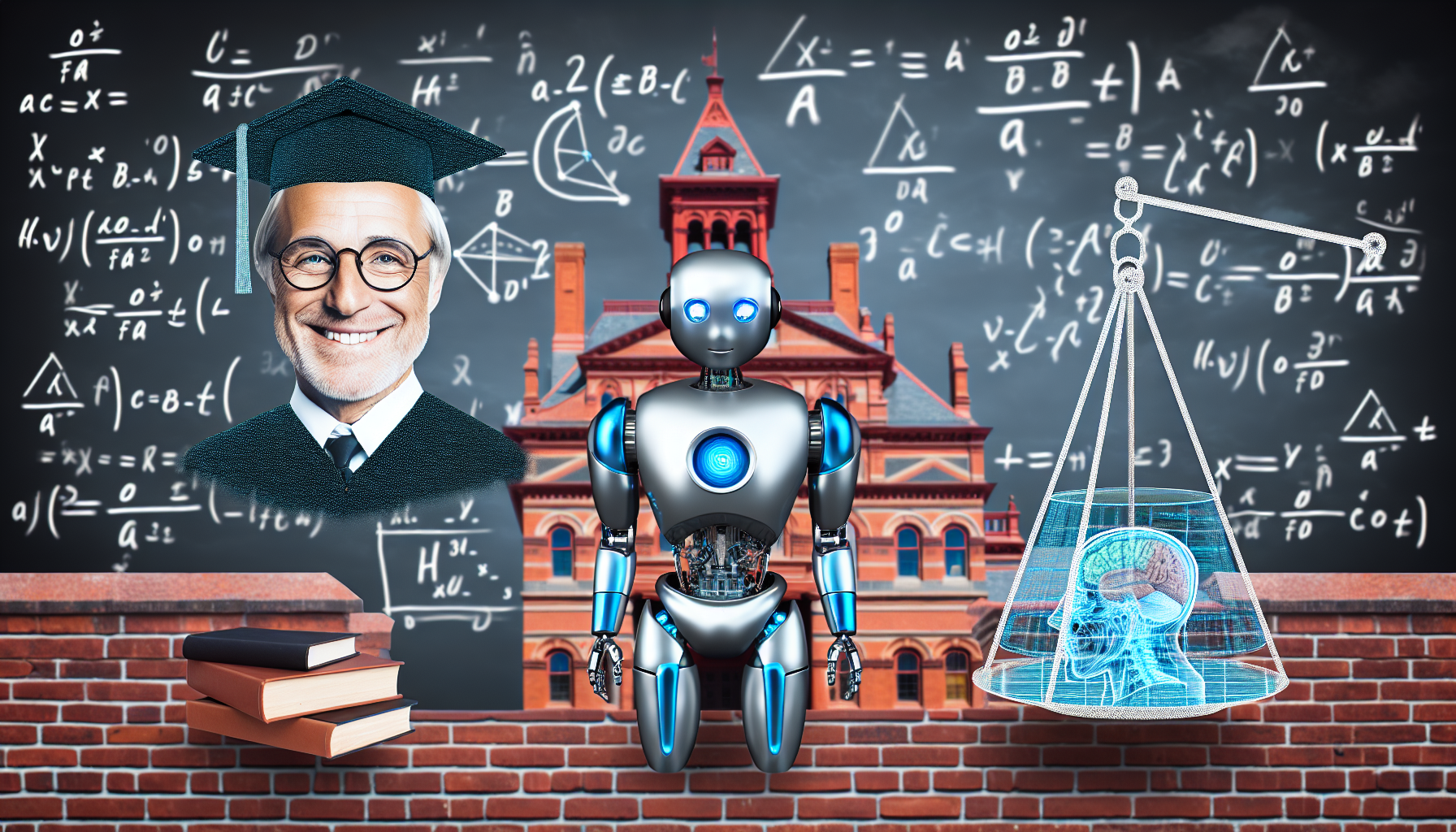
In a groundbreaking move that is set to redefine the landscape of higher education, Harvard University has announced the integration of AI-powered tutors into its core undergraduate curriculum. This initiative, developed in collaboration with OpenAI, aims to personalize the learning experience for over 7,000 students and comes in response to increasing enrollment pressures.
The Vision Behind AI Tutors
The decision to implement AI tutors is part of Harvard’s broader strategy to enhance educational outcomes and adapt to the changing demands of modern education. The program leverages advanced AI models that provide real-time feedback, adaptive lesson plans, and personalized learning pathways tailored to individual student needs. Initial pilot tests have shown promising results, with a remarkable 25% improvement in student retention rates. Related reading: bundled vs unbundled education.
Addressing Faculty Shortages
With a growing number of students enrolling each year, Harvard faces challenges in maintaining its commitment to high-quality education. Claudine Gay, the President of Harvard University, emphasized that the use of AI tutors could help address faculty shortages while still offering students the individualized attention they require. “As we look toward the future, we must embrace technological advancements that can enhance, rather than replace, the educational experience,” Gay stated during the announcement.
How AI Tutors Work
The AI tutors are designed to operate in a complementary role alongside traditional teaching methods. Using sophisticated algorithms, these tutors analyze a student’s performance in real-time, adjusting lesson plans and providing feedback based on their unique learning pace and style. This personalized approach is intended to foster deeper understanding and retention of course material.
Benefits of AI Integration
- Real-Time Feedback: Students receive instant responses to their queries, allowing them to address misunderstandings promptly.
- Adaptive Learning: The AI can modify lesson plans based on student performance, ensuring that no one falls behind.
- Scalability: With a growing student population, AI tutors can offer support to more students without the proportional increase in faculty.
The Debate: AI Tutors vs. Human Mentorship
While the initiative has garnered support from many quarters, it has also ignited a national debate about the role of AI in education. Critics, including professors from Yale and Stanford, have voiced concerns that AI tutors could undermine the critical role of human mentorship. They argue that the emotional intelligence, empathy, and nuanced understanding that human educators provide cannot be replicated by machines.
Concerns Raised by Critics
- Loss of Human Connection: Critics fear that the reliance on AI could diminish the personal relationships between students and faculty, which are vital for academic and personal growth.
- Oversimplification of Learning: Some educators worry that AI may not adequately address complex questions or provide the depth of understanding that human tutors can offer.
- Equity Issues: There are concerns that not all students will have equal access to AI technologies, potentially widening existing educational disparities.
Looking Ahead: The Full Rollout
Despite the controversy, Harvard plans to fully implement the AI tutor program by fall 2026. The university intends to monitor the program’s impact on student achievement and retention closely. As the landscape of education continues to evolve, Harvard’s initiative may serve as a critical case study for other institutions considering similar integrations.
Potential Impacts on Higher Education
The introduction of AI tutors at Harvard may have far-reaching implications for the future of higher education. If successful, this model could inspire other universities to explore AI solutions to enhance learning. However, as the debate unfolds, it is crucial to find a balance between technological innovation and the fundamental principles of educational mentorship.
Conclusion
The integration of AI tutors into Harvard University’s core curriculum marks a significant step toward personalized education. While the potential benefits are substantial, the implications of such a shift must be carefully considered. As Harvard leads the way in this uncharted territory, the broader educational community will be watching closely, weighing the pros and cons of AI’s role in shaping the future of learning.


