

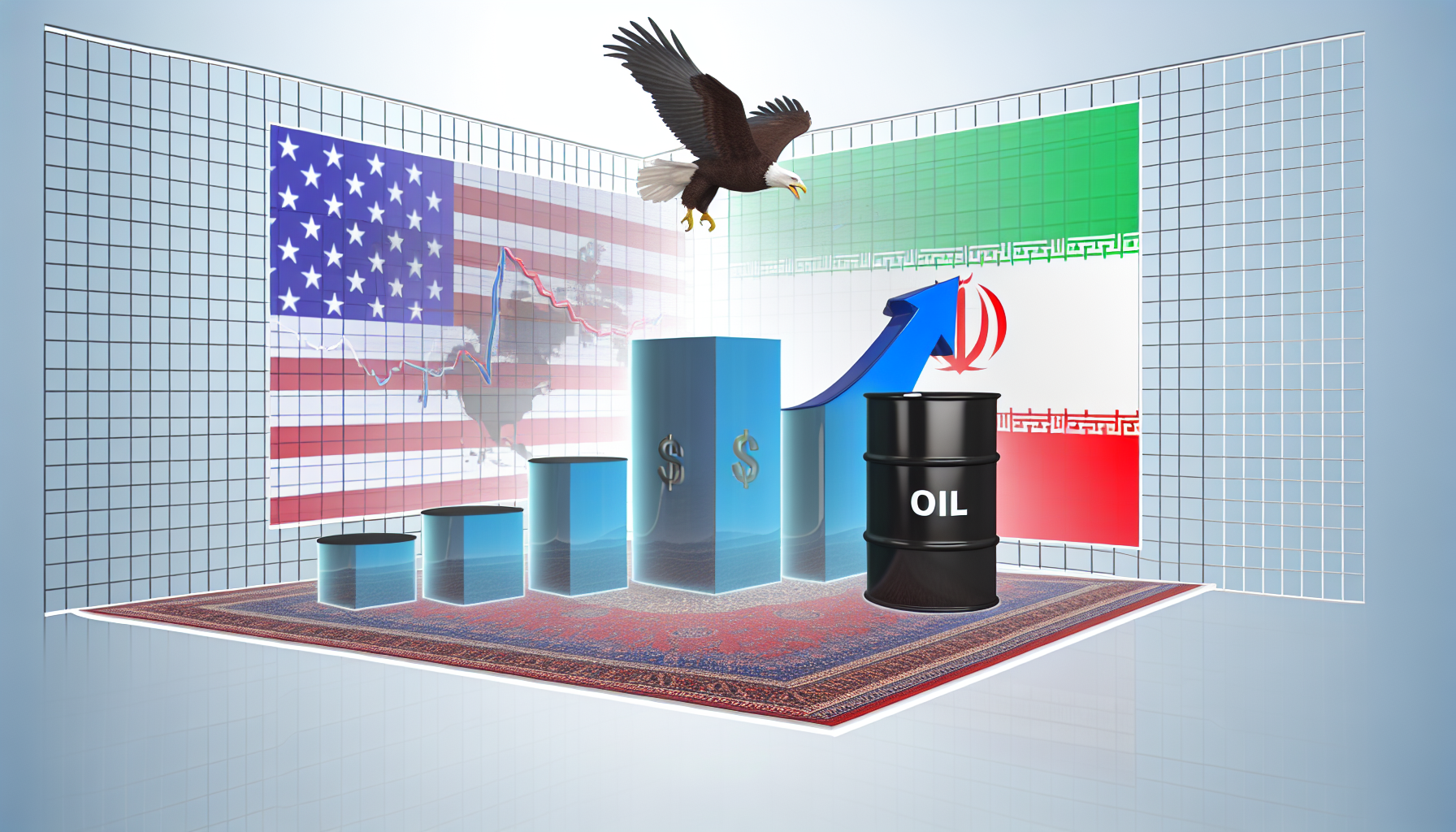
On March 16, crude oil prices climbed sharply, surpassing the $100 per barrel mark, fueled by escalating tensions between the United States and Iran. The market reacted strongly to President Donald Trump’s warning regarding potential attacks on Iran’s pivotal Kharg Island oil hub, a critical point for the nation’s oil exports. This development has raised alarms about possible disruptions in global oil supply, contributing to the price surge.
Market Response to Geopolitical Tensions
The rise in oil prices, reported at approximately 1% on the day, underscores how geopolitical events can significantly influence the commodities market. The warning from President Trump is particularly concerning as Kharg Island is Iran’s primary oil export terminal, responsible for a substantial portion of the country’s oil sales. Any military action targeting this facility would likely lead to severe disruptions in oil exports, not only from Iran but potentially affecting regional stability and trade routes.
The Importance of Kharg Island
Kharg Island, located in the Persian Gulf, serves as a crucial hub for Iran’s oil exports, with the capacity to handle large quantities of crude oil. Historically, the island has been a focal point during periods of heightened tensions in the Middle East, given its strategic significance. Disruptions in operations at Kharg Island could have far-reaching implications, not only for Iran’s economy but also for global oil supply dynamics.
Implications for Global Oil Supply
The recent spike in oil prices reflects broader concerns about the reliability of global oil supply chains amid ongoing geopolitical unrest. Analysts suggest that any military conflict involving Iran could lead to a ripple effect across the oil markets, impacting prices worldwide. As the world transitions to a post-pandemic recovery, increasing oil prices could pose additional challenges to economic stability.
- Supply Chain Vulnerabilities: The heightened tensions may exacerbate existing vulnerabilities in global supply chains, leading to increased prices and reduced availability.
- Impact on Consumer Prices: Rising oil prices typically translate to higher costs for consumers, affecting transportation and goods prices.
- Potential for Economic Slowdown: Sustained high oil prices could dampen consumer spending and slow economic growth, especially in oil-importing nations.
Historical Context of Oil Price Surges
The current situation is reminiscent of previous oil price crises that were similarly triggered by geopolitical issues. For instance, the Gulf War in the early 1990s and the sanctions on Iran in the past decade both led to significant increases in oil prices. In these instances, the market reacted to perceived threats to supply and increased uncertainty in the region.
Future Outlook for Oil Prices
As the situation develops, market analysts are closely monitoring the potential outcomes of the ongoing U.S.-Iran tensions. If diplomatic measures fail and military actions escalate, oil prices could continue to rise. Conversely, if tensions ease, we may see a stabilization or even a reduction in prices as markets adjust to the new realities.
Strategies for Investors
For investors and stakeholders in the oil market, navigating these turbulent times requires a strategic approach. Here are some considerations:
- Diversification: Investors may want to diversify their holdings to mitigate risks associated with oil price volatility.
- Monitoring Geopolitical Developments: Keeping abreast of news related to U.S.-Iran relations will be crucial in making informed investment decisions.
- Long-term vs. Short-term Strategies: Depending on market conditions, investors might need to adopt either long-term or short-term strategies to optimize their portfolios.
Conclusion
The recent increase in crude oil prices past the $100 mark highlights the intricate relationship between geopolitics and commodity markets. With President Trump’s warning regarding Iran’s Kharg Island oil hub, the potential for disruption in oil supplies has become a pressing concern for global markets. Investors, policymakers, and consumers alike will need to remain vigilant as the situation unfolds, recognizing that fluctuations in oil prices can have widespread implications for economies around the world.


