

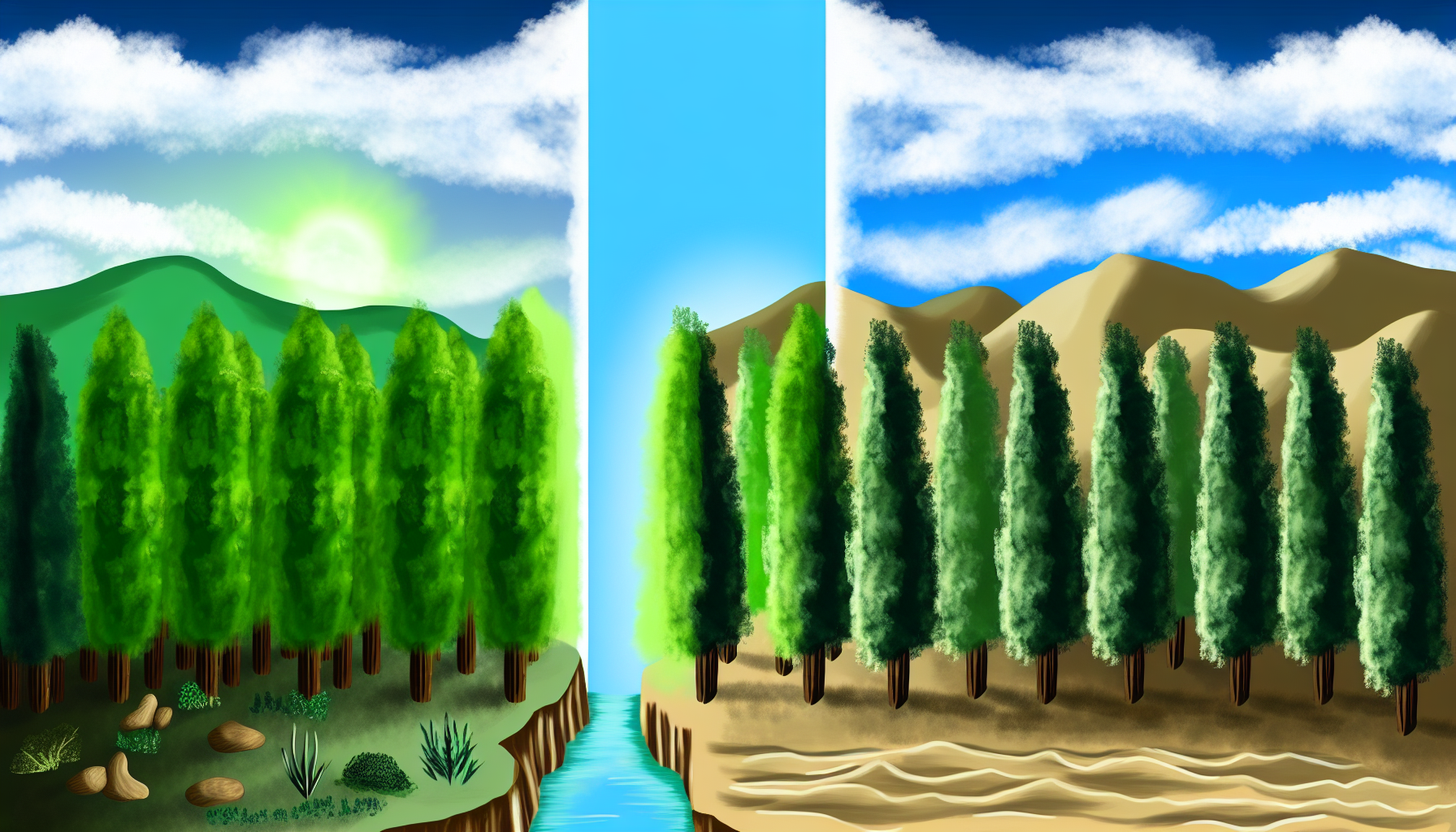
In recent years, China’s ambitious Green Wall project has captured the attention of environmentalists, policymakers, and the global community alike. Launched in an effort to combat the severe issue of desertification, the initiative aims to create a vast expanse of forested land that stretches across northern China. However, this grand vision has been met with increasing scrutiny and skepticism regarding its actual effectiveness in restoring the environment.
The Genesis of the Green Wall
The Green Wall, officially known as the Great Green Wall, was initiated in 1978 as a response to escalating desertification and land degradation, particularly in northern China. This area, which has suffered from severe soil erosion and loss of arable land, faced dire consequences due to unsustainable agricultural practices, deforestation, and climate change. The primary goal of the project is to halt the encroachment of the Gobi Desert and restore the ecological balance by planting millions of trees over a span of decades.
Ambitious Goals and Implementation
China’s plan involves planting a staggering number of trees, with officials aiming to cover a total of 2.58 million square kilometers by 2050. This massive undertaking is designed not only to create a physical barrier against desert expansion but also to contribute to carbon sequestration efforts and improve air quality across the region. The Chinese government has invested heavily in this initiative, with reports citing tens of billions of dollars allocated for its development.
Criticism and Controversies
Despite the ambitious objectives, the Green Wall project has faced criticism from various quarters. Environmental experts have raised concerns about the effectiveness of monoculture plantations, where only a single species of tree is planted. Such practices can lead to a lack of biodiversity, making the ecosystem more vulnerable to pests and diseases.
- Monoculture Risks: Planting only a few species can harm biodiversity.
- Water Usage: Some tree species require significant water resources, which could exacerbate water scarcity in already arid regions.
- Community Impact: Local communities sometimes face displacement or restrictions on land use due to large-scale planting efforts.
Moreover, the lack of clear data regarding the success rates of the trees planted raises further questions about the project’s sustainability. While many trees have been planted, reports do not provide comprehensive statistics on survival rates or the ecological impact of these trees over time.
Is It a Mirage?
The skepticism surrounding the Green Wall project has led some to label it a “mirage” — a grand initiative that may not fulfill its promises. Critics argue that without a detailed assessment of its outcomes, including environmental, social, and economic impacts, it is challenging to determine whether this project is genuinely effective or merely a political statement.
Additionally, the environmental community has increasingly pointed out that tree planting alone is insufficient for addressing the complex issues surrounding desertification and climate change. Many experts advocate for a more integrated approach that includes sustainable land management practices, soil restoration, and community engagement to ensure the long-term success of reforestation efforts.
Global Implications and the Future of Environmental Restoration
The discussions surrounding China’s Green Wall extend beyond its borders. As climate change continues to pose significant threats globally, the initiative has sparked a broader conversation about the role of reforestation and afforestation in environmental restoration. The outcome of the Green Wall project could serve as a case study for other countries facing similar challenges.
Countries around the world are watching closely to see if China’s massive tree-planting efforts will yield positive results, particularly as they consider implementing their own similar initiatives. The global community is increasingly recognizing the importance of restoring degraded lands, and many nations are now engaging in large-scale tree planting campaigns as part of their climate action strategies.
Conclusion: A Path Forward
As the debate continues, it is evident that China’s Green Wall project is at a critical juncture. While the ambition to combat desertification is commendable, the effectiveness of the initiative remains uncertain. For the Green Wall to be more than just a mirage, it is crucial that policymakers, scientists, and local communities work together to ensure that trees planted are not only numerous but also strategically selected and maintained. This builds on diverse paths to biodiversity.
In the face of climate change and environmental degradation, the world needs successful models of restoration. The Green Wall project, whether a success or a failure, will undoubtedly contribute to the ongoing discourse around sustainable environmental practices and the future of our planet.


