

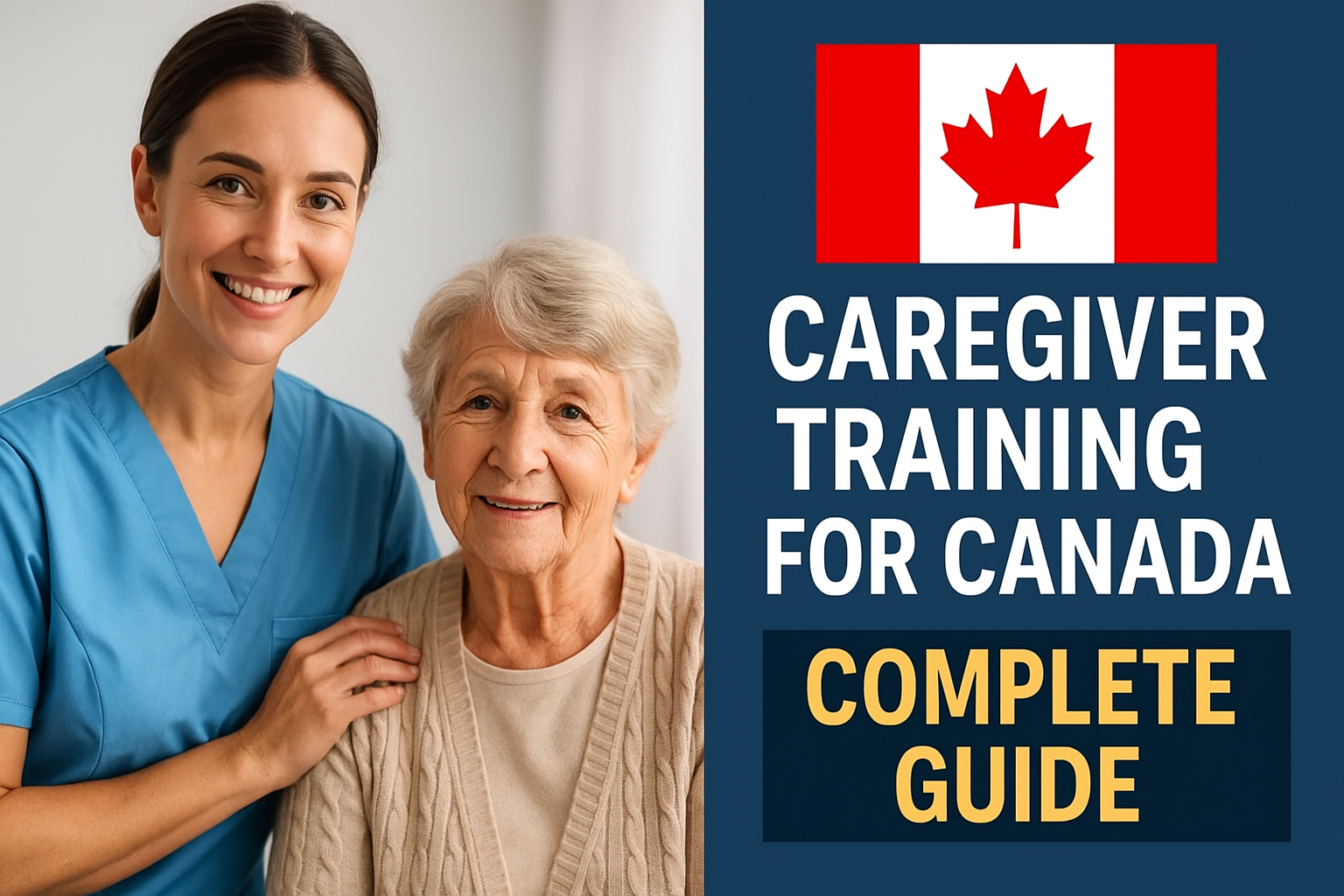
In an aging society where the demand for compassionate and skilled caregivers is ever-growing, caregiver training in Canada has become more crucial than ever. This comprehensive guide will walk you through the various aspects of caregiver training, including its significance, types of training programs available, and practical insights on how to become an effective caregiver.
Why Caregiver Training Matters
As the Canadian population ages, especially the baby boomer generation, there is an increased need for caregivers to support individuals with disabilities, chronic illnesses, or age-related challenges. According to Statistics Canada, roughly 7.8 million Canadians provide unpaid care to family members, and this number is expected to rise. Training caregivers ensures they possess the necessary skills to deliver quality care, improving the overall well-being of those they support.
Moreover, caregiver training is not just about learning practical skills; it also fosters empathy and communication abilities that are vital for building trust between caregivers and their clients. Research shows that well-trained caregivers can significantly enhance the quality of life for their clients, leading to better health outcomes. (See: CDC resources on caregiving.)
Types of Caregiver Training Programs
In Canada, various institutions offer caregiver training, catering to different needs and preferences. Here’s a look at some of the primary types:
- Formal Education Programs: Colleges and universities offer diploma and degree programs related to caregiving, such as Personal Support Worker (PSW) and Community Support Worker (CSW) programs. These courses typically cover topics like anatomy, patient care, ethics, and communication.
- Online Training Courses: For those who prefer flexibility, numerous online platforms provide caregiver training courses. These can range from short workshops to more comprehensive training programs that are both affordable and accessible.
- Workshops and Seminars: Organizations often host workshops that focus on specific skills, such as handling mobility equipment, first aid, or specialized care for dementia patients. These can be great for ongoing education.
- On-the-Job Training: Many caregivers also receive training through their employers, particularly those who work in healthcare facilities. Shadowing experienced caregivers and participating in hands-on training can provide invaluable experience.
Key Skills Acquired Through Caregiver Training
Engaging in caregiver training in Canada equips aspiring caregivers with a variety of essential skills: (See: WHO on aging and caregiving.)
- Basic Medical Knowledge: Understanding medications, vital signs, and general health conditions enables caregivers to provide better support.
- Communication Skills: Training teaches caregivers how to effectively communicate with clients, families, and health professionals, ensuring everyone is on the same page regarding care plans.
- Emotional Intelligence: Learning to manage emotions while dealing with clients’ challenges is crucial. Caregiver training often emphasizes empathy and emotional support.
- Practical Skills: This includes assistance with daily living activities, such as bathing, meal preparation, and medication management, ensuring that caregivers can help their clients maintain independence.
Current Relevance and Future Trends
The relevance of caregiver training cannot be overstated. Recent reports indicate that Canada will face a potential shortage of caregivers as demand continues to outpace supply. The Canadian government’s commitment to enhancing healthcare services further underscores the need for properly trained caregivers. Moreover, with technological advancements in healthcare, those entering the caregiving field will likely need to adapt to new tools and methods.
One trend gaining traction is the integration of technology into caregiver training. Virtual reality simulations and online courses make training more engaging and accessible, allowing caregivers to practice real-world scenarios without the pressures of a live environment. Additionally, some programs are beginning to focus on specialized areas such as palliative care and mental health support, preparing caregivers for the diverse needs of clients.
How to Choose the Right Training Program
Deciding on a caregiver training program can be overwhelming due to the multitude of options available. Here are some tips to help you choose the right path:
- Assess Your Goals: Determine if you want a formal education or a short course. Are you looking to work in a healthcare facility or provide care in a private home?
- Research Institutions: Look for accredited programs with positive reviews from alumni. This can help ensure you’re receiving quality training.
- Check for Flexibility: Online options can provide the flexibility you need if you have other commitments.
- Inquire About Job Placement: Some programs offer job placement assistance, which can be crucial in starting your career as a caregiver.
In conclusion, caregiver training in Canada is not just a necessity; it’s a pathway to a rewarding career that makes a significant impact on individuals and families. Whether you’re looking to jumpstart your career or enhance your skills, investing in proper training can lead to profound changes—not only in your life but also in the lives of those you care for.
Trending Now
- this guide on is travel to paris summer 2023 still a good idea? here’s what you need to know
- read the full story
- our breakdown of inside the michael biopic tiktok trend: what’s driving the buzz?
- this guide on rising summer travel costs in 2026: what every traveler needs to know
- our breakdown of why michael jackson is trending in 2026: the surprising reasons behind the buzz
Frequently Asked Questions
What is caregiver training in Canada?
Caregiver training in Canada equips individuals with the skills and knowledge needed to provide compassionate care to those with disabilities, chronic illnesses, or age-related challenges. It includes formal education programs, online courses, and practical training, focusing on essential areas like patient care, ethics, and communication.
Why is caregiver training important?
Caregiver training is crucial as it ensures caregivers have the necessary skills to deliver quality care. Trained caregivers can significantly improve the quality of life for their clients, enhance health outcomes, and foster strong relationships built on trust and empathy.
What types of caregiver training programs are available in Canada?
In Canada, caregiver training programs include formal education through colleges and universities, offering diplomas and degrees like Personal Support Worker (PSW) and Community Support Worker (CSW), as well as flexible online training courses that vary in length and depth.
How can I become an effective caregiver?
To become an effective caregiver, one should pursue appropriate training programs that cover essential skills such as patient care, communication, and empathy. Practical experience, continuous learning, and a compassionate approach are also vital in delivering high-quality care.
What skills do caregivers need to develop?
Caregivers need to develop a range of skills including effective communication, empathy, patience, problem-solving abilities, and basic medical knowledge. Training programs often focus on these skills to prepare caregivers for the challenges they may face in their roles. See also Getcosmiq College info.
What's your take on this? Share your thoughts in the comments below — we read every one.


