

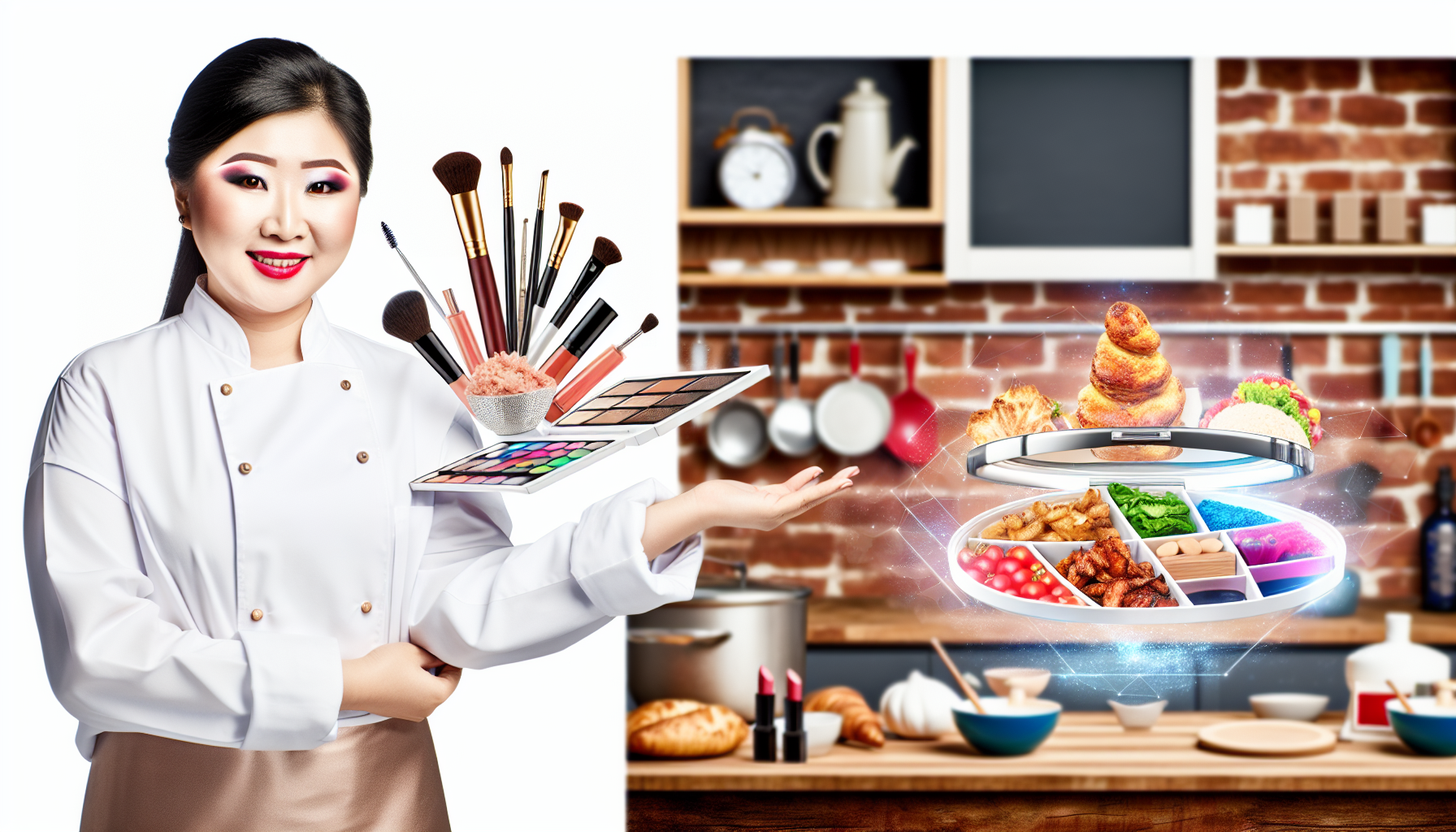
The beauty industry is witnessing an exciting evolution as it increasingly intertwines with the culinary world. On April 7, 2026, several noteworthy developments have emerged, reflecting innovative collaborations between beauty and food brands, which aim to engage consumers in fresh and dynamic ways.
Innovative Collaborations: Beauty and Food Unite
In a trend that signifies the blurring of lines between beauty and food, various brands are exploring new avenues to connect with consumers. The merging of these two industries showcases a creative approach to marketing, appealing to a younger demographic that values experiential products.
The Rise of Culinary Beauty Products
As consumers become more health-conscious and interested in clean ingredients, beauty brands are looking to food for inspiration. This trend has seen the emergence of products infused with food-grade ingredients, promising both efficacy and indulgence. For instance, skincare products containing superfoods like kale, matcha, and turmeric are becoming more prevalent, catering to a market that increasingly prioritizes holistic wellness.
Batiste Launches Engaging TikTok Campaign
One of the standout stories from this week is Batiste’s new TikTok campaign featuring the multi-talented Jen Affleck. The campaign is designed to engage younger audiences through social media, a platform where they spend a significant amount of time. Batiste, known for its dry shampoo, is leveraging the popularity of TikTok to create compelling content that resonates with the younger generation.
Bridging the Generational Gap
The initiative not only aims to highlight the efficacy of Batiste’s products but also strives to build a community around the brand. By collaborating with celebrities like Affleck, who has a strong social media presence, Batiste is effectively bridging the generational gap and appealing to a demographic that is often skeptical of traditional advertising.
Estée Lauder’s One ELC Initiative
In another significant move within the beauty sector, Estée Lauder has launched the One ELC initiative. This unified approach aims to streamline the company’s diverse portfolio under one cohesive strategy. The initiative is designed to foster collaboration between various brands within the Estée Lauder Companies, enhancing product offerings and improving customer experience.
Enhancing Brand Cohesion
By adopting the One ELC strategy, Estée Lauder is paving the way for a more integrated approach to product development and marketing. This initiative not only strengthens brand identity but also encourages innovative partnerships among its subsidiaries, fostering a culture of collaboration that can lead to groundbreaking product launches and marketing campaigns.
CEW Honors Carlotta Jacobson
The beauty industry is not just about products and marketing; it also celebrates the individuals who have shaped its landscape. This week, the Cosmetic Executive Women (CEW) honored industry veteran Carlotta Jacobson for her significant contributions to the beauty sector. Jacobson’s influence extends over decades, marked by her dedication to empowering women in the industry and advocating for innovation.
A Legacy of Leadership
Jacobson’s recognition by CEW underscores the importance of leadership and mentorship in the beauty industry. Her career has been characterized by her commitment to fostering talent and driving change, making her a pivotal figure in the evolution of beauty standards and practices. As she continues to inspire future generations, her legacy serves as a reminder of the impact that passionate individuals can have on an entire industry.
The Future of Beauty: Embracing Change and Innovation
As the beauty industry continues to evolve, the fusion of beauty and food is just one of the many exciting trends shaping the future. Brands are increasingly recognizing the importance of engaging younger consumers through innovative marketing strategies and product offerings that reflect their values and lifestyles.
Consumer-Centric Approaches
The recent developments highlight a broader shift towards consumer-centric approaches within the beauty sector. With an emphasis on transparency, sustainability, and inclusivity, brands are adapting to meet the changing expectations of their audience. The integration of culinary elements into beauty products not only enhances their appeal but also aligns with a growing interest in health and wellness.
Conclusion: A New Era for the Beauty Industry
As we look to the future, the beauty industry’s innovative collaborations and initiatives promise to create a vibrant landscape for consumers. With brands like Batiste and Estée Lauder leading the charge, the merging of beauty with food and the honoring of industry pioneers like Carlotta Jacobson signals a new era for beauty—one that is dynamic, inclusive, and rooted in genuine consumer engagement. As brands continue to explore these intersections, the possibilities for innovation are limitless.


