

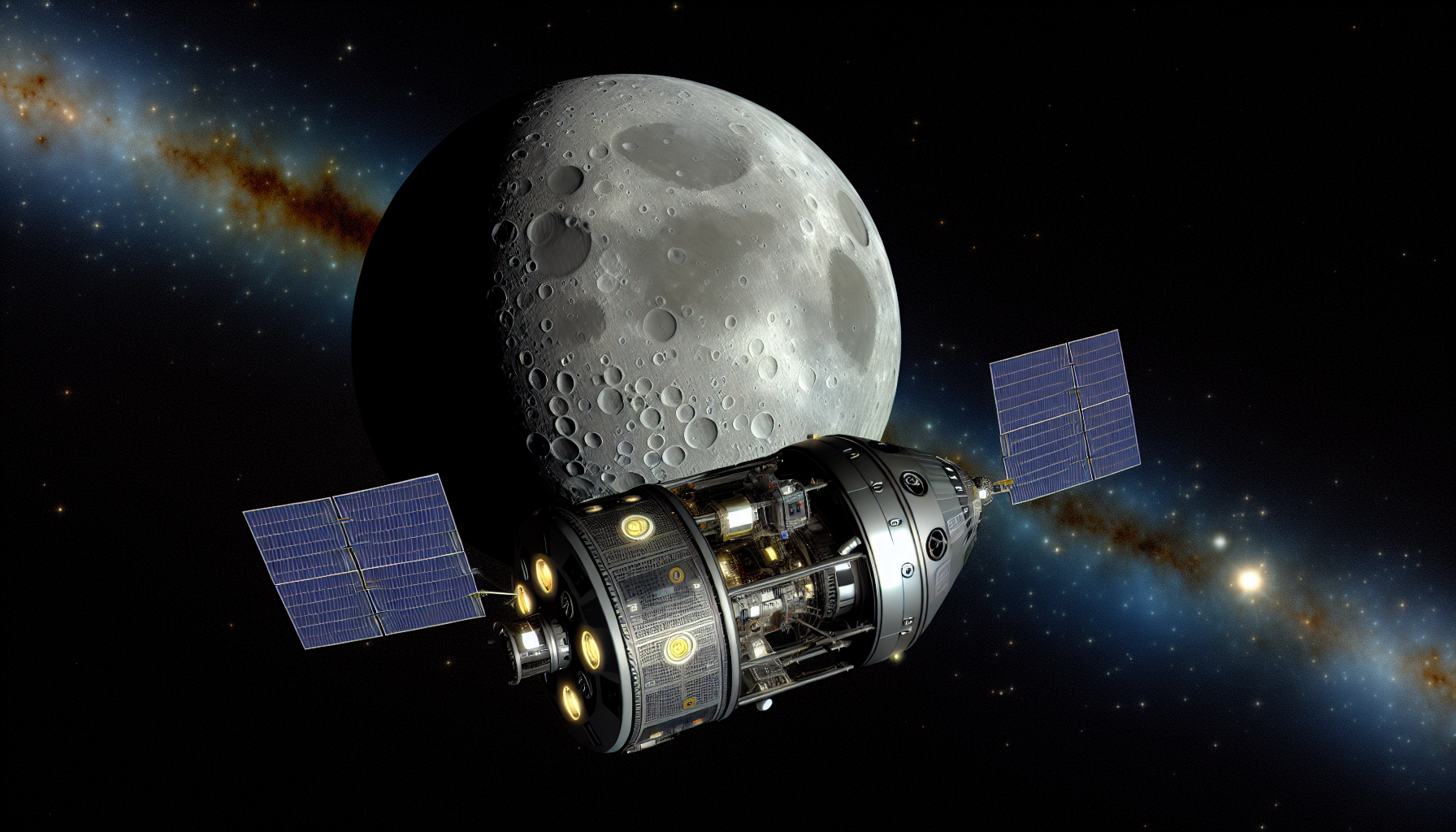
NASA is set to embark on a historic journey with the upcoming Artemis II mission, marking humanity’s return to the Moon after a 54-year hiatus since the last Apollo mission, Apollo 17, in 1972. Scheduled for launch on April 1, 2026, at 4:24 PM MDT from the Kennedy Space Center in Florida, this mission represents a significant milestone in space exploration and a pivotal step toward sustainable lunar exploration.
Mission Overview
The Artemis II mission will send a crew of four astronauts on a journey approximately 1.3 million miles (2.1 million km) into space, utilizing a 10-day free-return trajectory that will take them around the Moon. This trajectory is designed to ensure that, in the event of an emergency, the spacecraft can safely return to Earth without requiring extensive propellant reserves.
The astronauts will travel aboard the Orion spacecraft, propelled by the powerful Space Launch System (SLS), capable of reaching speeds exceeding 24,000 mph. This remarkable velocity will allow the crew to complete their lunar flyby in record time, marking a new era of human exploration beyond low Earth orbit.
The Crew of Artemis II
NASA has not yet publicly announced the names of the astronauts who will participate in this groundbreaking mission, but the agency has emphasized the importance of diversity and inclusivity within the crew. As the Artemis program aims to land the first woman and the next man on the lunar surface, the selection of the crew for Artemis II is expected to reflect a commitment to representation in space exploration. Related reading: historic moon mission.
Significance of Artemis II
The Artemis II mission is not just a nostalgic return to the Moon; it is a crucial step toward establishing a sustainable presence on the lunar surface. NASA’s Artemis program aims to create a long-term human presence on the Moon, paving the way for future missions to Mars and beyond. By testing the Orion spacecraft and SLS in a deep space environment, Artemis II will provide essential data that will inform upcoming lunar landings.
NASA Administrator Bill Nelson remarked on the importance of this mission, stating, “Artemis II will be a crucial step in our journey to return humans to the Moon and eventually send astronauts to Mars. This mission will test the systems required for future lunar landings and ensure that we are ready for the challenges ahead.”
Preparations and Launch Windows
As the launch date approaches, NASA will conduct extensive preparations to ensure the success of Artemis II. The agency has established a series of launch windows, which may be adjusted based on optimal lunar path alignment and other technical considerations. Unlike the Apollo missions, which had specific launch dates, the Artemis II mission will utilize a more flexible approach to ensure that the spacecraft is in the best position for its journey.
The SLS rocket, which will be used for this mission, is currently undergoing final testing and integration at NASA facilities. Each component of the rocket and spacecraft is being meticulously examined to ensure maximum performance and safety during the mission.
Looking Ahead
After Artemis II, NASA plans to follow up with Artemis III, which aims to land astronauts on the lunar South Pole for the first time. The South Pole is particularly intriguing due to the presence of water ice, which could be essential for sustaining human life on future missions.
Moreover, the knowledge gained from the Artemis program will inform the designs and missions required to send humans to Mars. The Moon serves as a testing ground for technologies and systems that will ultimately support human exploration of the Red Planet.
Conclusion
The Artemis II mission signifies a bold step forward in humanity’s quest for exploration beyond our planet. As we prepare to witness the launch of this historic mission, it serves as a reminder of our capabilities and aspirations as we reach for the stars. With Artemis II, we are not just looking back at our past achievements; we are setting the stage for the future of space exploration, inspiring generations to come.


