

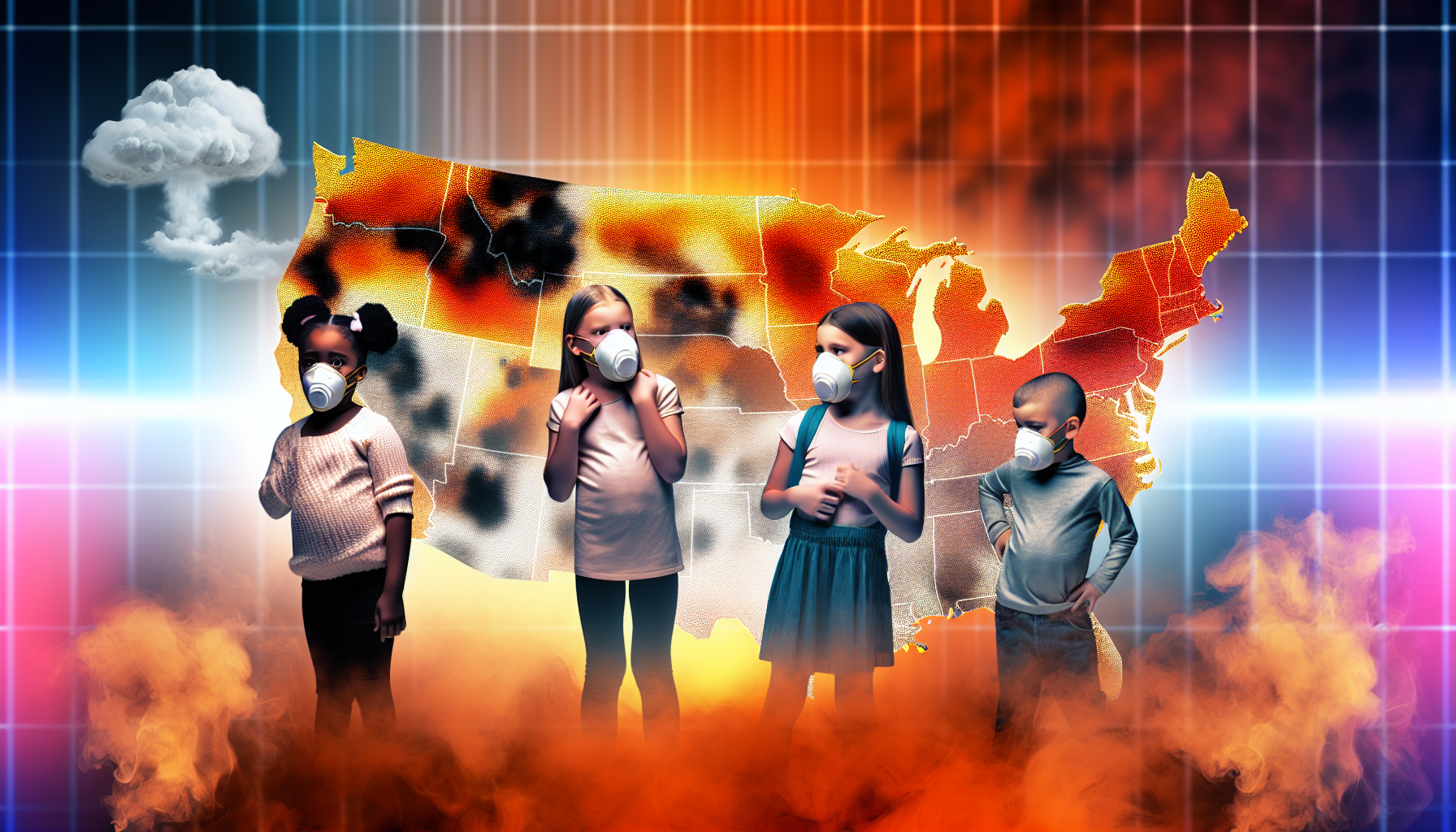
The American Lung Association’s recently released 27th annual ‘State of the Air’ report, published on April 22, 2026, brings alarming statistics to light regarding environmental health and its impact on the nation’s youth. The report indicates that nearly 50% of children in the United States are exposed to unhealthy levels of air pollution, raising significant concerns about the long-term health implications for millions of American families.
Staggering Statistics on Air Quality
According to the report, approximately 33.5 million children are living in areas with subpar air quality. This troubling figure highlights a significant environmental health crisis, with children facing increased risks for respiratory diseases and other health complications due to polluted air. The findings stress the urgent need for reform in air quality standards and pollution control measures.
The Health Impact of Poor Air Quality
Exposure to air pollution has been linked to a variety of serious health issues, particularly among vulnerable populations like children. The report outlines several health risks associated with poor air quality, including:
- Asthma: Children are particularly susceptible to developing asthma and other chronic respiratory conditions due to exposure to pollutants.
- Cardiovascular Issues: Air pollution can lead to long-term cardiovascular problems, increasing the risk of heart disease.
- Developmental Delays: Studies have shown that exposure to toxic air can impact cognitive development in children.
- Premature Birth: Pregnant women exposed to high levels of air pollution may face risks of premature birth and low birth weight.
These health risks underscore the crucial need for parents, policymakers, and communities to work together to advocate for better air quality standards.
Geographical Disparities in Air Quality
The report also highlights significant geographical disparities in air quality across the nation. Some regions, particularly urban areas with high traffic and industrial activity, experience higher levels of pollution compared to rural areas. This discrepancy raises important questions about environmental justice and the need for equitable air quality regulations.
Key Findings by Region
Here are some of the notable findings from the report regarding different regions:
- California: Continues to struggle with high levels of ozone pollution, particularly in areas like Los Angeles.
- Texas: High levels of particulate matter have been reported, affecting children’s health in cities such as Houston.
- Midwest: Several cities in the Midwest are grappling with a combination of ozone and particulate pollution.
- Northeast: Air quality issues persist, especially in urban centers, affecting the health of millions of children.
These regional disparities further complicate the national conversation on air quality and highlight the need for targeted interventions.
Call to Action for Better Air Quality Standards
The findings from the American Lung Association’s report serve as a clarion call for lawmakers and health officials. With nearly half of the nation’s youth breathing dangerous air, it is imperative that immediate action be taken to improve air quality across the United States. The report advocates for:
- Stricter Air Quality Standards: Updating federal and state air quality standards to reflect the latest scientific research.
- Investment in Clean Energy: Transitioning to renewable energy sources to reduce emissions from fossil fuels.
- Community Awareness Programs: Educating communities about the risks associated with air pollution and ways to mitigate exposure.
- Enhanced Regulation of Pollutants: Implementing stricter regulations on industries contributing to air pollution.
These steps are crucial not only for the health of children but for the overall well-being of future generations.
Conclusion
The American Lung Association’s ‘State of the Air’ report paints a concerning picture of the air quality that American children are breathing every day. As the data shows, nearly half of U.S. kids are at risk of serious health issues due to polluted air. It is a stark reminder that we must prioritize environmental health and advocate for policies that protect the most vulnerable among us. With collective efforts, we can hope to see improvements in air quality standards that will safeguard the health of our children and communities.


