

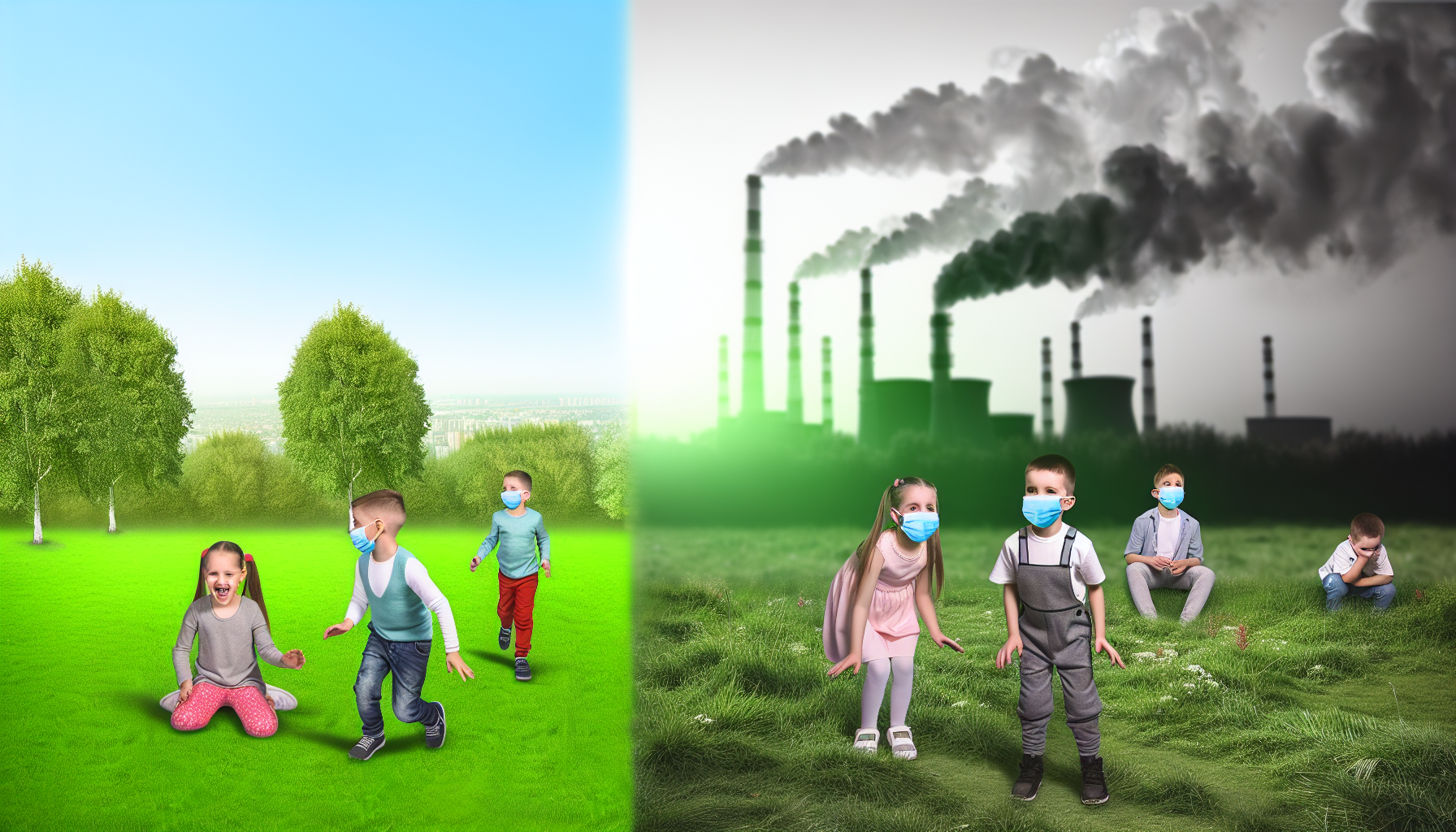
In a troubling revelation, the American Lung Association has released its annual ‘State of the Air’ report, which highlights a significant public health crisis in the United States. The report, made public on April 22, 2026, states that nearly half of America’s children are breathing air that is laden with toxins. This alarming statistic underscores a growing concern as climate change continues to exacerbate air pollution across the country, particularly in vulnerable communities of color.
Key Findings from the Report
The report utilizes data from the Environmental Protection Agency (EPA) covering the years 2022 to 2024. It reveals that more than 129 million people live in counties that fail to meet established ground-level ozone standards. This figure marks an increase of 4 million individuals compared to previous years. The rise in air pollution is attributed to a combination of factors including heat, drought, wildfires, and worsening smog conditions, particularly in the Southwest and Midwest regions.
The Impact on Children
The report highlights the specific vulnerability of children to air pollution. Exposure to toxic air can lead to a variety of health issues, including asthma, developmental problems, and other respiratory diseases. According to the findings, children living in low-income neighborhoods and communities of color are disproportionately affected, raising urgent questions about environmental justice and public health policy. See also climate change impact report.
Regional Insights: Where Are the Problems Worst?
While the national picture is concerning, certain regions are faring worse than others. Areas severely impacted include places with high levels of industrial activity and urban centers where traffic congestion contributes significantly to air quality issues. The report emphasizes that climate change is worsening these conditions, making it imperative for policymakers to address the root causes of air pollution.
Success Stories: Sacramento’s Clean Air Initiatives
Amidst the grim findings, there are success stories that provide hope. For instance, Sacramento, California, has achieved its fewest smog days on record. This progress is attributed to local air-quality initiatives, including the promotion of zero-emission vehicles and improved public transportation options. Additionally, efforts to encourage biking and walking have contributed to a cleaner environment for residents.
The Role of Climate Change
Climate change is a major factor intensifying air pollution levels. The report indicates that rising temperatures lead to increased ozone formation, particularly in urban areas. As the climate crisis continues to unfold, the implications for air quality are dire. Heatwaves and droughts not only exacerbate pollution but also contribute to the frequency and severity of wildfires, which release harmful particulates into the air.
Policy Implications
While the report does not account for the impacts of recent policy changes under former President Donald Trump, it raises critical questions about the future of air quality regulation in the United States. The rollback of environmental protections could have long-lasting effects on air quality and public health, especially for vulnerable populations. Advocates are calling for renewed commitment to robust environmental policies that prioritize clean air for all.
Call to Action
The findings of the ‘State of the Air’ report serve as a clarion call for action. It is essential for communities, policymakers, and environmental advocates to work collaboratively in addressing air pollution challenges. Increasing public awareness, advocating for stricter regulations, and investing in sustainable transportation and energy sources are crucial steps toward ensuring a healthier future for all, particularly for the nation’s children.
Conclusion
The stark reality presented in the American Lung Association’s report cannot be ignored. With nearly half of America’s children exposed to toxic air, the need for immediate and effective action has never been more pressing. As communities grapple with the compounded effects of climate change and air pollution, concerted efforts are necessary to safeguard the health of future generations.


