

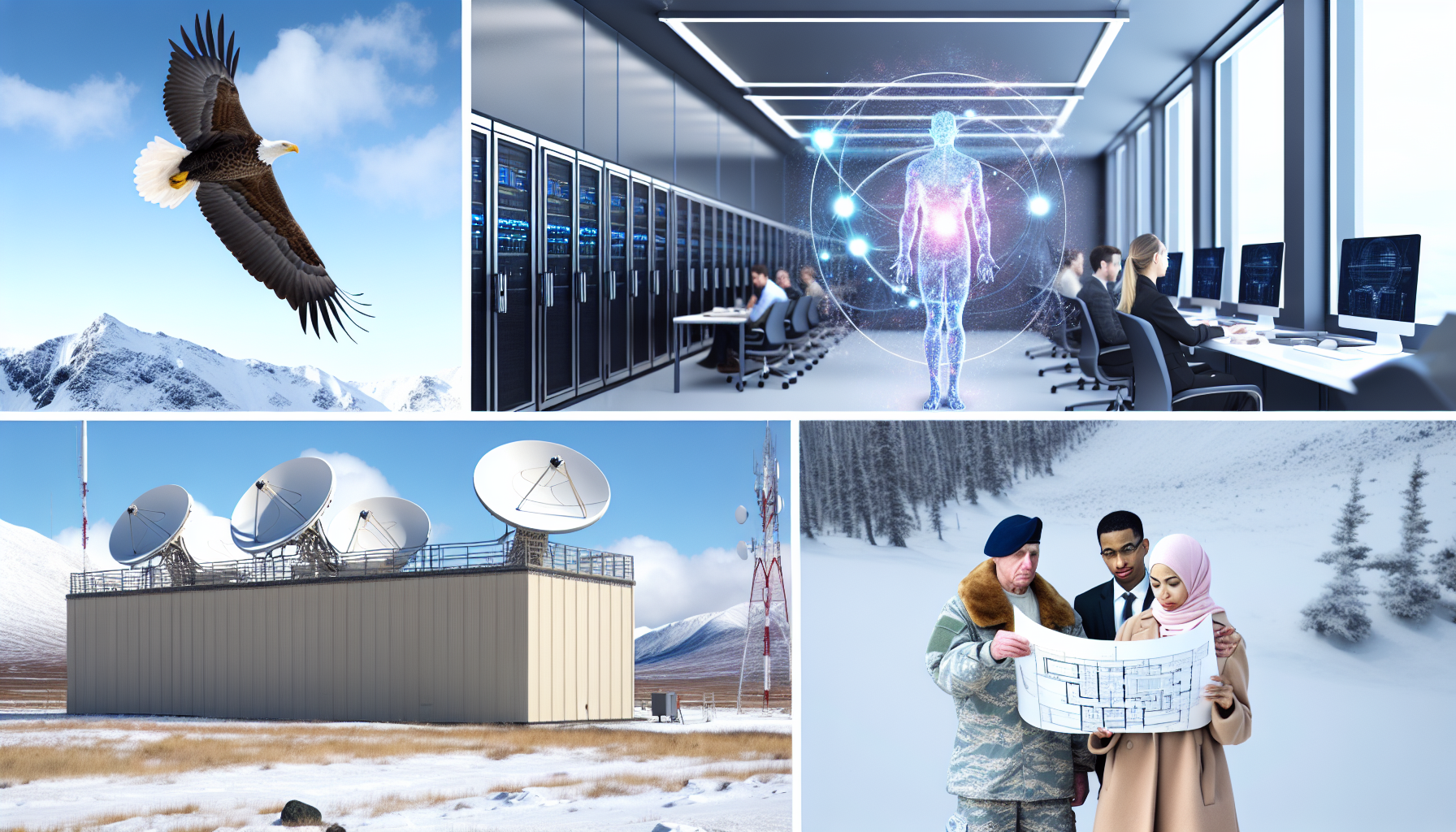
The U.S. Department of the Air Force is set to leap into the future of artificial intelligence with a groundbreaking initiative aimed at fostering the growth of AI infrastructure across its installations in Alaska. On April 10, 2026, the Air Force extended an invitation to tech companies to propose the construction of up to a dozen data centers across three key military sites: Joint Base Elmendorf-Richardson, Clear Space Force Station, and Eielson Air Force Base. This initiative aligns with a broader White House strategy to enhance the nation’s AI capabilities and infrastructure.
Expanding AI Infrastructure
This ambitious project encompasses approximately 4,700 acres of land, providing a significant opportunity for AI companies to establish data centers in a strategically important region. The move is part of a larger federal effort to bolster AI technology across various sectors, including national defense, healthcare, and public services. The Air Force’s commitment to fostering innovation in artificial intelligence is evident as it seeks to harness the capabilities of private sector advancements.
Timeline and Industry Engagement
The Air Force has laid out a clear timeline for the initiative. An industry day is scheduled for April 23, 2026, where potential bidders can learn more about the project and its requirements. Following this, site visits will be conducted in late April to give interested companies a firsthand look at the locations. The final deadline for proposal submissions is set for May 29, 2026, allowing companies ample time to prepare their bids.
The Stargate Initiative
The announcement comes in the wake of significant investments in AI technology, particularly from prominent industry players. In January, a notable meeting was held with President Trump where executives from OpenAI, Oracle, and SoftBank discussed the Stargate initiative, which aims to funnel up to $500 billion into AI projects. This commitment underscores the urgency and importance of developing robust AI infrastructure that can support both commercial and defense applications. See also explore AI career options.
Community Concerns
While the potential benefits of establishing AI data centers are substantial, local communities have expressed concerns regarding the environmental impact of these facilities. Issues surrounding water usage and electricity consumption have sparked protests in some areas. Residents worry about the strain that large-scale data centers could place on local resources, especially in a region where natural resources are already limited.
- Water Usage: Data centers require significant amounts of water for cooling systems, which could impact local water supplies.
- Electricity Consumption: The energy demands of data centers are considerable, raising concerns about reliance on local grids and the potential for increased energy prices.
- Environmental Impact: The construction and operation of these facilities may disrupt local ecosystems and wildlife habitats.
To address these concerns, it is imperative for the Air Force and AI companies to engage in meaningful dialogue with local stakeholders. Transparency regarding resource management and environmental stewardship will be crucial to gaining community support and ensuring that the benefits of AI development do not come at an unsustainable cost.
Strategic Importance of Alaska
Alaska’s geographical positioning is another factor that makes it an attractive site for AI data centers. The state’s proximity to the Arctic, as well as its strategic military installations, provides a unique environment for national security applications of AI technology. As the U.S. government increases its focus on Arctic operations and monitoring, having robust AI capabilities in the region could enhance situational awareness and operational readiness. For more on this, see opportunities in artificial intelligence.
Future of AI in the Military
The integration of AI into military operations is not only about efficiency; it also represents a paradigm shift in how the Department of Defense approaches warfare and defense strategy. AI technologies have the potential to revolutionize logistics, enhance decision-making processes, and improve the overall effectiveness of military operations.
As the Air Force moves forward with its plans, the establishment of data centers in Alaska could serve as a model for future developments at other military bases across the country. The lessons learned in this initiative will likely inform broader strategies regarding AI infrastructure, security, and community relations.
Conclusion
The U.S. Air Force’s invitation for AI companies to build data centers on its Alaskan bases represents a significant step toward advancing the nation’s technological capabilities. However, this initiative also highlights the need for careful consideration of environmental and community impacts. As stakeholders prepare to engage in this new frontier of technology, a balanced approach that prioritizes innovation while respecting local concerns will be essential for the success of this venture.


