

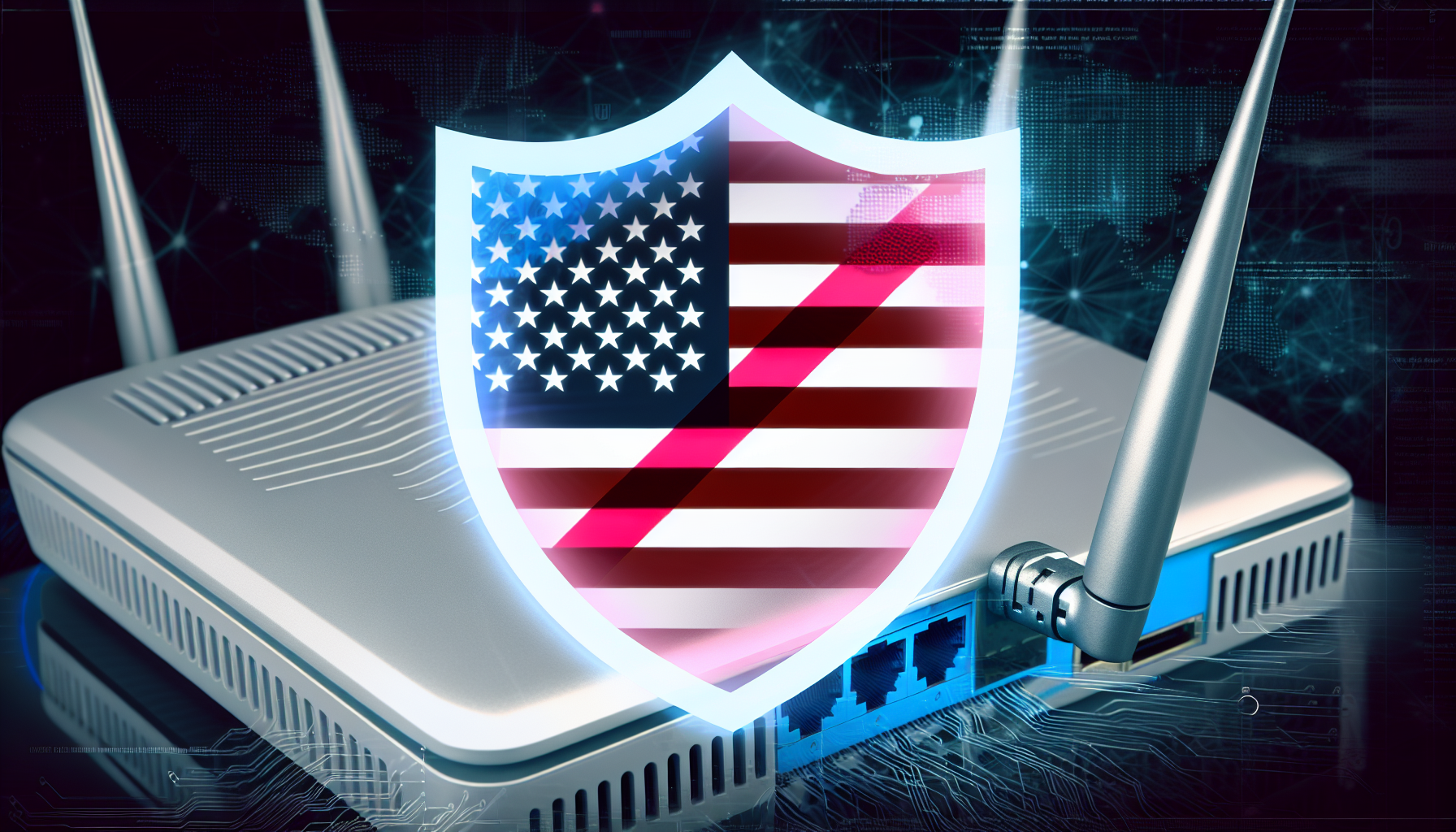
The U.S. Executive Branch has taken a significant step in safeguarding the nation’s cybersecurity by implementing a complete ban on all foreign-made consumer routers. This unprecedented decision has been motivated by growing concerns over supply chain vulnerabilities, which pose serious risks to both the economy and critical infrastructure.
Understanding the Risks
In an era where digital connectivity is paramount, reliance on foreign-produced hardware has become increasingly problematic. The government has identified potential threats from adversaries who could exploit these vulnerabilities within the supply chain. Consumer routers, often viewed as mundane household items, have been flagged as potential gateways for cyberattacks. We covered digital threats landscape in more detail.
The ban reflects a broader trend of heightened awareness regarding supply chain security. Recent incidents, including high-profile breaches and ransomware attacks, have underscored the need for stricter controls over the technology that forms the backbone of daily operations in both public and private sectors. The White House has indicated that the risks associated with foreign-made routers could lead to severe disruptions in essential services, which could, in turn, affect national security.
The Implications of the Ban
While the details surrounding the timeline and enforcement of this ban remain vague, the implications are already being felt across various sectors. Businesses that rely on foreign hardware for their operations are now faced with a pressing need to reassess their supply chains and security protocols.
This decision could also influence consumer behavior, as individuals may now look for domestically-produced alternatives or brands that can guarantee higher security measures. The move is anticipated to stimulate the U.S. tech industry, encouraging manufacturers to ramp up production of secure, domestically-built routers.
Potential Impact on Consumers
For everyday consumers, this ban may mean a transition period as the market adjusts to the new regulations. Shoppers might find fewer options available on the shelves, which could lead to increased prices as supply meets demand. Furthermore, the lack of foreign models could limit choices for users who are accustomed to a wide variety of brands and features.
Nevertheless, the government argues that the long-term benefits of enhanced security outweigh the short-term inconveniences. By removing foreign routers from the equation, the U.S. aims to reduce the risk of surveillance, data breaches, and other cyber threats that could stem from compromised hardware.
The Road Ahead
As the nation navigates this new landscape, it will be crucial for both the government and the private sector to work collaboratively. Manufacturers will need to adapt to the changing regulatory environment, ensuring that their products meet the necessary security standards while remaining competitive in the market.
Moreover, cybersecurity experts emphasize the importance of public awareness regarding the risks associated with foreign-made technology. Consumers should be educated on how to assess the security of the devices they use daily, and the government may need to implement guidelines to help them make informed decisions.
Global Reactions
The U.S. decision to ban foreign-made consumer routers has garnered attention globally. Other nations are watching closely to see how this policy unfolds and whether it will inspire similar measures in their jurisdictions. As countries grapple with their own cybersecurity challenges, the U.S. may be setting a precedent for a more protectionist approach to technology.
Critics of the ban argue that such a sweeping measure could stifle innovation and lead to higher costs for consumers. They express concerns that the exclusion of foreign products could create a less competitive marketplace and limit access to cutting-edge technology.
Conclusion
The U.S. ban on foreign-made consumer routers marks a pivotal moment in the ongoing battle against cyber threats. As the government prioritizes national security, the implications of this decision will echo throughout the tech industry and consumer market. While the immediate effects may cause disruption, the overarching goal is to create a safer digital environment for all Americans.
In the coming months, it will be essential to monitor the developments surrounding this ban, particularly regarding enforcement and compliance measures. The evolving landscape of cybersecurity necessitates that both consumers and businesses remain vigilant and adaptable in the face of new challenges.


