

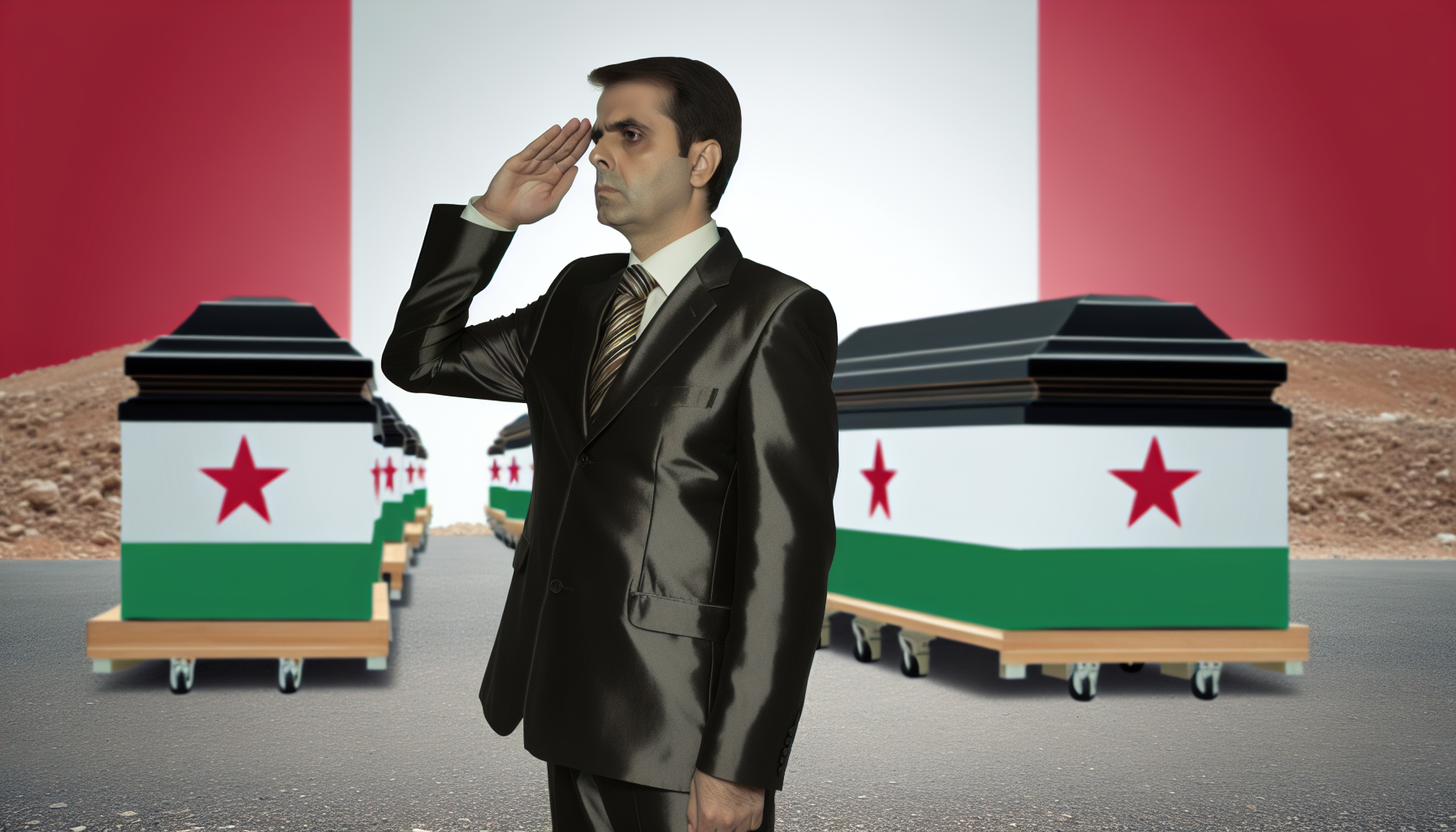
In a somber ceremony marked by gravity and respect, President Donald Trump attended the dignified transfer of six U.S. service members who lost their lives in the ongoing conflict with Iran. The event took place on March 19, as reported by ABC World News Tonight, and served as a poignant reminder of the human cost of the escalating tensions in the Middle East.
Understanding the Current Conflict
The conflict involving U.S. and Iranian forces has escalated dramatically in recent months, with both sides engaging in a series of military actions that have heightened global anxieties. This ongoing war has seen various attacks on key energy infrastructure, further complicating an already fraught geopolitical landscape.
As the U.S. continues its military presence in the region, the loss of these service members underscores the sacrifices made by American troops. The dignified transfer ceremony, which took place at Dover Air Force Base in Delaware, is a solemn ritual where the remains of fallen military personnel are brought home with honor and respect.
A Ceremony of Respect and Remembrance
During the ceremony, President Trump paid tribute to the fallen service members, expressing his condolences to their families and acknowledging the bravery and dedication of those who serve in the armed forces. “These heroes fought valiantly to protect our freedoms,” Trump stated, emphasizing the importance of honoring their sacrifice. Trump Iran Deal analysis offers useful background here.
The ceremony was attended by military officials, family members, and other dignitaries, all of whom gathered to pay their respects. The atmosphere was heavy with emotion as the flag-draped caskets were returned to U.S. soil, symbolizing the ultimate sacrifice made by the service members in defense of their country.
Escalating Tensions in the Middle East
The dignified transfer comes at a time when tensions between the U.S. and Iran are at a boiling point. Recent attacks on energy infrastructure, including oil facilities and shipping routes, have led to increased military responses from both nations. These actions have raised concerns about the potential for wider conflict, drawing in not just regional players but also global powers.
International Reactions and Implications
The international community is closely monitoring the situation, with many countries urging for de-escalation and dialogue. The rising military engagements have raised fears of a prolonged conflict that could destabilize the region. Analysts suggest that the U.S. approach, particularly its military engagements, may have significant repercussions not only for American forces but also for international relations.
- Increased Military Presence: The U.S. has ramped up its military presence in the Persian Gulf, deploying additional troops and equipment to deter Iranian aggression.
- Global Economic Impact: Disruptions in oil supply chains due to attacks on energy infrastructure could lead to significant fluctuations in global oil prices.
- Regional Stability: Ongoing conflicts risk further destabilizing neighboring countries, potentially leading to larger humanitarian crises.
The Human Cost of War
The dignified transfer ceremony serves as a grim reminder of the human cost associated with military conflict. Each service member represents not only a loss for the military but also a profound loss for their families and communities. The emotional impact on families of the fallen is immeasurable, as they grapple with grief while also navigating the complexities of a war that seems to have no clear resolution.
As more service members are deployed, the cycle of loss continues, prompting discussions about the necessity and consequences of military intervention in foreign conflicts. The stories of these six soldiers remind the nation that behind every statistic lies a person—a loved one, a friend, a hero.
Conclusion
The dignified transfer of the six service members killed in the Iran conflict highlights the urgent need for a reconsideration of U.S. military strategy in the region. As President Trump and the nation honor these fallen heroes, it becomes increasingly vital to reflect on the broader implications of ongoing military actions and the long-term impact on both American forces and international relations.
In the face of such loss, the call for peace and resolution grows louder, underscoring the necessity for diplomatic efforts to address the root causes of conflict rather than relying solely on military solutions. The lives lost in this ongoing struggle should serve as a rallying point for seeking a path toward lasting peace.


