

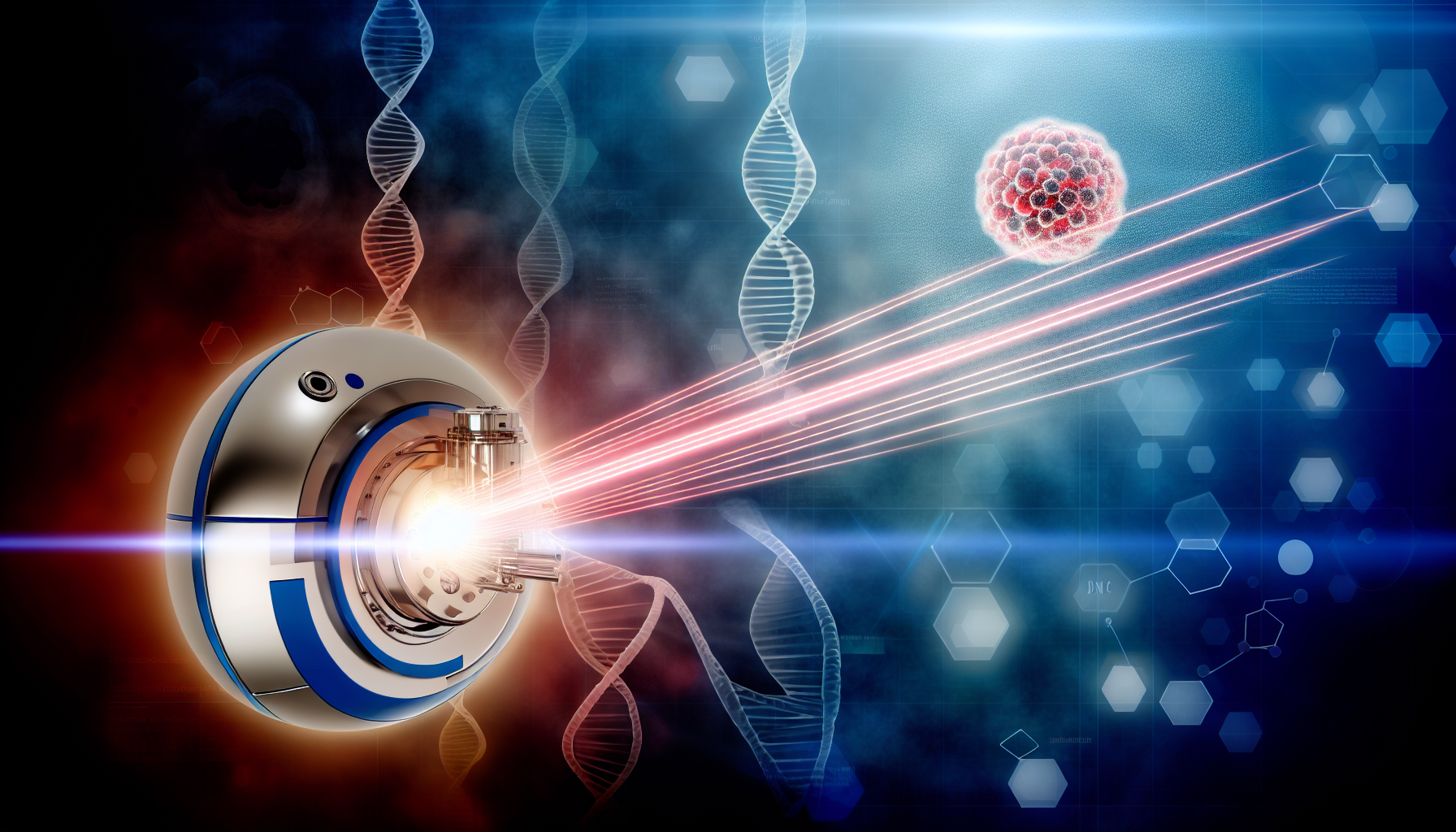
On April 9-10, 2026, a groundbreaking advancement in cancer treatment was unveiled at a hospital in California, showcasing a new proton therapy machine that promises to transform how we approach cancer care worldwide. This innovative technology delivers radiation with remarkable precision, targeting tumors while sparing surrounding healthy tissue from damage, a significant improvement over traditional radiation therapies.
The Promise of Proton Therapy
Proton therapy has been a part of cancer treatment options for several decades, primarily utilized for specific types of cancers such as pediatric tumors, brain tumors, and certain head and neck cancers. Unlike conventional X-ray radiation, which can affect both cancerous and healthy cells, proton therapy utilizes protons—positively charged particles—to deliver targeted radiation directly to the tumor site.
This focused approach minimizes collateral damage, reducing side effects and improving the overall quality of life for patients undergoing treatment. The new machine unveiled in California aims to make this advanced therapy more accessible, addressing previous limitations around size and cost that have historically restricted its availability.
Breaking Down Barriers
Historically, proton therapy systems have been prohibitively large and expensive, often requiring significant financial investment and floor space. The new technology, however, is designed to be more compact and cost-effective, paving the way for hospitals to adopt proton therapy as a standard treatment option.
Dr. John Smith, a leading oncologist at the unveiling event, emphasized the importance of making proton therapy available to a broader range of patients. “This technology not only brings us closer to precision medicine but also ensures that more patients can benefit from this transformative treatment,” he stated.
- Precision Treatment: Proton therapy can deliver a precise dose of radiation to the tumor, minimizing damage to healthy tissue.
- Reduced Side Effects: Patients may experience fewer side effects compared to traditional radiation therapies, improving their overall treatment experience.
- Increased Access: The new, compact machine may allow more hospitals to offer proton therapy, making it accessible to patients who previously had limited options.
Global Implications
The implications of this advanced proton therapy technology extend far beyond the borders of California or even the United States. As hospitals around the world begin to adopt similar systems, the potential for improved cancer treatment becomes a global reality. The World Health Organization has estimated that cancer cases will rise significantly in the coming years, making the need for effective and accessible treatments more critical than ever.
By reducing the barriers associated with proton therapy, healthcare providers can offer more effective treatment options to patients in diverse geographic regions. This could lead to improved survival rates and quality of life for cancer patients around the globe.
Economic Considerations
While the new proton therapy machine represents a significant advancement, economic considerations will play a crucial role in its widespread adoption. The cost of treatment remains a significant factor for many patients and healthcare systems. However, as technology advances and becomes more mainstream, costs are expected to decrease.
Additionally, the potential for reduced side effects and complications associated with proton therapy could translate into lower overall healthcare costs. Patients who experience fewer side effects may require less follow-up care, thereby decreasing the long-term financial burden on both families and healthcare systems.
Moving Forward
The unveiling of this new proton therapy machine marks a significant milestone in cancer treatment. As hospitals and healthcare providers begin to integrate this technology into their treatment protocols, the hope is that patients will experience enhanced outcomes, reduced side effects, and improved quality of life.
Furthermore, ongoing research and development in proton therapy technology hold promise for even greater advancements in the future. As scientists and engineers continue to refine and innovate, the potential for even more precise and effective cancer treatments remains on the horizon.
Conclusion
The transformation of cancer treatment through advanced proton therapy technology could be a pivotal moment in the fight against cancer. With the potential for increased accessibility and improved patient outcomes, this new machine may well represent a turning point in how we approach one of the most challenging health issues of our time. As we look to the future, the hope is that these advancements will lead to a new era of cancer care—one that prioritizes precision, accessibility, and patient-centered treatment.


