

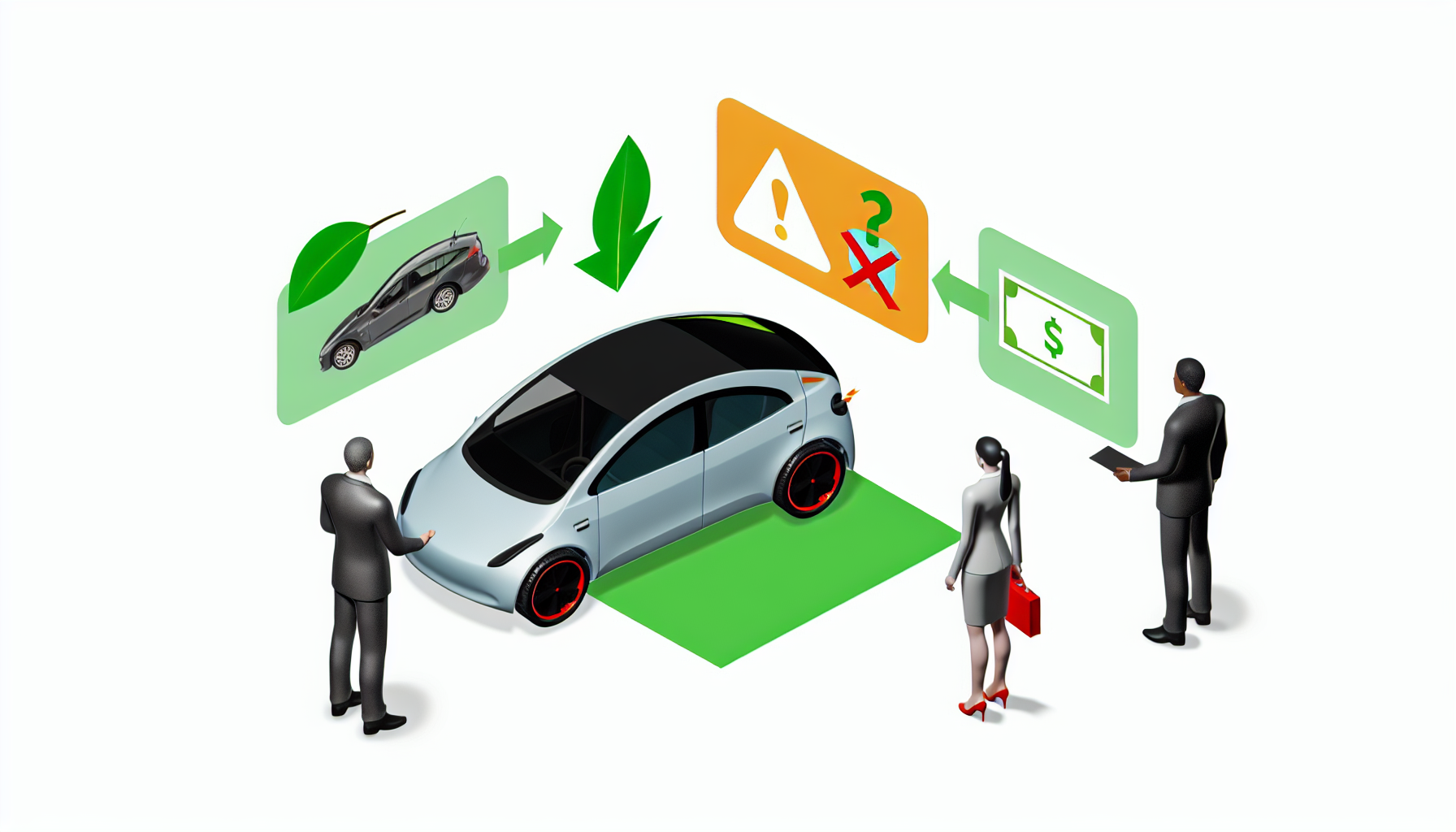
The landscape of the automotive market is rapidly evolving, with electric vehicles (EVs) taking center stage. As consumers become increasingly eco-conscious and governments push for greener alternatives, the demand for EVs has surged. This trend has also resulted in a burgeoning market for used electric vehicles, prompting questions about their value, reliability, and the risks they may pose to buyers. Automotive News reporters recently highlighted key insights into the shifting dynamics of the used EV market and its implications for both dealers and consumers.
Understanding the Used EV Market Shift
The transition to used electric vehicles is not merely a trend; it represents a significant shift in consumer behavior. With new EVs often carrying a hefty price tag, many buyers are turning to the used market as a more affordable alternative. This growing interest in pre-owned EVs is reshaping the automotive landscape, offering new opportunities for dealerships while also presenting challenges.
Market Insights from Automotive Experts
According to the latest analysis from Automotive News, the used EV market is experiencing rapid growth. Data indicates that the resale value of electric vehicles is starting to stabilize, thanks in part to advancements in battery technology and increasing consumer confidence. However, the question remains: do used EVs represent genuine bargains, or are they fraught with potential risks?
Jay Goninen, a technician from WrenchWay, shared his perspective on the technical implications of the expanding used EV market. He emphasized the importance of understanding the nuances of EV technology, particularly concerning battery life and performance. “As the market matures, buyers need to be aware of the specific needs and maintenance requirements of used electric vehicles,” he stated during the discussion.
Evaluating the Value of Used Electric Vehicles
When considering the purchase of a used EV, potential buyers should weigh several factors that can influence both the price and the long-term reliability of the vehicle. Here are some key points to consider:
- Battery Health: One of the most critical aspects of an electric vehicle is its battery. Battery degradation can significantly affect the vehicle’s range and performance. Buyers should seek out vehicles with a well-documented battery history and consider models that offer warranties or guarantees.
- Market Availability: The availability of used EVs is rapidly increasing, with a growing number of manufacturers entering the market. This influx has led to greater competition among sellers, which can drive prices down and create opportunities for buyers.
- Incentives and Rebates: Some states offer incentives for purchasing used EVs, making these vehicles even more appealing. Buyers should research local programs that may provide financial assistance or tax credits.
- Technological Features: As EV technology evolves, older models may lack the latest advancements. Buyers should consider whether the features of a used EV meet their needs, particularly in terms of range, charging speed, and infotainment systems.
Potential Risks in the Used EV Market
While the used EV market holds promise, it is not without risks. Buyers should be aware of potential pitfalls that could impact their investment:
- Limited Knowledge: Many consumers may not fully understand the intricacies of electric vehicles, making them vulnerable to poor purchasing decisions. Educating oneself about EV technology is crucial.
- Uncertain Future Value: The resale value of used EVs can be unpredictable. As new models with better technology enter the market, older models may depreciate more quickly than expected.
- Maintenance and Repairs: Electric vehicles have different maintenance needs compared to traditional gas-powered cars. Finding qualified technicians who understand EV technology can be a challenge, especially in rural areas.
Advice for Prospective Buyers
For consumers considering a used electric vehicle, taking a cautious approach is essential. Here are some strategies to ensure a successful purchase:
- Research Thoroughly: Investigate various makes and models, focusing on consumer reviews and reliability ratings. Websites like the National Highway Traffic Safety Administration (NHTSA) can provide valuable information on recalls and safety ratings.
- Get a Professional Inspection: Before finalizing a purchase, have the vehicle inspected by a qualified technician who specializes in electric vehicles. This step can uncover potential issues that may not be apparent during a test drive.
- Check Battery Warranty: Ensure that the vehicle comes with a battery warranty, as this can provide peace of mind regarding battery health and longevity.
- Consider Future Needs: Think about your driving habits and whether a used EV fits your lifestyle. Evaluate range requirements and charging accessibility in your area.
Conclusion
The used electric vehicle market presents an exciting opportunity for consumers looking to enter the world of electric mobility without the hefty price tag of new models. However, as with any significant purchase, potential buyers must approach this market with caution, armed with knowledge and awareness of the unique challenges associated with used EVs. By doing so, buyers can navigate this evolving landscape and make informed decisions that align with their needs and values.


