

Introduction
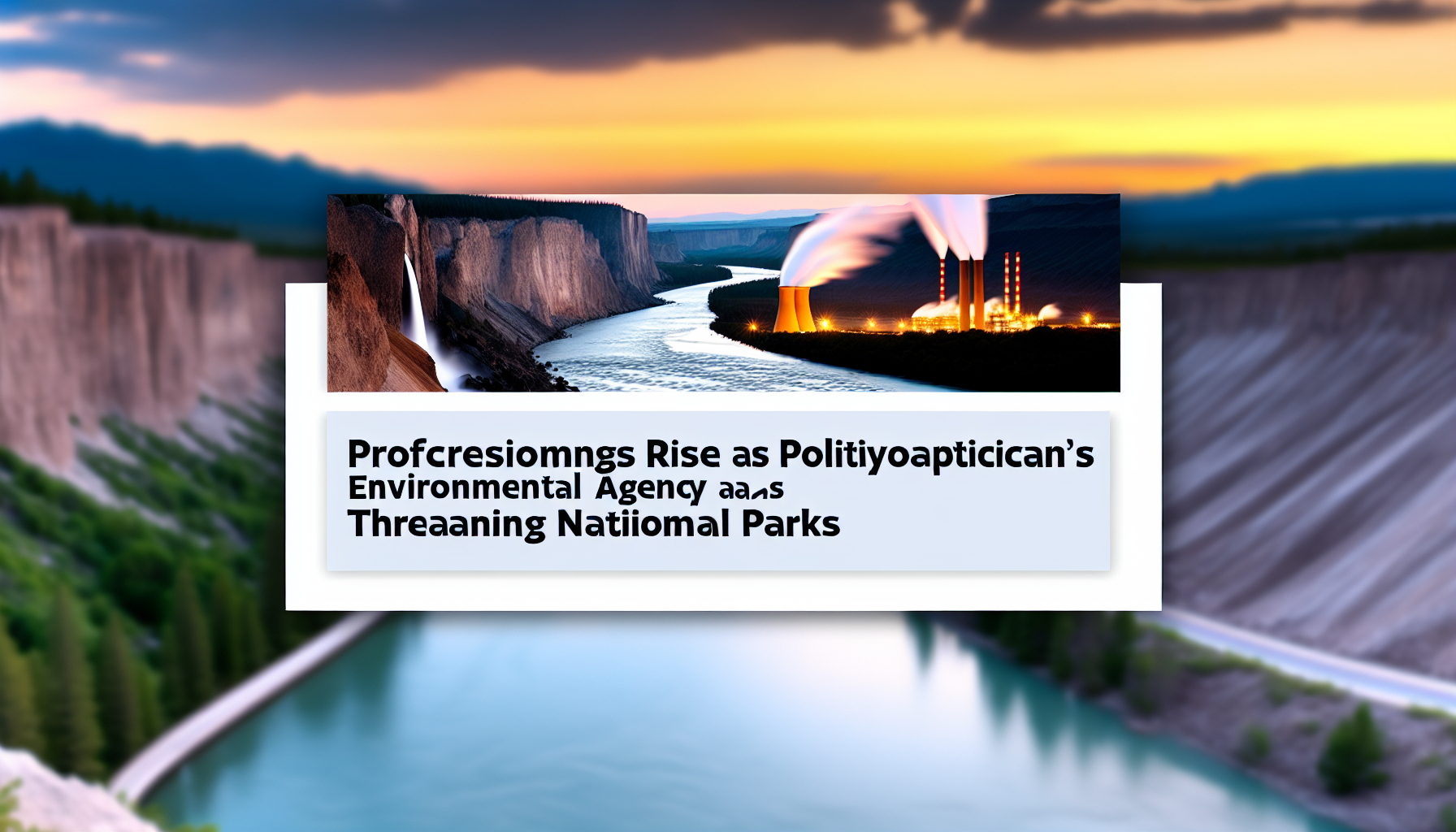
In a significant policy shift, the Environmental Protection Agency (EPA) under the Trump administration has approved West Virginia’s air quality plan, raising alarms among conservationists and environmental groups. This decision marks a departure from the stricter standards set during the Biden administration and could lead to increased haze and pollution in some of the nation’s most cherished natural landscapes, including Shenandoah National Park, Great Smoky Mountains National Park, and Mammoth Cave National Park.
Key Changes in Air Quality Regulations
The recently approved plan allows coal-fired power plants in West Virginia to bypass rigorous pollution control evaluations as long as they meet specific visibility benchmarks. This exemption has significant implications for the air quality in national parks, which are often affected by emissions from nearby industrial facilities.
Historically, visibility standards have been a crucial part of the Clean Air Act, aimed at protecting the scenic vistas of national parks from the adverse effects of air pollution. However, under the current policy, only one of the five coal plants that were required to undergo evaluations has complied. The remaining plants either cited existing restrictions or claimed they met the necessary benchmarks without further assessment.
Impact on National Parks
The implications of this policy are dire for the national parks situated near coal plants. Haze, often caused by pollutants like sulfur dioxide and nitrogen oxides, can obscure views and diminish the overall experience for park visitors. The National Parks Conservation Association (NPCA), the Sierra Club, and Earthjustice are among the organizations leading the charge against this policy, warning that it could lead to a marked deterioration of air quality in these protected areas.
Specific Parks at Risk
- Shenandoah National Park: Located in Virginia, this park is known for its breathtaking views along the Blue Ridge Mountains, but it has already been impacted by haze from nearby coal plants.
- Great Smoky Mountains National Park: This park, straddling the border of North Carolina and Tennessee, is particularly vulnerable due to its proximity to numerous coal-fired power plants in the region.
- Mammoth Cave National Park: As the world’s longest cave system, Mammoth Cave is not only a geological wonder but also an ecosystem that could suffer from increased air pollution.
Legal Challenges and Conservation Efforts
In response to these alarming developments, environmental groups have initiated legal action against the EPA, arguing that the approval of West Virginia’s plan is not only detrimental to air quality but also violates the provisions of the Clean Air Act. They assert that the changes undermine years of progress made in reducing pollution and protecting the natural beauty of national parks.
“This policy opens the door for ongoing pollution from coal plants, even as many facilities are being forced to close or switch fuels,” said a representative from the NPCA. “It is a significant setback for our national parks, which are supposed to be protected from such industrial impacts.” For more on this, see lawsuit against the Trump administration.
Broader Implications Beyond West Virginia
The approval of West Virginia’s air quality plan is not an isolated case. Similar policies have been implemented in other states, including California, which raises concerns about a potential nationwide trend toward relaxing air quality regulations. This raises questions about the long-term sustainability of environmental protections across the United States.
As more states seek to bolster their economies by prioritizing fossil fuel industries, the risk of air pollution and its impact on public health and the environment could increase. Experts warn that this could lead to a rollback of decades of environmental gains made under previous administrations.
Public Awareness and Future Actions
As conservationists mobilize and legal battles unfold, public awareness around these issues is critical. National parks represent not only ecological treasures but also vital resources for tourism and recreation, contributing significantly to local economies. The deterioration of air quality can have far-reaching consequences for both the environment and the economy.
Individuals interested in supporting preservation efforts can engage in various ways, including:
- Contacting local representatives to express concerns about air quality regulations.
- Participating in local and national conservation efforts.
- Educating others about the importance of maintaining stringent air quality standards to protect natural landscapes.
Conclusion
The recent decisions made by the Trump administration’s EPA regarding air quality in West Virginia symbolize a broader trend that could jeopardize the health of national parks across the United States. As legal challenges arise and conservation groups rally to protect these vital ecosystems, it is imperative that the public remains informed and engaged in the fight for cleaner air and preserved natural beauty.


