

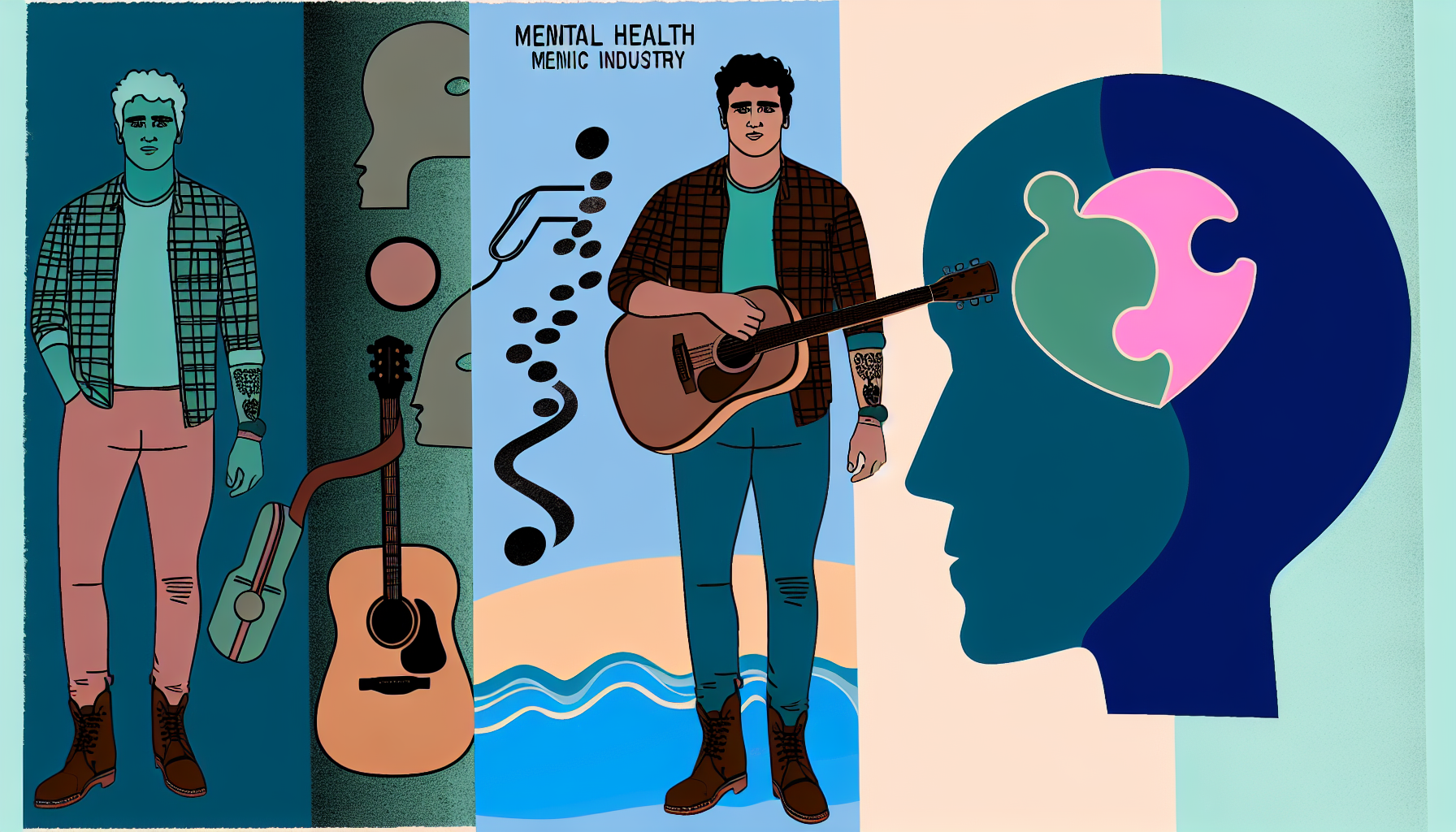
In a heartfelt announcement that has resonated with fans and the music community alike, Saskatchewan musician Colter Wall revealed on March 11, 2026, that he is taking an indefinite hiatus from live performances to prioritize his mental health. The news, shared via Instagram, highlights an increasingly important conversation around mental well-being in the demanding world of music.
Colter Wall’s Personal Struggle
Known for his deep, resonant voice and storytelling prowess, Wall has become a beloved figure in the folk and country music scenes. However, he recently disclosed that he has been “mentally unwell” and has struggled with the pressures of touring. Despite his ongoing battle, he pushed himself to continue performing, a decision that ultimately exacerbated his mental health issues.
In his Instagram post, Wall expressed the weight of his struggles, stating that the demands of his career had taken a toll on his mental state. His candid nature about his struggles has drawn both support and concern from his fans, who admire his bravery in addressing such a personal topic.
The Impact of Touring on Mental Health
The music industry is notorious for its high-pressure environment, which often leads to mental health challenges among artists. Constant travel, long hours, and the pressure to perform can take a substantial toll on musicians, leading to anxiety, depression, and burnout. For many artists, the expectation to maintain a public persona can make it difficult to address their mental health needs.
- Isolation: Musicians often find themselves away from family and friends for extended periods, leading to feelings of loneliness.
- Pressure to Succeed: The competitive nature of the industry can create immense pressure to achieve and maintain success.
- Unpredictable Schedules: Irregular hours and constant travel can disrupt sleep patterns and lead to unhealthy lifestyles.
Wall’s decision to cancel all upcoming performances underscores the importance of prioritizing mental health over professional obligations. This choice serves as an example for other artists who may be grappling with similar issues.
Breaking the Stigma
Colter Wall’s transparency about his mental health challenges contributes to a broader movement aimed at breaking the stigma surrounding mental illness in the music industry. By openly discussing his struggles, Wall helps to normalize conversations about mental health, encouraging others to seek help and prioritize their own well-being.
Major artists, including Lady Gaga and Kid Cudi, have also spoken out about their mental health journeys, emphasizing that vulnerability can be a source of strength. Wall’s announcement is part of this growing trend, where artists recognize that their mental health is just as vital as their physical health.
The Importance of Support
As Wall takes this necessary break for his mental well-being, the support of his fans and the music community will be crucial. Here are some ways fans and fellow musicians can show their support:
- Encouragement: Sending messages of love and understanding can help artists feel less isolated.
- Advocacy: Supporting mental health organizations can help raise awareness and resources for those in need.
- Patience: Recognizing that artists may need time away to heal is essential for fostering a supportive environment.
Looking Ahead
While Wall’s indefinite hiatus may leave fans longing for his music, it is crucial to understand that this time off is a step toward healing and recovery. As he focuses on his mental health, there is hope that he will return stronger and more resilient than ever.
In an industry that often overlooks the mental health of its artists, Wall’s decision serves as a powerful reminder of the importance of self-care. By prioritizing mental health, artists like Colter Wall can inspire others to do the same, creating a healthier and more supportive music industry for everyone. This builds on AI therapy chatbots.
As we reflect on Wall’s courageous choice, it is essential to continue the conversation about mental health in the music community. Let us support our artists, acknowledge their struggles, and encourage a culture that values well-being above all else.


