

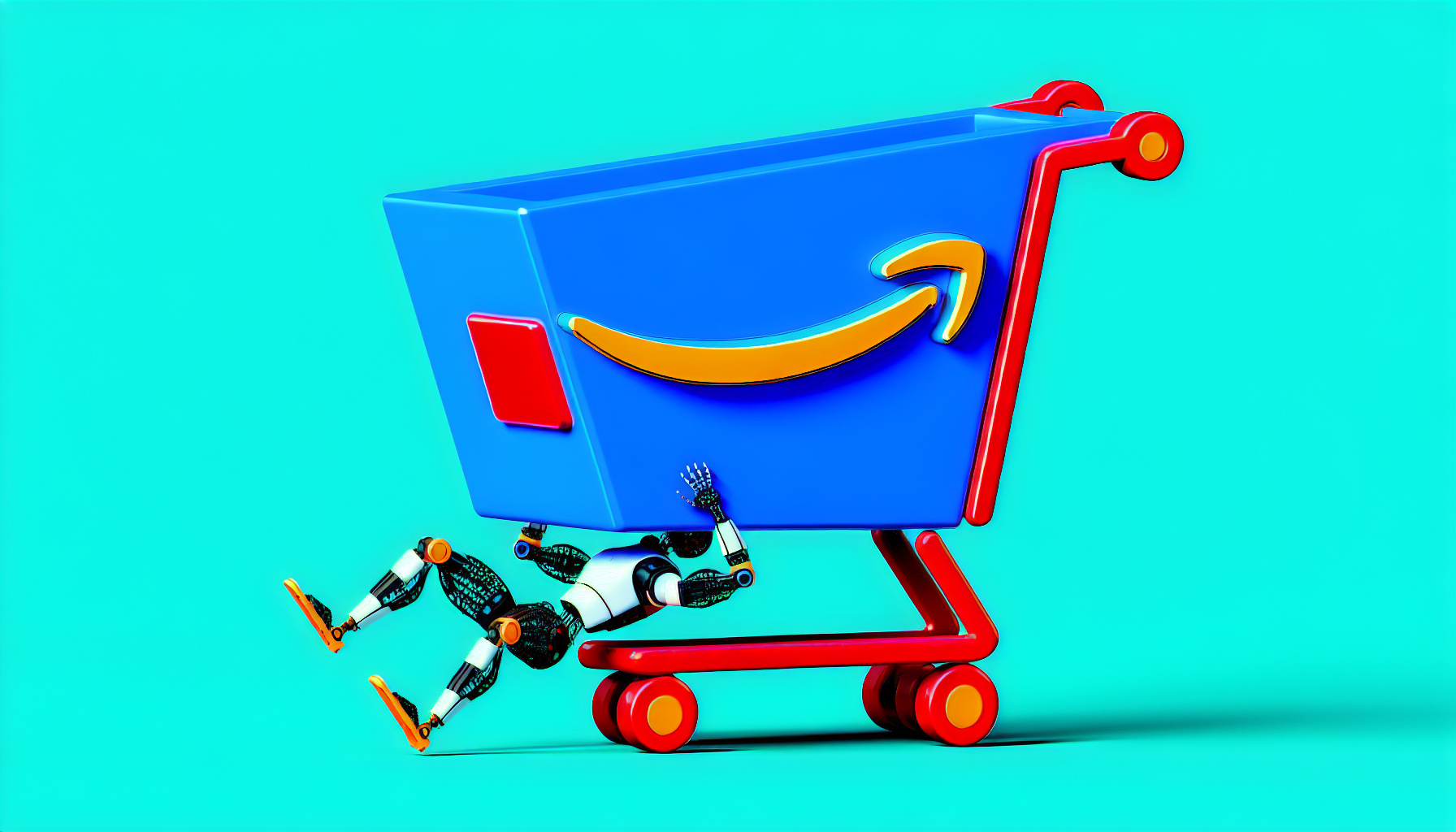
Amazon has taken a significant step into the world of humanoid robotics with its recent acquisition of Fauna Robotics, a New York-based startup known for its innovative product, the Sprout humanoid robot. This strategic purchase, which follows closely on the heels of Sprout’s official unveiling, underscores Amazon’s commitment to enhancing customer experiences through advanced technology.
The Sprout Humanoid Robot
Fauna Robotics has developed Sprout as a multifunctional humanoid robot designed to operate within social environments such as homes, schools, and other educational institutions. Unlike traditional robots that are often limited to specific tasks, Sprout aims to engage with humans in a more interactive and meaningful way. The robot’s ability to learn from user interactions could potentially revolutionize how we perceive assistance in domestic and academic settings. OpenAI's bold prediction offers useful background here.
Features and Capabilities
Sprout is equipped with a range of advanced features that allow it to adapt and respond to its surroundings. Some key attributes include:
- Interactive Learning: Utilizing AI algorithms, Sprout can learn from its interactions, allowing it to improve its responses and capabilities over time.
- Social Engagement: Designed to facilitate conversations and interactions, Sprout can act as a companion for individuals, particularly children and the elderly.
- Educational Support: In academic settings, Sprout can assist teachers by engaging students in interactive learning experiences.
- Adaptability: The robot is designed to operate in various environments, making it suitable for diverse applications.
This blend of features positions Sprout as a versatile tool that could significantly enhance both personal and educational interactions.
Amazon’s Vision for Robotics
The acquisition aligns with Amazon’s broader vision to integrate robotics into everyday life. As the company continues to innovate in fields like artificial intelligence and machine learning, bringing Fauna Robotics into the fold allows Amazon to leverage its existing technological infrastructure and expertise in e-commerce.
Amazon’s foray into robotics is not new; the company has previously invested in various robotic technologies to streamline its logistics and supply chain operations. With the addition of Fauna Robotics, Amazon aims to explore new avenues, particularly in customer engagement through humanoid robots.
Implications for the Future
This acquisition not only enhances Amazon’s capabilities in the robotics sector but also raises interesting questions about the future of humanoid robots in everyday life. As society becomes increasingly reliant on technology, the integration of robots like Sprout could reshape how we interact with machines.
Some potential implications include:
- Enhanced Customer Experience: Humanoid robots could provide personalized assistance to customers in retail environments, improving overall satisfaction.
- New Educational Tools: Schools could implement humanoid robots to facilitate learning, making education more engaging and interactive.
- Home Assistance: For families, a humanoid robot could serve as a household assistant, managing tasks and providing companionship.
The potential for humanoid robots to transform various sectors is immense, and Amazon’s investment in Fauna Robotics is a significant move in that direction.
The Future of Fauna Robotics
Following the acquisition, Fauna Robotics’ founders and staff will relocate to New York to further develop Sprout and explore new methods for improving customer lives. This transition represents an exciting opportunity for the team to collaborate with Amazon’s vast resources, enabling them to enhance Sprout’s capabilities and reach.
With Amazon’s backing, Fauna Robotics can expect to accelerate its research and development efforts, potentially leading to new iterations of Sprout and other robotic innovations. As they continue to refine their platform, Fauna aims to serve as a valuable software development tool for academic and corporate research institutions interested in domestic robotics applications.
Conclusion
Amazon’s acquisition of Fauna Robotics marks a pivotal moment in the evolution of humanoid robotics. The integration of Sprout into Amazon’s ecosystem could herald a new era of customer interaction, educational tools, and home assistance. As technology continues to advance, the role of humanoid robots in our lives is likely to expand, driven by innovations from companies like Amazon and Fauna Robotics.
As we watch this space evolve, one thing is clear: the future of humanoid robots is bright, and the potential for improving quality of life is significant.


