

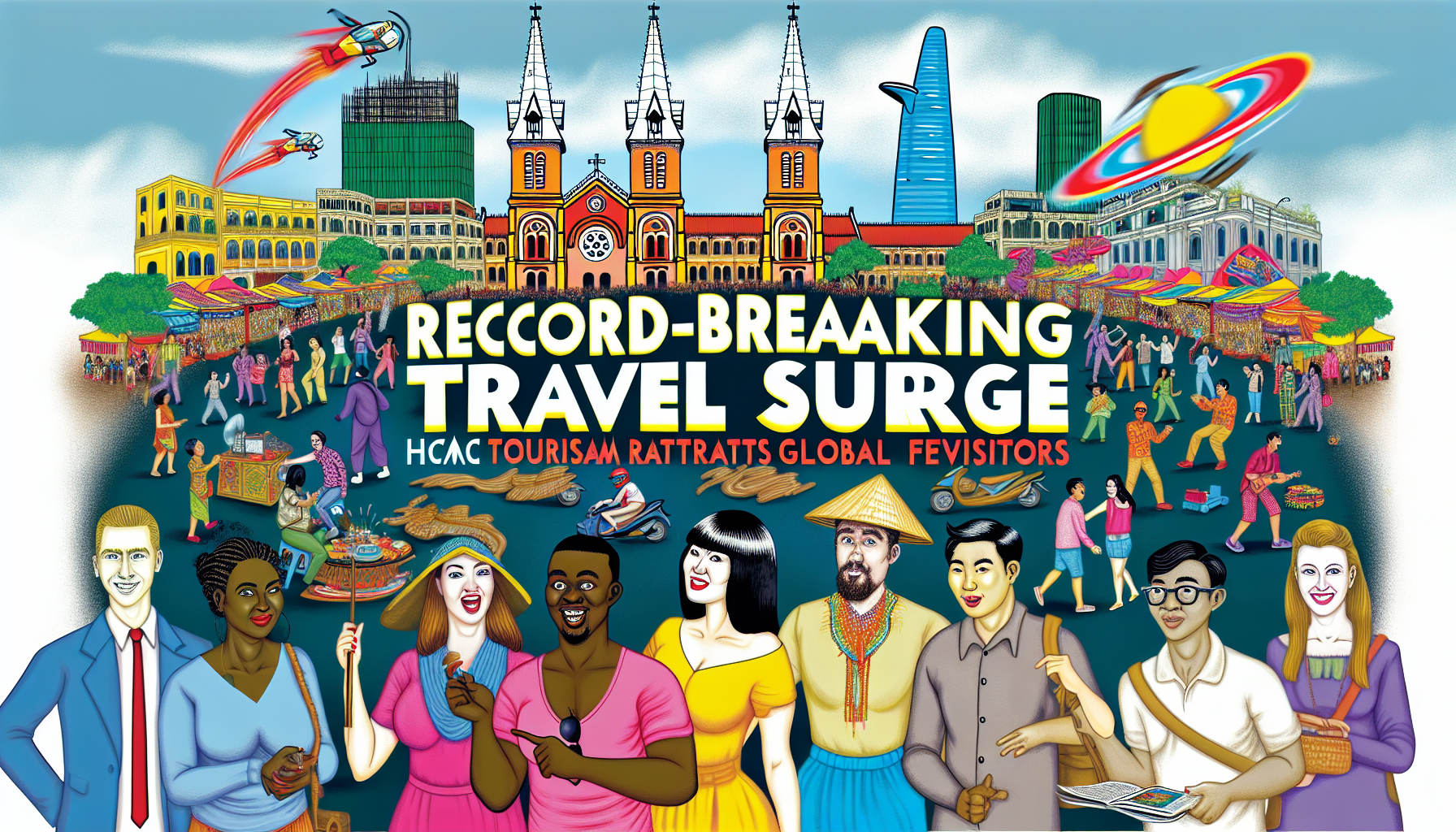
As international travel begins to rebound, the Ho Chi Minh City (HCMC) Tourism Festival has emerged as a beacon for travelers from around the globe. This year, the United States has joined a diverse group of nations, including South Korea, China, Japan, and India, in flocking to this vibrant festival, marking a significant surge in tourism to Vietnam. The influx of visitors has prompted both Vietnam Airlines and VietJet Air to enhance their flight services, accommodating the record-breaking number of attendees drawn to this event.
The Significance of the HCMC Tourism Festival
The HCMC Tourism Festival has become an annual highlight on Vietnam’s cultural calendar, showcasing the country’s rich heritage, culinary delights, and stunning landscapes. This year’s event, which takes place in the bustling heart of the city, serves not only as a celebration of local tourism but also as a platform for international tourism stakeholders to connect and collaborate.
Record Attendance from Global Travelers
With the participation of visitors from a wide array of countries, the festival is testament to the growing global interest in Vietnam’s diverse tourism offerings. The surge in attendance is particularly notable, as international travel has been gradually recovering post-pandemic. Travelers from the USA, South Korea, China, Japan, and India are eager to explore the cultural and historical attractions that Ho Chi Minh City has to offer.
Flight Capacity Increases to Meet Demand
To support this influx of tourists, Vietnam Airlines and VietJet Air have announced plans to boost their flight capacities. Vietnam Airlines, the national flag carrier, is set to increase the frequency of its flights from major hubs, while VietJet Air, known for its budget-friendly options, is expanding its routes to ensure that visitors have ample choices for travel. This strategic move not only caters to the immediate needs of the festival but also positions these airlines for long-term growth in the burgeoning tourism sector.
Exploring Ho Chi Minh City’s Attractions
Ho Chi Minh City, once known as Saigon, is a vibrant metropolis that offers a unique blend of traditional Vietnamese culture and modern urban life. Visitors can immerse themselves in the local culture by exploring the city’s famous landmarks, including:
- The War Remnants Museum: A poignant reminder of Vietnam’s turbulent history, this museum provides insights into the Vietnam War through powerful exhibits.
- Ben Thanh Market: A bustling marketplace where tourists can shop for local handicrafts, textiles, and delicious street food.
- Notre-Dame Cathedral Basilica of Saigon: A stunning example of French colonial architecture, this iconic cathedral is a must-visit for history and architecture enthusiasts.
- Cu Chi Tunnels: Located just outside the city, these historic tunnels offer a glimpse into the ingenuity of Vietnamese soldiers during the war.
In addition to its historical landmarks, Ho Chi Minh City boasts a thriving culinary scene, with options ranging from street food stalls to high-end restaurants, allowing visitors to savor authentic Vietnamese cuisine.
The Economic Impact of Tourism
The surge in tourism to Ho Chi Minh City has significant implications for the local economy. As more international visitors arrive, businesses in the hospitality and service sectors are likely to see increased revenues. Hotels, restaurants, and local attractions are positioned to benefit from the heightened demand, which can lead to job creation and economic growth.
Moreover, the festival fosters opportunities for local artisans and entrepreneurs to showcase their products and services to a global audience. This not only bolsters local economies but also promotes cultural exchange and understanding.
Future Prospects for Ho Chi Minh City Tourism
The participation of the USA and other countries in the HCMC Tourism Festival signals a promising future for Vietnam’s tourism industry. As travel restrictions continue to ease, the potential for increased international tourism is vast. The government of Vietnam is actively working to enhance infrastructure and promote the country’s attractions to make it a top destination for travelers worldwide.
In addition to the tourism festival, various initiatives are being implemented to promote responsible and sustainable tourism, ensuring that the natural beauty and cultural heritage of Vietnam are preserved for future generations.
Conclusion
The HCMC Tourism Festival not only highlights the rich cultural tapestry of Vietnam but also underscores the country’s growing appeal as a travel destination. With record attendance from international travelers and increased flight capacities from major airlines, it is clear that Ho Chi Minh City is on the rise as a hub for global tourism. As visitors continue to flock to this vibrant city, the economic and cultural benefits will undoubtedly enrich the local landscape for years to come.


