

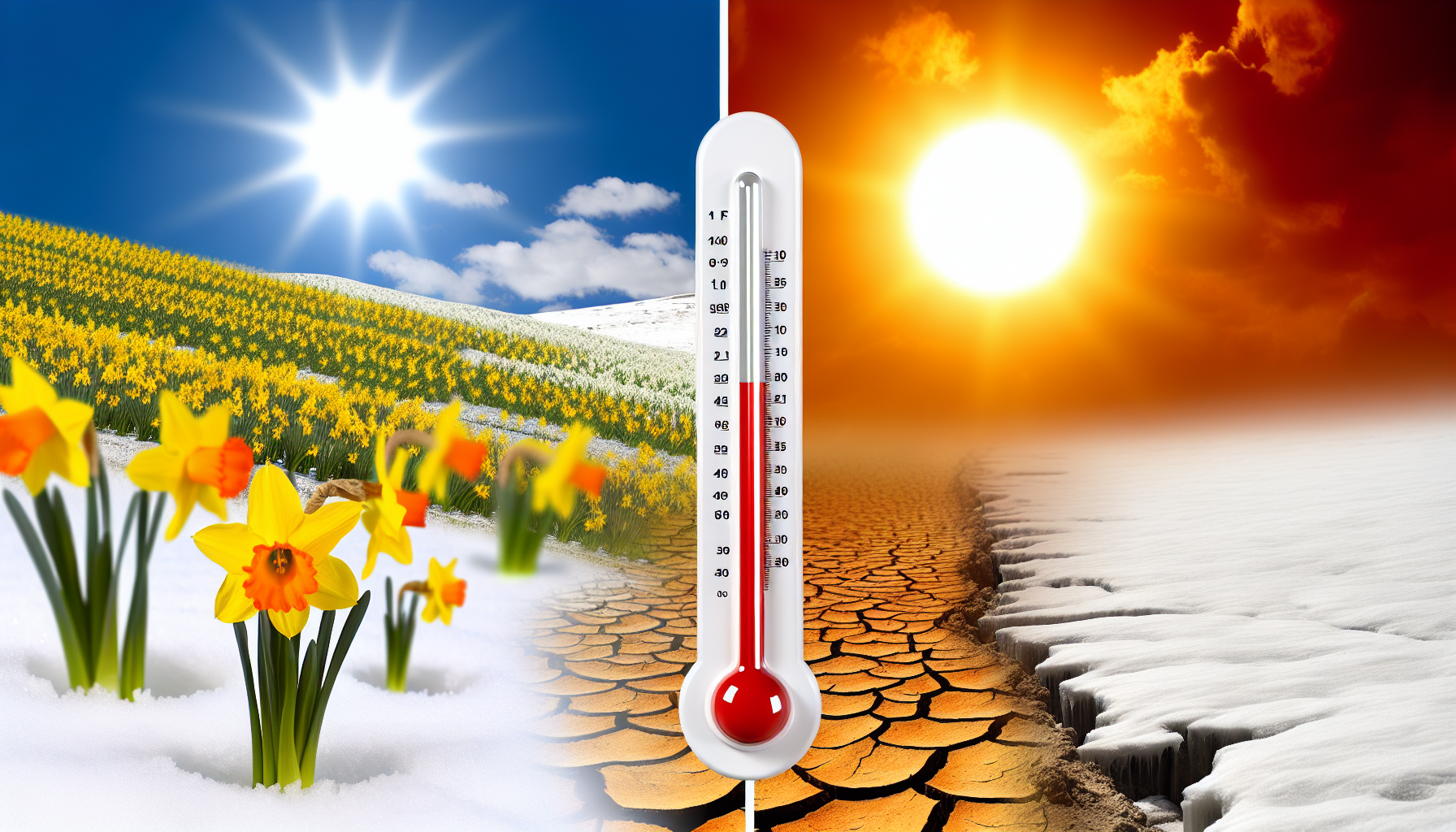
In March 2026, an extreme heat event swept across the Southwest United States and northwest Mexico, marking one of the most severe heat waves in recorded history. The event, characterized by record-breaking temperatures, has been attributed to human-induced climate change, underscoring the urgent need to address global warming and its inevitable consequences.
Record-Breaking Temperatures
This March, temperatures soared to unprecedented levels, shattering records that had stood for decades. Multiple regions experienced extreme heat, with some areas recording temperatures that were nearly impossible to fathom for this time of year. For instance, many cities reported highs exceeding 90 degrees Fahrenheit, a glaring anomaly for early spring.
Experts have emphasized that such extreme weather events are becoming increasingly common due to climate change. A recent analysis concluded that this heat wave would have been virtually impossible without the influence of human activity on the climate. The findings align with broader scientific consensus regarding the relationship between greenhouse gas emissions and rising global temperatures.
Climate Change: The Driving Force
The connection between climate change and extreme weather events is well-documented. As greenhouse gas emissions continue to rise, the planet’s temperature increases, leading to a cascade of environmental changes. This particular heat wave serves as a stark reminder of how quickly these changes can manifest in real-world impacts. There’s a fuller look at health threats from extreme heat.
According to climatologists, the phenomenon of extreme heat events is closely tied to the overall warming of the Earth. The Intergovernmental Panel on Climate Change (IPCC) has warned that without significant reductions in carbon emissions, such events will become more frequent and severe.
Impacts on the Environment and Communities
The ramifications of this record heat are profound and multifaceted. Ecosystems are already feeling the strain, with increased temperatures leading to changes in habitat suitability for various species. The risk of wildfires, which are exacerbated by dry and hot conditions, escalates dramatically during such heat waves, posing threats to both human and wildlife populations.
Communities in affected regions are also facing significant challenges, as extreme heat can lead to health crises, particularly among vulnerable populations. Elderly individuals, children, and those with pre-existing health conditions are particularly at risk during heat waves. Additionally, increased demand for electricity to cool homes and businesses can strain power grids, leading to outages and further complications for residents. See also impact on home values report.
Broader Patterns of Weather Extremes
This March heat wave is not an isolated incident but part of a larger trend of intensified early-season weather extremes. As climate change continues to reshape weather patterns, we can expect to see more frequent and severe storms, floods, and droughts. These changes threaten not only local ecosystems but also global food security as agricultural patterns are disrupted.
Climate scientists are urging immediate action to mitigate the effects of climate change. The longer we delay in addressing the root causes of global warming, the more severe and frequent these extreme weather events will become. Transitioning to renewable energy sources, enhancing energy efficiency, and implementing sustainable agricultural practices are essential steps in combating climate change.
Call to Action
As individuals, communities, and governments gear up to face the consequences of climate change, it is crucial to engage in proactive measures that can lessen our carbon footprint. Here are some steps that can be taken:
- Support Renewable Energy: Advocating for and investing in renewable energy sources such as solar, wind, and hydroelectric power can significantly reduce greenhouse gas emissions.
- Enhance Energy Efficiency: Implementing energy-efficient practices in homes and businesses can decrease energy consumption and lower emissions.
- Engage in Sustainable Practices: Supporting sustainable agriculture and local food systems can minimize the environmental impact of food production.
- Advocate for Policy Change: Engaging with policymakers to push for legislation that addresses climate change can help accelerate the transition to a sustainable future.
The March 2026 heat wave serves as a crucial reminder of the urgent need for collective action against climate change. Without immediate and sustained efforts, we risk facing even more extreme weather events that will only exacerbate the challenges we already face.
Conclusion
The extreme heat experienced in March 2026 is a clear indicator of the profound changes taking place in our climate system. As we grapple with the realities of climate change, it is imperative that we acknowledge the role of human activity in driving these changes. By taking proactive steps to mitigate our impact on the environment, we can work towards a more sustainable and resilient future for all.


