

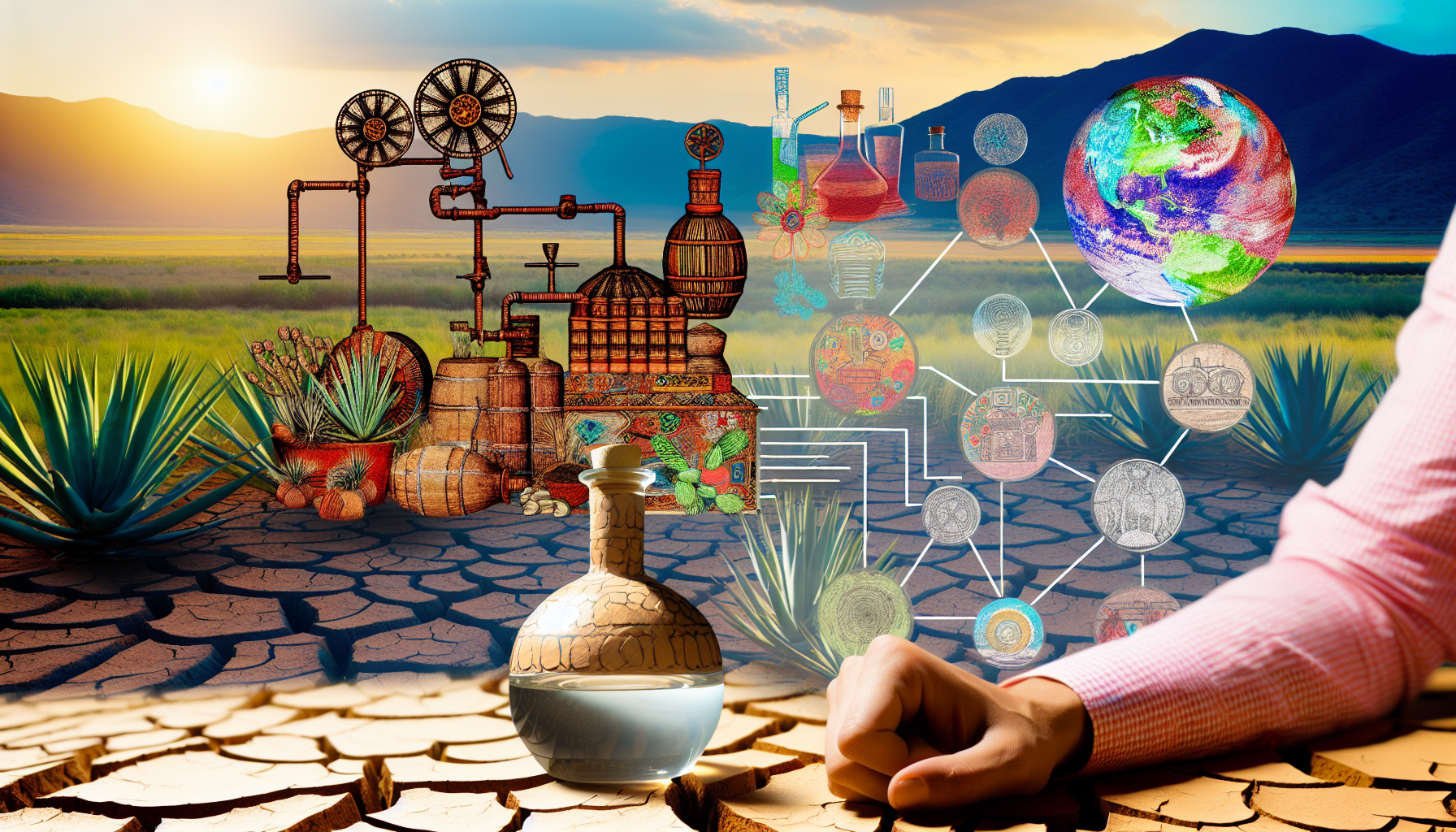
In recent years, mezcal has transcended its traditional roots in Mexico to become a global phenomenon, with its popularity surging thanks to celebrity endorsements and a growing appreciation for artisanal spirits. Brands like Dos Hombres, created by Breaking Bad stars Bryan Cranston and Aaron Paul, have played a pivotal role in amplifying mezcal’s reach beyond its native confines. However, this rise in demand comes at a significant environmental cost, raising critical questions about sustainability and the future of this cherished beverage.
The Agave Boom
Mezcal’s unique flavor profile and artisanal production methods have captured the interest of consumers worldwide, leading to increased production and consumption. Recent studies indicate that agave plantations in key mezcal-producing regions have expanded by over 400 percent over the past three decades. This explosive growth has resulted in the conversion of forests and farmland into extensive fields of espadin agave, the primary variety used for mezcal production.
Environmental Consequences
While the economic benefits for local communities are evident, the environmental implications of this boom are alarming. The expansion of agave plantations is contributing to:
- Soil Erosion: The removal of native vegetation to make way for agave has accelerated soil degradation, leading to increased erosion.
- Reduced Carbon Capture: The transformation of forests into agave fields is estimated to limit carbon dioxide absorption by approximately 4 million tonnes annually, undermining global efforts to combat climate change.
- Groundwater Recharge Issues: The high water consumption of agave plants can hinder the natural replenishment of groundwater, a crucial resource for local ecosystems and communities.
- Heat Islands: Areas dominated by agave plantations are becoming heat islands, exacerbating local climate issues and impacting biodiversity.
Economic Benefits vs. Environmental Costs
The mezcal industry has undoubtedly brought economic opportunities to many rural communities in Mexico, providing jobs and promoting local craftsmanship. Small-scale producers have seen a significant increase in demand for their products, fostering a sense of pride and cultural heritage. However, this economic growth must be balanced with sustainable practices to ensure the long-term viability of both the industry and the environment.
Corporate Responsibility Initiatives
In response to the environmental challenges posed by mezcal production, some major brands are taking proactive steps to mitigate their impact. For instance, Del Maguey, a well-known mezcal brand, has initiated various sustainability efforts, including:
- Tree Planting Programs: To counteract deforestation, Del Maguey has committed to reforesting areas affected by agave cultivation.
- Waste Reuse Initiatives: Over the past five years, the brand has successfully reused more than 5,000 tonnes of bagasse (the fibrous material left after pressing agave) and approximately 2 million litres of vinaza (a byproduct of fermentation).
These initiatives not only help to restore the environment but also promote a circular economy within the mezcal industry, reducing waste and fostering sustainability.
The Way Forward
As the global demand for mezcal continues to rise, it is crucial for consumers, producers, and policymakers to prioritize sustainability. Education around the importance of responsible mezcal consumption can help drive demand toward brands that engage in environmentally friendly practices. Furthermore, supporting local producers who employ traditional, sustainable methods can ensure that the cultural and ecological values associated with mezcal endure.
Conclusion
The mezcal boom presents a complex paradox: on one hand, it celebrates a rich cultural heritage and provides economic opportunities for many, while on the other, it poses serious environmental challenges. By fostering a balance between production and conservation, it is possible to enjoy this beloved spirit without compromising the earth. The future of mezcal depends on the commitment of all stakeholders to embrace sustainability and protect the environment for generations to come.


