

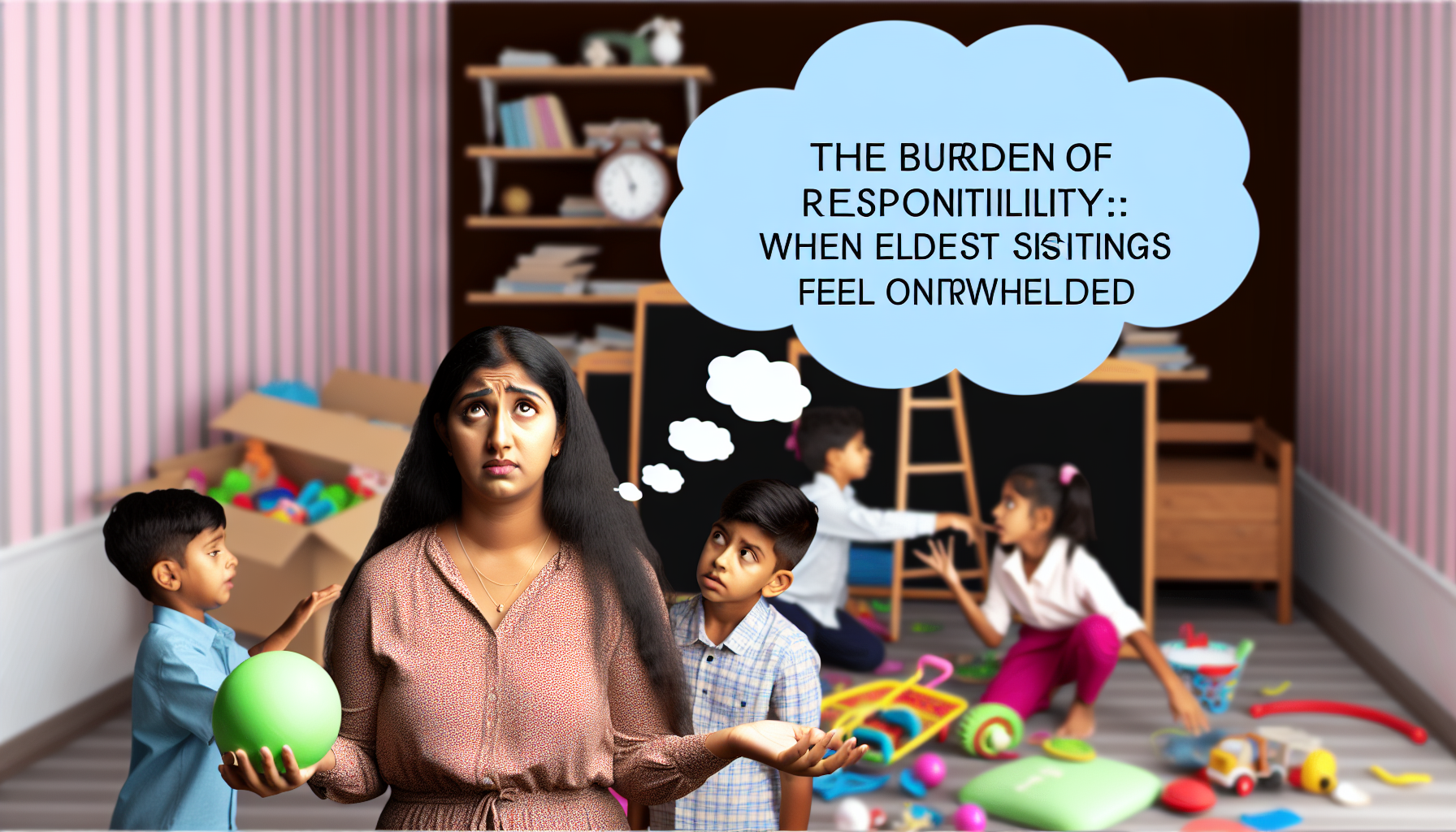
In many families, the oldest child often carries a significant weight of responsibility. While some might embrace the role of a caretaker, many face undue pressure that can lead to frustration and resentment. A recent story from a young man who has reached his breaking point sheds light on the emotional and psychological toll placed on eldest siblings, particularly when they are expected to assume parental duties at a young age.
Unexpected Responsibilities
The unnamed young man shared his experiences growing up as the oldest child in a large family, where he felt compelled to take care of his younger siblings. From a tender age, he was tasked with numerous responsibilities that were far beyond what one would typically expect from a child. This included everything from managing their daily routines to resolving conflicts among siblings.
As he entered his teenage years, the pressure mounted. He described feeling as though he was not only responsible for his siblings’ well-being but also for their behavior. This undue burden took a toll on his mental health, leading to feelings of frustration, resentment, and ultimately, burnout. The emotional strain of managing the needs of younger siblings, coupled with the demands of his own adolescence, proved overwhelming.
The Breaking Point
After years of carrying this weight, the young man reached a breaking point. He decided to stop helping his parents with his siblings, a decision that sparked a significant conflict within his family. His parents, who had relied on him for years as a secondary caregiver, were taken aback by his sudden refusal to continue shouldering responsibilities that had been expected of him for so long. We covered overlooked risk factor in more detail.
His decision to withdraw from caregiving was not made lightly. The young man felt it was necessary to prioritize his well-being. He recognized that by stepping back, he could reclaim his own identity and focus on his needs rather than constantly catering to those of his siblings. However, this shift also created a rift in family dynamics, revealing the unspoken expectations that had been placed on him.
The Emotional Toll on Eldest Siblings
The burden carried by eldest siblings is a common theme in large families. Often, these children are thrust into caregiver roles prematurely, leading to a host of emotional challenges. Some of the issues faced by eldest siblings include:
- Loss of Childhood: Many eldest siblings find themselves sacrificing their youth to take care of others, leading to a significant loss of the carefree experiences typical of childhood.
- Resentment: Over time, the pressure to take on parental responsibilities can foster feelings of resentment towards parents and siblings.
- Identity Issues: Constantly being in a caretaker role can hinder an eldest sibling’s ability to develop their own identity outside of their responsibilities.
- Burnout: The cumulative stress of managing siblings’ needs while navigating personal challenges can lead to emotional and physical burnout.
Finding Balance
While the young man’s decision to stop helping may seem drastic, it highlights the need for families to establish boundaries and communicate openly about roles and expectations. Parents must recognize the importance of allowing their eldest children to enjoy their youth and develop their own identities. This means acknowledging that while it’s natural for the oldest child to help, they should not be made to feel solely responsible for the care of their siblings.
To foster healthier family dynamics, parents can consider the following strategies: There’s a fuller look at toxic mental health loop.
- Sharing Responsibilities: Encourage all family members, regardless of age, to contribute to household duties. This not only eases the burden on the eldest child but also promotes teamwork among siblings.
- Open Communication: Create a safe space for discussing feelings and frustrations. This can help address any resentment the eldest sibling may feel and allow for a more balanced approach to caregiving.
- Setting Boundaries: Establish clear boundaries regarding the responsibilities of the eldest child. Parents should ensure that their oldest child has time to focus on their own interests and personal development.
- Encouraging Independence: Help younger siblings learn to be independent and responsible for their actions. This can alleviate pressure on the eldest sibling and promote a sense of accountability among all children.
Conclusion
The story of the young man who decided to stop caring for his siblings serves as a powerful reminder of the challenges faced by eldest children in large families. By recognizing the emotional toll of premature responsibility, families can work towards creating healthier dynamics that allow all children to thrive. Ultimately, fostering open communication and sharing responsibilities can lead to a more harmonious family life, enabling each member to grow and develop their own identity.


