

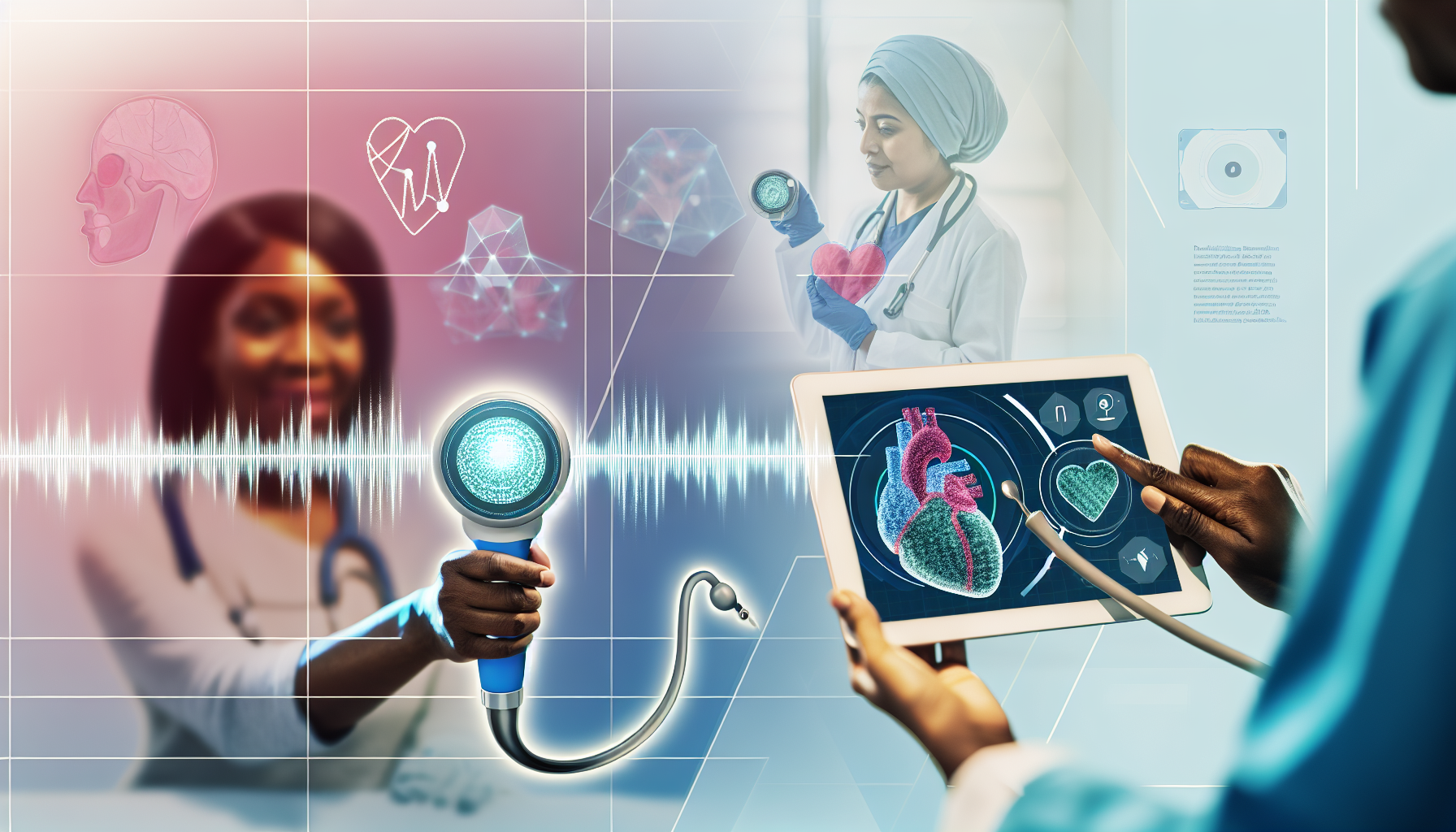
In a groundbreaking effort to enhance early detection of heart disease, researchers at Florida International University (FIU) and Baptist Health are pioneering a novel approach that integrates artificial intelligence (AI) with advanced sound analysis. This innovative method seeks to transform traditional cardiovascular screening by utilizing digital stethoscopes to capture and analyze heart sounds, enabling healthcare providers to identify patients at risk of heart disease long before symptoms manifest.
The Importance of Early Detection
Heart disease remains one of the leading causes of death globally, accounting for approximately 697,000 deaths in the United States in 2020 alone. The early detection of cardiovascular issues is critical, as it can significantly improve patient outcomes and save lives. Dr. Tom Nguyen, the chief medical executive of Baptist Health Heart & Vascular Care, emphasizes the urgency of this initiative, stating, “Early detection is crucial for saving lives.” With this in mind, the collaboration between FIU and Baptist Health aims to develop tools that not only enhance diagnostic accuracy but also increase accessibility to cardiovascular care.
How the Technology Works
The innovative technology being developed utilizes a digital stethoscope that allows nurses to record heart sounds with high precision. Once these sounds are captured, they are analyzed by a sophisticated algorithm powered by artificial intelligence. This AI-driven analysis enables healthcare professionals to identify specific patterns and anomalies in heart sounds that may indicate underlying cardiovascular conditions. This builds on federal grant news.
Advantages of AI and Sound Analysis
The traditional methods of diagnosing heart disease often rely on physical examinations and patient-reported symptoms, which can lead to delays in diagnosis and treatment. However, the integration of AI and sound analysis offers several advantages:
- Faster Diagnosis: The algorithm can process heart sound data rapidly, allowing for quicker identification of potential issues.
- Increased Accuracy: AI algorithms can detect subtle changes in heart sounds that may go unnoticed by the human ear, improving diagnostic precision.
- Accessibility: By empowering nurses to perform these assessments, the technology can democratize cardiovascular screening, making it available in various healthcare settings, including primary care facilities.
- Proactive Care: Identifying patients at risk before symptoms arise allows for earlier intervention, which can help prevent the progression of heart disease.
Collaboration Between FIU and Baptist Health
This initiative represents a significant collaboration between academia and clinical practice, exemplifying how research can translate into tangible healthcare solutions. Researchers from FIU are working closely with clinical experts at Baptist Health to refine the technology and ensure that it meets the practical needs of healthcare providers.
The project is still in its developmental stages, but early findings have shown promise. As AI continues to evolve, its application in healthcare is expected to expand, leading to more sophisticated diagnostic tools that can aid in the early detection of various conditions.
The Future of Heart Disease Screening
If successful, this innovative approach could herald a new era in cardiovascular screening. The implications for patient care are profound, as the combination of AI, sound analysis, and digital stethoscopes could become a standard part of routine health assessments. This would not only enhance the efficiency of healthcare systems but also significantly improve patient outcomes.
As the world grapples with increasing rates of heart disease, the need for advanced diagnostic methods has never been greater. The collaboration between FIU and Baptist Health exemplifies a proactive approach to healthcare innovation, focusing on prevention and early intervention.
Conclusion
In conclusion, the integration of AI and sound technology into heart disease detection represents a critical advancement in cardiovascular care. By enabling earlier identification of at-risk patients, this innovative solution has the potential to save lives and transform how heart disease is managed. As research progresses, the hope is that these technologies will become widely adopted, ensuring that more individuals have access to life-saving interventions before it is too late.


