

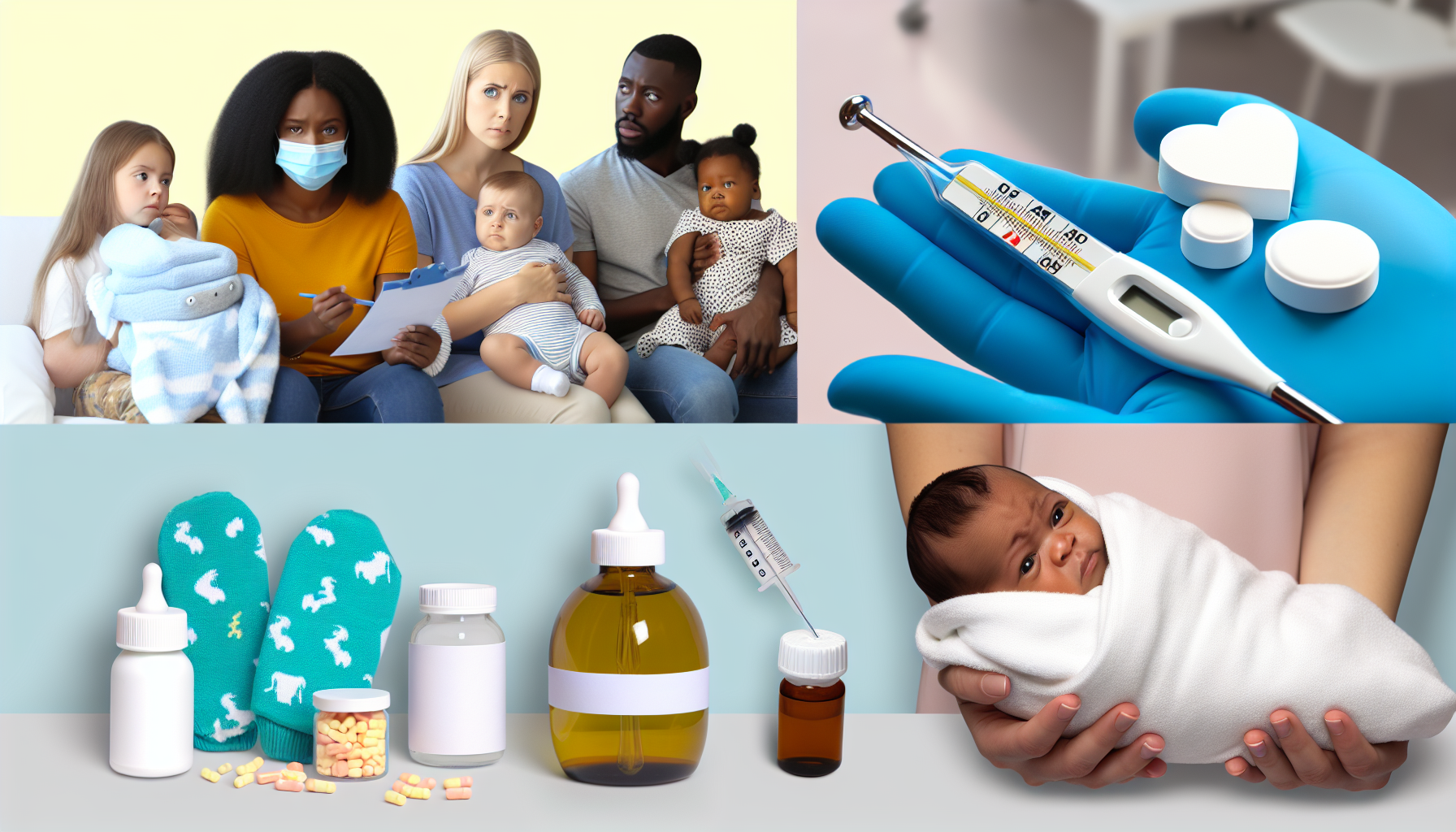
In recent years, pediatricians across the United States have expressed increasing concern over a troubling trend: a growing number of parents are refusing not only vaccinations for their newborns but also other vital preventive healthcare measures. This phenomenon, driven largely by anti-science sentiments and deep-seated mistrust in the medical community, poses significant risks to infant health and highlights a larger issue regarding public trust in healthcare systems.
The Scope of the Problem
According to reports from various healthcare providers, the refusal of routine newborn care has escalated, moving beyond just vaccines. Healthcare professionals have noted that parents are increasingly hesitant to allow their infants to receive necessary check-ups, screenings, and treatments that are critical for early detection of health issues. This trend is alarming, as it threatens to undermine the foundational practices of preventive care that have been established to protect the health of newborns.
Statistics and Insights from Healthcare Providers
Data collected by pediatricians over the past few years indicate a significant decline in compliance with recommended health guidelines for newborns. For instance, a recent survey conducted by the American Academy of Pediatrics revealed that approximately 20% of parents reported refusing at least one aspect of routine care for their children. This includes not only vaccinations but also routine screenings for critical health conditions like hearing loss and metabolic disorders.
Dr. Sarah Johnson, a pediatrician based in Chicago, has witnessed firsthand the repercussions of this trend. “Parents are increasingly questioning the necessity of routine care, which is concerning because these measures are designed to catch potential health issues early,” she stated. Johnson also pointed out that misinformation circulating on social media platforms plays a significant role in shaping parents’ perceptions and decisions regarding healthcare.
Factors Influencing Parental Refusal
The reasons behind this growing hesitance can be attributed to several intertwined factors:
- Anti-Science Sentiment: A marked shift towards skepticism regarding established medical practices has emerged, often fueled by misinformation propagated online. Many parents find themselves caught in a web of conflicting information, leading to confusion and hesitation.
- Mistrust in Healthcare Providers: Some parents harbor a general distrust of healthcare systems, stemming from historical injustices and perceived inequities in medical treatment. This mistrust can result in reluctance to engage with healthcare professionals regarding their child’s health.
- Influence of Social Media: The prevalence of anti-vaccine and alternative health communities on social media platforms has created echo chambers where misinformation thrives. This environment can lead to the reinforcement of unfounded beliefs about the dangers of routine medical care.
The Consequences of Avoiding Preventive Care
The refusal of routine preventive care can have dire consequences for newborns. Early detection and intervention are crucial in addressing conditions that could lead to long-term health issues or developmental delays. For example, newborn screening tests can identify metabolic disorders that, if untreated, could result in severe complications or even death.
Moreover, delaying vaccinations can increase the risk of outbreaks of vaccine-preventable diseases. The Centers for Disease Control and Prevention (CDC) reports that diseases like measles, mumps, and whooping cough are on the rise in areas where vaccination rates have plummeted. These preventable diseases can have serious, lasting effects on a child’s health and development.
Efforts to Rebuild Trust
In light of these challenges, many healthcare professionals are taking active steps to rebuild trust and encourage parents to remain engaged in their child’s health. Pediatricians are emphasizing the importance of open communication, taking the time to listen to parents’ concerns, and providing evidence-based information that can help clarify misconceptions.
Dr. Emily Carter, a pediatrician in Los Angeles, advocates for a collaborative approach to healthcare. “We need to understand where parents are coming from and address their fears without judgment. Building a relationship based on trust is essential for ensuring that children receive the care they need,” she explained.
Conclusion: A Call to Action
The increasing refusal of routine preventive care among parents is a critical issue that requires immediate attention. As healthcare providers, it is vital to address the underlying causes of this skepticism and work towards restoring trust in medical practices. By fostering open dialogue, providing accurate information, and demonstrating empathy, the healthcare community can help ensure that infants receive the essential care they need for a healthy start in life.
Ultimately, safeguarding the health of the next generation hinges on our collective ability to combat misinformation and reinforce the importance of preventive healthcare. The stakes are high, and every effort counts in creating a healthier future for our children.


