

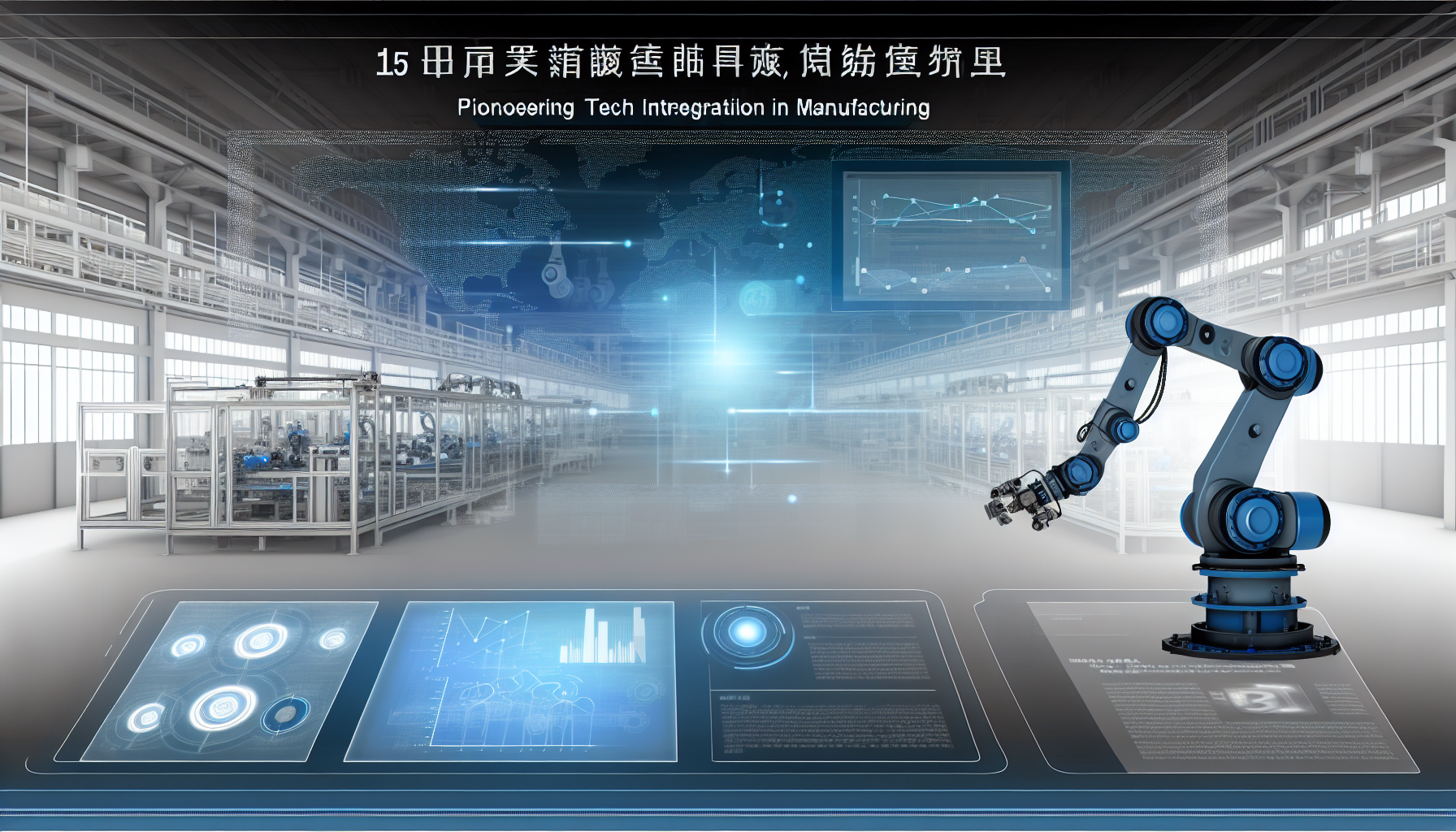
On March 12, 2026, China officially adopted its 15th Five-Year Plan (FYP), a strategic blueprint aimed at accelerating the integration of technology into the manufacturing sector. This plan, spanning from 2026 to 2030, emphasizes the development of ‘new quality productive forces’ and is designed to transform China’s economic landscape by focusing on strategic emerging industries. Among these industries are new-generation information technology, new energy, robotics, biomedicine, and aerospace.
Strategic Focus on Emerging Industries
The 15th FYP lays out a comprehensive framework for nurturing future industries that include advanced sectors such as quantum technology, biomanufacturing, hydrogen energy, nuclear fusion, brain-computer interfaces, embodied artificial intelligence (AI), and sixth-generation mobile technology (6G). The plan seeks to establish pilot platforms, like national AI bases, to bridge the gap between research and production, thereby fostering innovation and enhancing productivity.
Investment in Artificial Intelligence and Robotics
One of the highlighted areas of investment is artificial intelligence. The plan envisions the establishment of national AI bases that will facilitate collaboration between research institutions and manufacturing enterprises. This initiative is expected to catalyze advancements in AI applications, enabling them to permeate various sectors. Related reading: AI career opportunities.
Robotics also plays a pivotal role in the FYP, with significant investments aimed at enhancing automation in manufacturing processes. A noteworthy example is the partnership between UBTECH, a leading robotics company, and Airbus. This collaboration focuses on deploying humanoid robots in manufacturing environments, which promises to increase efficiency and reduce operational costs.
Integration of Biomedicine and Aerospace Technologies
Biomedicine and aerospace are also key components of the 15th FYP. The plan outlines strategies to enhance the capabilities of the biopharmaceutical sector, aiming to improve drug discovery, development, and production processes. The integration of cutting-edge technologies in biomedicine is expected to yield significant advancements in healthcare, potentially revolutionizing treatment methodologies.
In the aerospace sector, the plan encourages the adoption of innovative technologies to improve the design and manufacturing of aircraft and spacecraft. This focus on aerospace not only enhances national security but also positions China as a competitive player in the global aerospace market.
Unlocking Trillion-Yuan Opportunities
The 15th FYP aims to unlock trillion-yuan opportunities within the real economy by fostering technological advancements across these sectors. By promoting the development of high-tech industries, the plan anticipates creating a robust economic environment that supports sustainable growth and innovation.
One of the exciting applications of this technological integration is the deployment of Galbot’s pharmacy robots, designed for precise drug retrieval. This innovation not only streamlines pharmacy operations but also enhances the accuracy of medication dispensing, illustrating the practical benefits of integrating technology into everyday services.
Bridging Research and Production
To ensure that the advancements in technology translate into tangible economic benefits, the plan emphasizes the importance of bridging the gap between research and production. By establishing national AI bases and pilot platforms, China aims to create a seamless transition from theoretical research to practical applications in the manufacturing industry.
This approach not only encourages collaboration among technology developers, researchers, and manufacturers but also facilitates the rapid commercialization of innovative technologies. As a result, businesses will be better positioned to leverage emerging technologies for competitive advantage, driving growth in the manufacturing sector. There’s a fuller look at modern education and AI.
Challenges and Opportunities Ahead
While the 15th Five-Year Plan presents a bold vision for China’s technological future, it also faces several challenges. Issues such as intellectual property rights, international trade tensions, and the need for a skilled workforce must be addressed to fully realize the potential of these initiatives.
Nevertheless, the opportunities presented by the plan are vast. By investing in emerging industries and fostering technological integration, China positions itself as a leader in the global economy. The 15th FYP not only aims to enhance domestic capabilities but also seeks to establish China as a significant player in the international technology arena.
Conclusion
The 15th Five-Year Plan marks a significant step forward in China’s ambition to integrate advanced technologies into its manufacturing sector. By prioritizing strategic industries such as AI, robotics, biomedicine, and aerospace, the plan sets the stage for a future where technology drives economic growth and innovation. As China embarks on this transformative journey, the world will be watching closely to see how these initiatives unfold and reshape the global technological landscape.


