

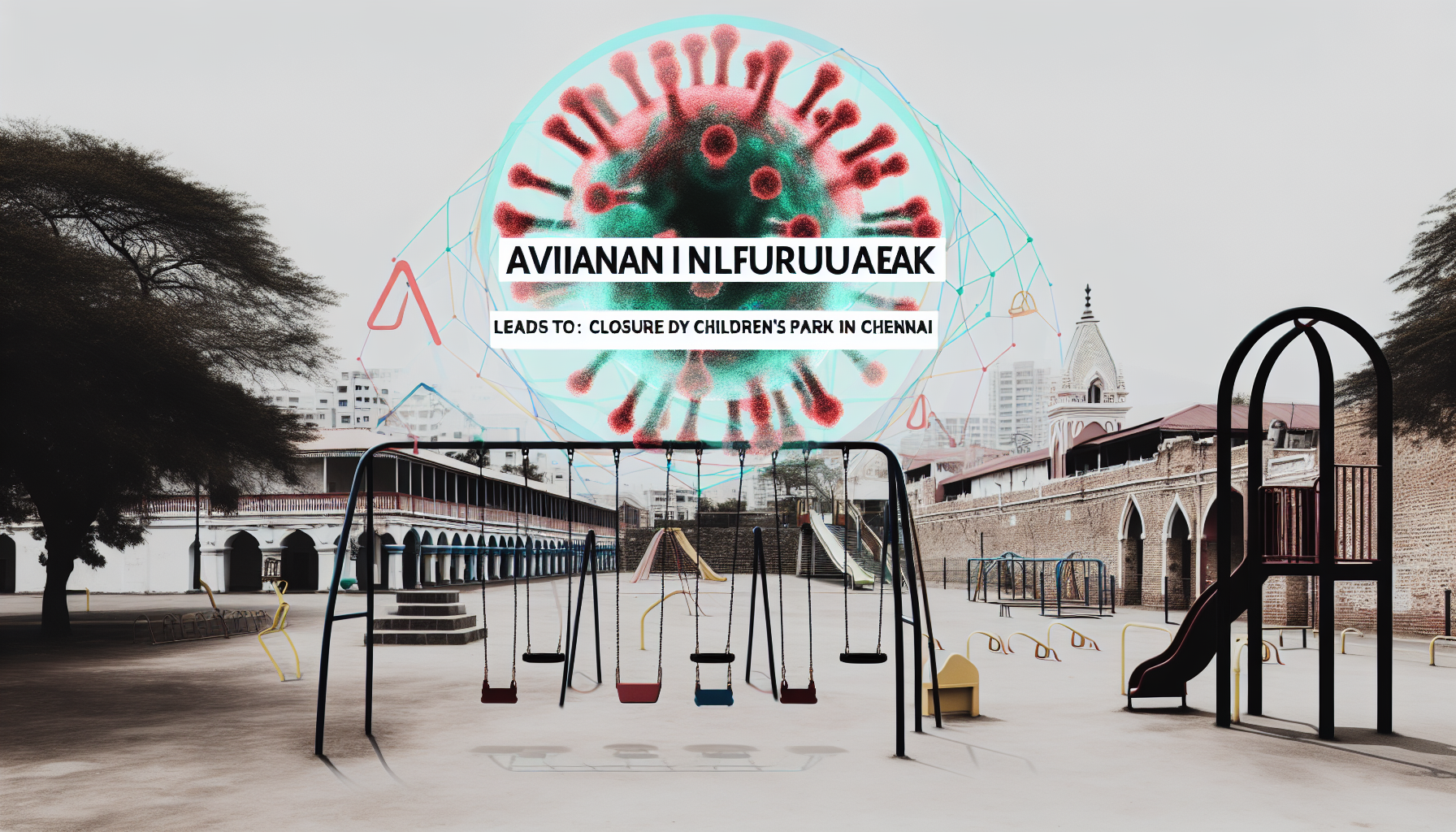
In a troubling development, authorities have shut down the Guindy Children’s Park in Chennai due to an outbreak of avian influenza, commonly known as bird flu. The closure, reported on March 22, 2026, comes after the deaths of dozens of birds at the park, prompting immediate containment measures aimed at protecting public health.
Understanding Avian Influenza
Avian influenza is a viral infection that primarily affects birds but can also infect humans and other animals. The strain responsible for the current outbreak remains under investigation, but bird flu is known for its potential to mutate and pose health risks to humans who come in contact with infected birds or their droppings.
Impact on Guindy Children’s Park
Guindy Children’s Park, a popular destination for families in Chennai, has been closed as a precautionary measure to prevent the spread of the virus. Local wildlife officials reported that a significant number of birds, including ducks and other waterfowl, were found dead in the park, raising alarms over the potential spread of the disease.
The closure of the park not only impacts recreational activities for children and families but also raises concerns about zoonotic diseases that can transfer from animals to humans. Authorities are working diligently to contain the outbreak and monitor the health of nearby avian populations.
Public Health Concerns
The detection of avian influenza in a densely populated area like Chennai necessitates a heightened awareness of public health risks. While human infections with bird flu are rare, they can occur, particularly in individuals who have close contact with infected birds or contaminated environments.
- Transmission risk: The primary mode of transmission is through direct contact with infected birds or their droppings.
- Symptoms in humans: If contracted, symptoms may range from mild flu-like signs to severe respiratory distress.
- Preventive measures: Authorities recommend avoiding contact with wild birds and reporting any unusual bird deaths to local health departments.
Government Response and Containment Measures
In response to the outbreak, the Chennai health department has implemented strict measures to contain the spread of the virus. These include:
- Closure of the Guindy Children’s Park and surrounding areas to limit public exposure.
- Monitoring of avian populations in the region, with special attention to migratory birds that may carry the virus.
- Public advisories warning against contact with wild birds and emphasizing the importance of hygiene practices.
- Engagement with veterinarians and wildlife experts to assess the situation and carry out necessary interventions.
The Importance of Awareness and Prevention
This incident highlights the need for public awareness regarding zoonotic diseases, especially in urban areas where wildlife and human populations intersect. Bird flu outbreaks can have significant implications not only for animal health but also for human safety and public health systems.
Education campaigns aimed at informing the public about avian influenza and its risks are crucial. These campaigns should focus on:
- The importance of reporting sick or dead birds to health authorities.
- Guidelines on how to safely handle birds and avoid potential exposure.
- Encouraging good hygiene practices, especially for those who work in agriculture or poultry industries.
The Role of Research and Monitoring
Ongoing research into avian influenza is vital for understanding how the virus behaves and spreads. Scientists are continuously monitoring bird populations for any signs of the virus, and advancements in veterinary medicine play a crucial role in managing outbreaks. Early detection systems and effective response strategies can mitigate the impact of such outbreaks on both wildlife and public health.
Furthermore, collaboration between health authorities, scientists, and the community is essential for effective monitoring and response. Local governments must work alongside health organizations to ensure that the public remains informed and protected during such health crises.
Conclusion
The closure of Guindy Children’s Park serves as a stark reminder of the risks posed by zoonotic diseases like avian influenza. As Chennai grapples with this outbreak, it is imperative for both health officials and the public to remain vigilant and proactive in preventing the spread of the virus. By fostering awareness, implementing preventive measures, and supporting ongoing research, communities can better equip themselves to face future health challenges.


