

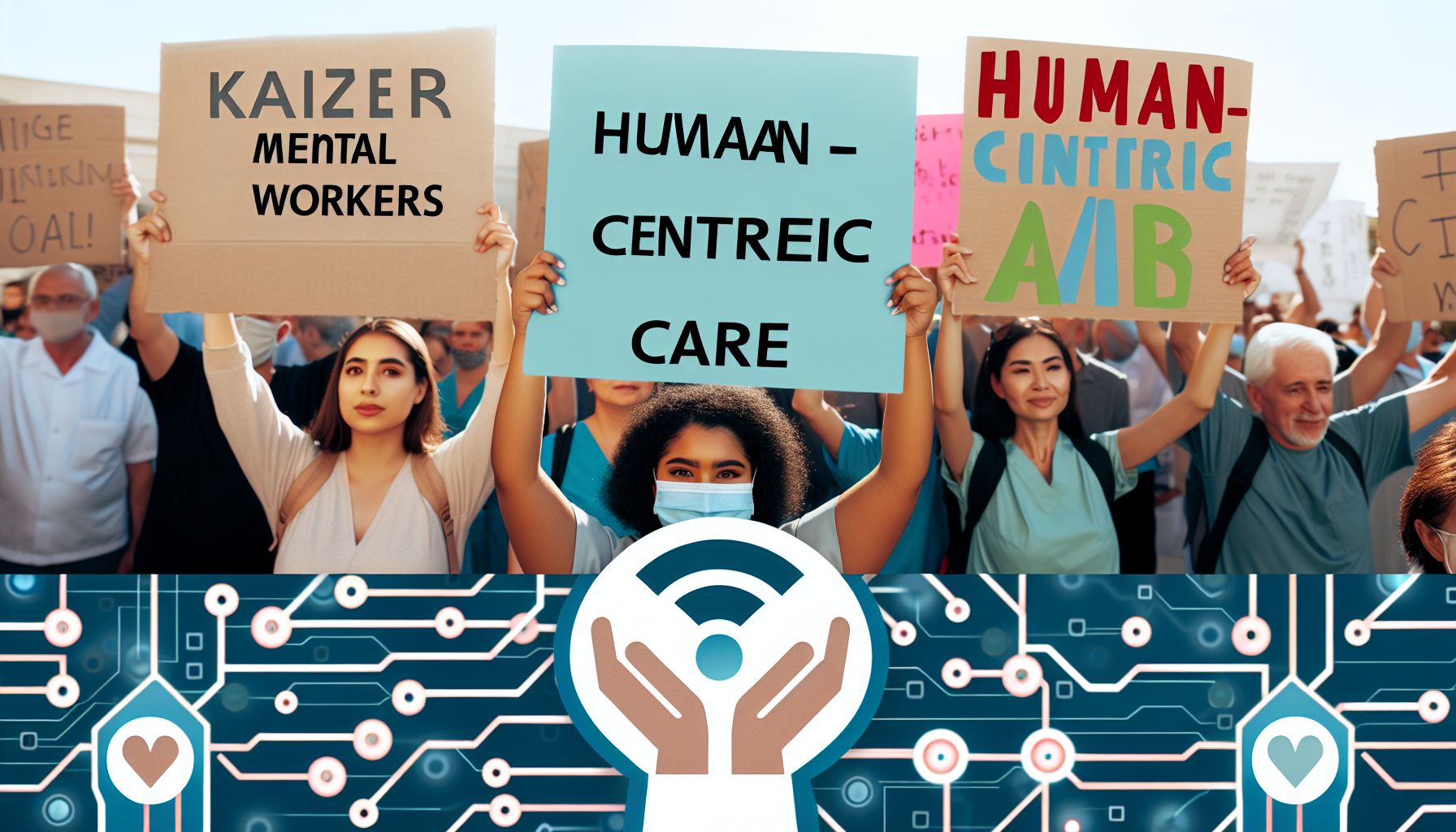
On March 18-19, 2026, approximately 2,400 mental health professionals from Kaiser Permanente participated in a one-day strike in Northern California, raising significant concerns about the role of artificial intelligence (AI) in mental health care. This event, which included social workers and psychologists, came as a response to fears that AI technologies may eventually replace human therapists, undermining the critical human touch in mental health treatment.
The Context of the Strike
Kaiser Permanente serves around 4.6 million patients across the Northern California region, making the implications of this strike particularly impactful. With a growing reliance on technology in various sectors, the mental health workers voiced their apprehensions regarding the potential for AI to diminish the quality of care provided to patients. The strikers emphasized that while technology can support and enhance therapeutic practices, it should never overshadow the profound human connection that is essential in mental health care.
Support from Nursing Community
The strike garnered significant solidarity from the California Nurses Association, with over 23,000 nurses expressing their support for the mental health professionals. This united front underscores a broader concern within the healthcare community about the implications of increasing automation and reliance on AI. Nurses and mental health workers alike are advocating for an approach that prioritizes human care, particularly in sensitive fields like mental health.
Concerns Over AI in Mental Health Care
The fear among mental health professionals is not unfounded. As AI technologies advance, there is a growing debate about their role in therapeutic settings. While proponents of AI argue that these technologies can improve access to care and streamline administrative tasks, mental health professionals caution that they cannot replicate the nuanced understanding and empathy that human therapists provide. Key concerns include:
- Loss of Personal Connection: Patients often seek therapy for deeply personal issues that require a nuanced understanding and emotional intelligence, skills that AI cannot replicate.
- Diagnostic Limitations: AI may struggle to accurately diagnose and understand the complexities of human emotions and mental states.
- Ethical Considerations: The potential for bias in AI algorithms raises ethical questions about fairness and equity in mental health care.
Kaiser Management’s Response
In response to the strike and the concerns raised by mental health professionals, Kaiser management has made statements aiming to clarify their position on the integration of AI into their practices. Executives Lionel Sims and Priya Smith emphasized that the goal of employing AI is not to replace human staff but to enhance access to mental health services for patients in need.
According to management, the use of AI can help alleviate some of the administrative burdens faced by therapists, allowing them to focus more on direct patient care. They also indicated plans to hire additional mental health workers to ensure that the human element of care remains central to the services provided.
Future of Mental Health Care
The ongoing dialogue about the role of AI in mental health care is crucial as the industry grapples with the needs of a growing patient population. The integration of technology should aim to complement, rather than replace, the essential human interactions that are vital for effective therapy.
As mental health professionals continue to advocate for their roles, the outcome of this strike may influence broader policies regarding the use of AI in healthcare settings. The union’s stance underscores a pivotal moment in the conversation about balancing technological advancements with the need for compassionate, personalized care.
Conclusion
The strike by Kaiser mental health workers not only highlights their immediate concerns regarding AI but also raises important questions about the future of mental health care. As technology evolves, it is imperative that healthcare providers, policymakers, and professionals collaborate to ensure that advancements are aligned with the core values of empathy, understanding, and human connection that are fundamental to effective mental health treatment. We covered Kaiser surveillance concerns in more detail.


