

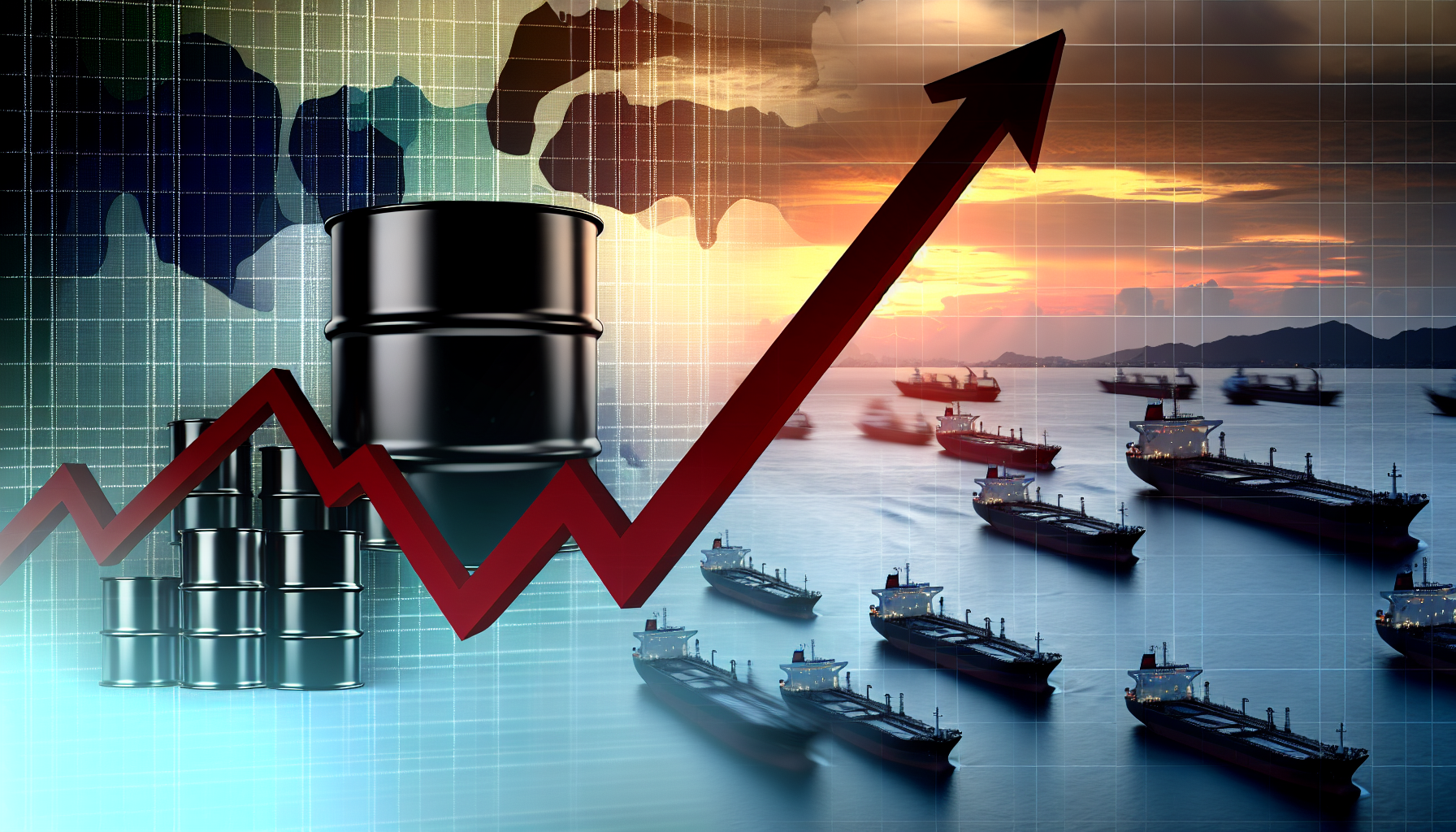
On March 17, crude oil prices experienced a notable increase of over 2%, reaching approximately $103 per barrel. This surge can be attributed to escalating supply concerns, particularly due to tensions surrounding the Strait of Hormuz, a crucial maritime route for global oil shipments.
Strait of Hormuz: A Crucial Oil Passage
The Strait of Hormuz, situated between Iran and Oman, is a vital chokepoint through which about 20% of the world’s oil passes. Recent geopolitical tensions have raised alarms about the safety of this shipping route, prompting fears of potential disruptions. Despite calls from U.S. President Donald Trump for European allies to deploy naval forces to escort oil tankers through this critical area, there has been a reluctant response from these nations, further exacerbating concerns over supply stability.
Impact on Oil Production
The ongoing disruptions in the Strait of Hormuz have had a significant impact on oil production in the region. The United Arab Emirates (UAE), the third-largest producer in the Organization of the Petroleum Exporting Countries (OPEC), has reportedly reduced its output by more than half. This drastic cut in production has heightened fears of potential supply shortages, which could lead to further increases in oil prices and contribute to rising inflation.
Market Reactions
Analysts are closely monitoring the situation, with experts like Kayanat Chainwala from Kotak Securities projecting that global crude prices may escalate to $120 per barrel in the near term. Furthermore, Chainwala warns that if the current conflict persists for over a month, prices could potentially soar to $150 per barrel.
These predictions reflect the broader concerns in the market about supply stability and the potential for inflationary pressures on consumers. As oil prices rise, the cost of energy for households and businesses is likely to follow suit, which could have significant implications for economic recovery in various regions.
International Energy Agency’s Response
In light of rising oil prices and the potential for further disruptions, the International Energy Agency (IEA) has indicated that its member countries may consider releasing additional oil reserves to mitigate rising energy costs. This response is aimed at providing some relief to consumers facing higher prices at the pump and to stabilize global oil markets.
Global Implications
The events unfolding in the Strait of Hormuz not only impact oil prices but also have broader implications for the global economy. Higher energy costs can lead to increased production expenses for businesses, which may eventually be passed on to consumers in the form of higher prices for goods and services. This potential inflationary cycle could hinder economic growth, particularly in regions that are heavily reliant on oil imports.
Additionally, countries that are net oil importers may face significant economic challenges as their trade balances are adversely affected by rising oil prices. On the other hand, oil-exporting nations could see a boost in revenue, potentially impacting their domestic policies and international relations.
Conclusion
The situation in the Strait of Hormuz remains volatile, and its implications for crude oil prices and the global economy are profound. With production cuts from the UAE and geopolitical tensions looming, market analysts and consumers alike will be keeping a close eye on developments in this strategic region. As prices continue to rise, the energy landscape may undergo significant changes, prompting both consumers and policymakers to adapt to new economic realities.


