

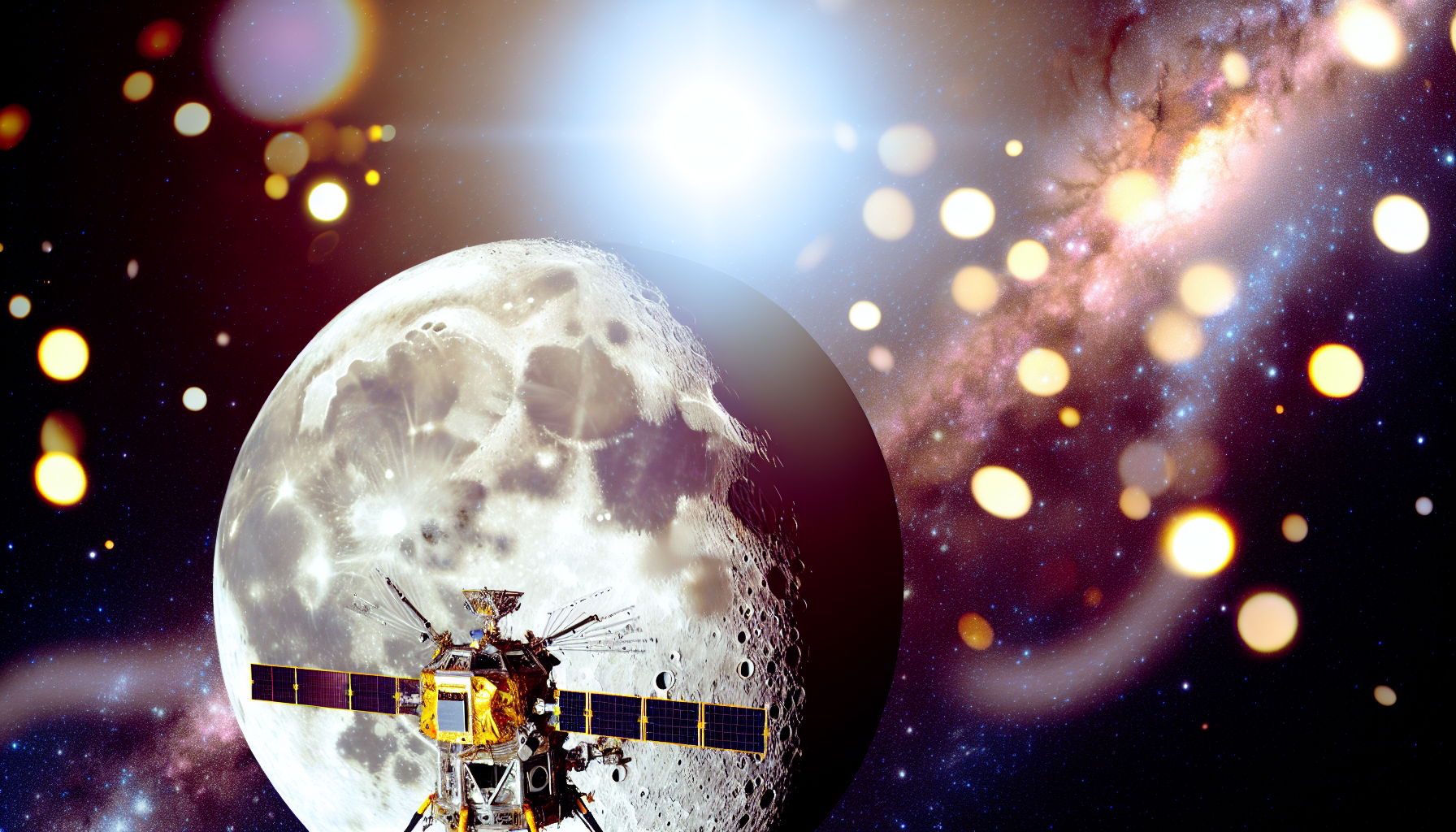
NASA is set to embark on an extraordinary journey as the Artemis II mission approaches its highly anticipated lunar flyby. Scheduled for Monday, this mission marks a significant milestone in human space exploration, as a four-person crew prepares to orbit the Moon and witness unparalleled celestial events. In a recent Q&A session, NASA addressed the most pressing questions regarding the mission, shedding light on what the astronauts will experience during their six-hour lunar encounter.
The Crew and Their Mission
The Artemis II mission will carry a diverse crew of four astronauts aboard the Orion spacecraft. This mission is particularly noteworthy as it serves as a precursor to future manned missions to the Moon and beyond, including the establishment of a sustainable human presence on the lunar surface. The crew members, their backgrounds, and their roles are as follows:
- Jeremy Hansen – Mission Commander: A veteran astronaut from the Canadian Space Agency, Hansen brings extensive experience and leadership skills to the mission.
- Christina Koch – Pilot: Known for her record-breaking stint aboard the International Space Station, Koch is an accomplished astronaut with a focus on scientific research.
- Victor Glover – Mission Specialist: Glover, who has flown on a previous SpaceX mission, will contribute his expertise in spacecraft operations.
- Reed Wiseman – Mission Specialist: A former naval aviator and astronaut, Wiseman will play a crucial role in ensuring the mission’s success.
What to Expect During the Flyby
The Artemis II mission is set to commence a series of thrilling events as the Orion spacecraft engages in a six-hour lunar flyby. Starting around 2:45 p.m. Eastern Time, the astronauts will experience a breathtaking journey as they swing around the Moon. This flyby will grant them the opportunity to view the Moon’s far side with unprecedented clarity, a sight that has captivated scientists and enthusiasts alike for decades.
As the spacecraft approaches the Moon, it will encounter a total solar eclipse, a stunning phenomenon where the Moon obscures the Sun. This event will be particularly remarkable, as it will be invisible from Earth, providing the crew with a unique perspective on this cosmic occurrence.
Radio Silence and Live Coverage
During the lunar flyby, there will be a 40-minute period of radio silence as the Orion spacecraft passes behind the Moon. This temporary communication blackout is a standard procedure that occurs when a spacecraft is out of direct line-of-sight with mission control on Earth. As the astronauts navigate this critical phase of their mission, NASA is committed to sharing the experience with audiences worldwide.
The agency plans to broadcast the flyby live on its official website, as well as on platforms such as YouTube, Amazon, and Netflix. This unprecedented access allows space enthusiasts and the general public to witness the mission in real-time, fostering a sense of connection to this historic event.
Scientific Goals and Future Implications
The Artemis II mission is not only about exploration but also serves as a stepping stone for future lunar missions. NASA has outlined several scientific goals for the mission, including:
- Collecting data on the Moon’s gravitational field to improve navigation for future missions.
- Testing new technologies and systems that will be essential for sustainable lunar exploration.
- Gathering valuable insights into the Moon’s geology and atmosphere.
As NASA prepares for Artemis II, the mission is expected to pave the way for future lunar exploration, including the establishment of the Lunar Gateway, a space station that will orbit the Moon and serve as a staging point for missions to Mars and beyond.
Public Engagement and Educational Outreach
NASA recognizes the importance of engaging the public in this historic endeavor. The agency has developed extensive educational outreach programs aimed at inspiring the next generation of scientists, engineers, and explorers. Through interactive events, live broadcasts, and online resources, NASA aims to create a sense of wonder and excitement about space exploration.
As part of the Artemis II mission, educational materials and activities will be made available for schools and communities, allowing students and educators to explore the science and technology behind space travel. This initiative is designed to cultivate interest in STEM (science, technology, engineering, and mathematics) fields, encouraging young minds to consider careers in space exploration.
Conclusion: A New Era of Exploration
The Artemis II mission marks a pivotal moment in the history of space exploration. As the crew prepares for their lunar flyby, they carry with them the hopes and dreams of millions of people around the world. NASA’s commitment to transparency and public engagement ensures that this mission is not only about scientific discovery but also about inspiring future generations to look to the stars. With the live broadcast of the flyby and its groundbreaking scientific objectives, Artemis II promises to be a landmark event that will resonate for years to come.


