

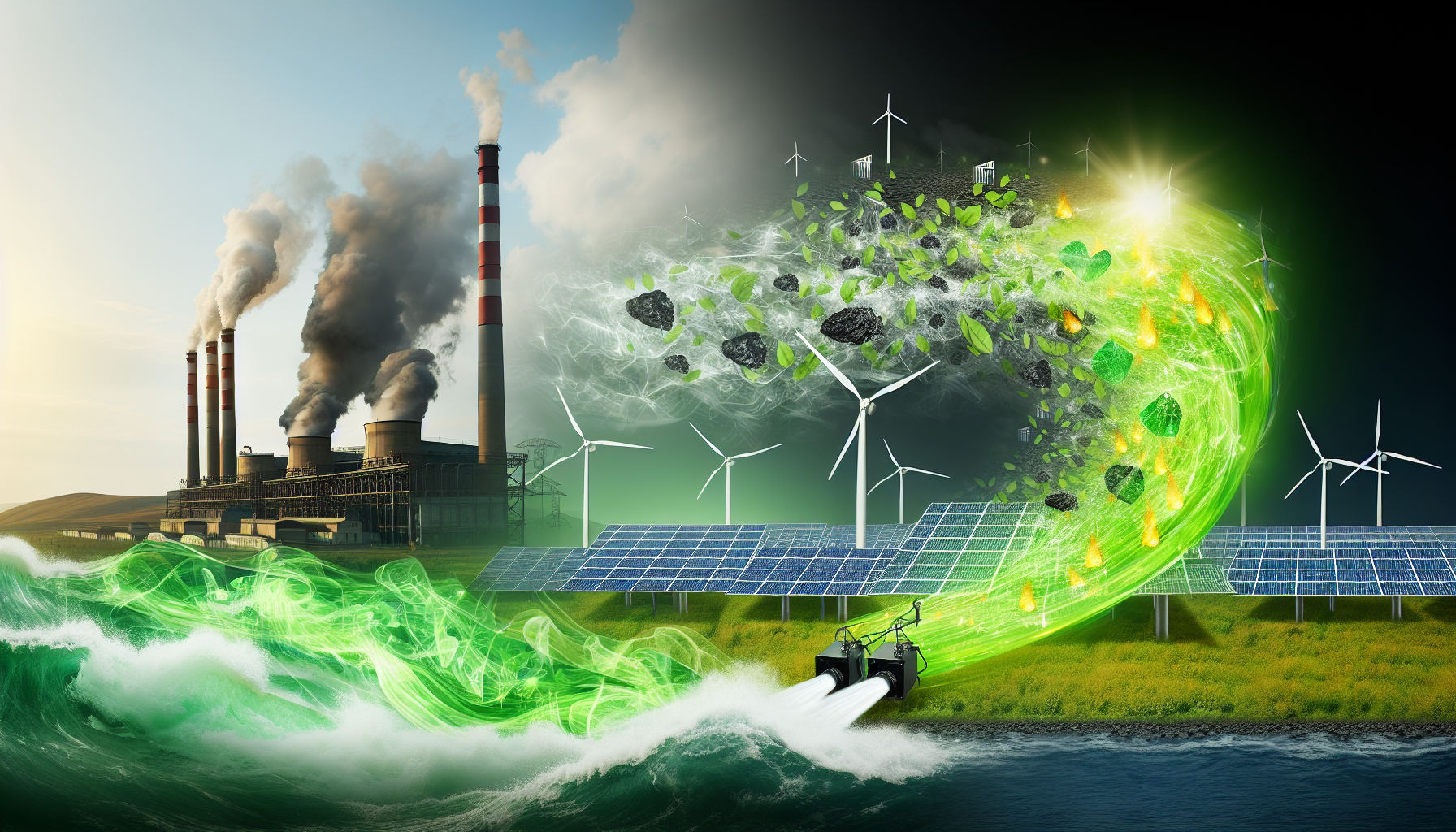
The global energy landscape is undergoing a profound transformation as renewable energy sources surpass fossil fuel power for the first time in history. According to a recent report released by the energy think tank Ember on April 21, 2026, clean energy generation exceeded global electricity demand growth by an impressive 887 terawatt hours (TWh) in 2025. This milestone marks a significant turning point in the fight against climate change and the transition toward sustainable energy solutions.
Record Growth in Renewable Energy
In 2025, renewable energy sources demonstrated remarkable growth, with solar power alone increasing by 30% compared to the previous year. This surge in solar energy production accounted for a staggering three-quarters of the net electricity demand increase globally. When combined with wind energy, renewables covered an astounding 99% of the demand growth, showcasing the pivotal role these technologies play in meeting the world’s energy needs. We covered solar innovation insights in more detail.
Notably, solar power has overtaken wind energy globally for the first time, signifying a shift in the dynamics of renewable energy generation. Experts predict that solar energy is on track to surpass nuclear power generation within the year, alongside wind energy’s continued expansion.
Decline of Fossil Fuel Power
In stark contrast to the rapid growth of renewables, fossil fuel power generation experienced a historic decline. The report indicates that coal power’s share has fallen below one-third, dropping to 63 TWh. This decline can be attributed to the record expansion of solar energy, particularly in key markets such as China and India, despite ongoing geopolitical challenges, including shifts in policies under the Trump administration that have impacted the renewable sector.
Factors Driving the Shift
The transition from fossil fuels to renewable energy is driven by several interconnected factors:
- Technological Advancements: Innovations in solar panel efficiency and energy storage solutions have made renewable energy more accessible and cost-effective.
- Government Policies: Many countries are implementing policies that incentivize the adoption of renewable energy, while also imposing stricter regulations on fossil fuel emissions.
- Public Awareness: Growing public awareness of climate change and environmental issues has led to increased demand for clean energy sources.
- Investment Trends: Financial markets are increasingly favoring investments in renewable energy projects, contributing to their expansion.
Regional Highlights
The report highlights significant developments in specific regions, particularly in Asia, where solar power has made substantial gains. China and India have emerged as leaders in solar energy expansion, implementing large-scale solar projects that have drastically increased their renewable energy capacities.
China, the world’s largest producer of solar energy, has accelerated its solar installations despite facing various challenges, including supply chain disruptions. Meanwhile, India has set ambitious targets to increase its renewable energy capacity, aiming for 500 GW by 2030. These efforts are crucial for both countries as they navigate economic growth while addressing environmental concerns.
The Future Outlook
The momentum gained by renewables in 2025 suggests a promising future for clean energy. Experts predict that the trend of decreasing fossil fuel consumption will continue, driven by the growing competitiveness of renewable technologies. As the world grapples with the urgent need to reduce carbon emissions, the shift from fossil fuels to renewables is expected to accelerate further.
Moreover, the anticipated advancements in energy storage technology will likely enhance the reliability of renewable energy sources, addressing one of the primary concerns associated with their intermittent nature. This technological evolution could pave the way for a more resilient and sustainable energy infrastructure.
Conclusion
The findings from Ember’s report underscore a critical threshold in the global energy transition. As renewable energy sources significantly outpace fossil fuel power, the world is witnessing a paradigm shift that could reshape our energy future. With continued investments, supportive policies, and public commitment to sustainability, the path toward a cleaner and greener energy landscape appears more attainable than ever.


