

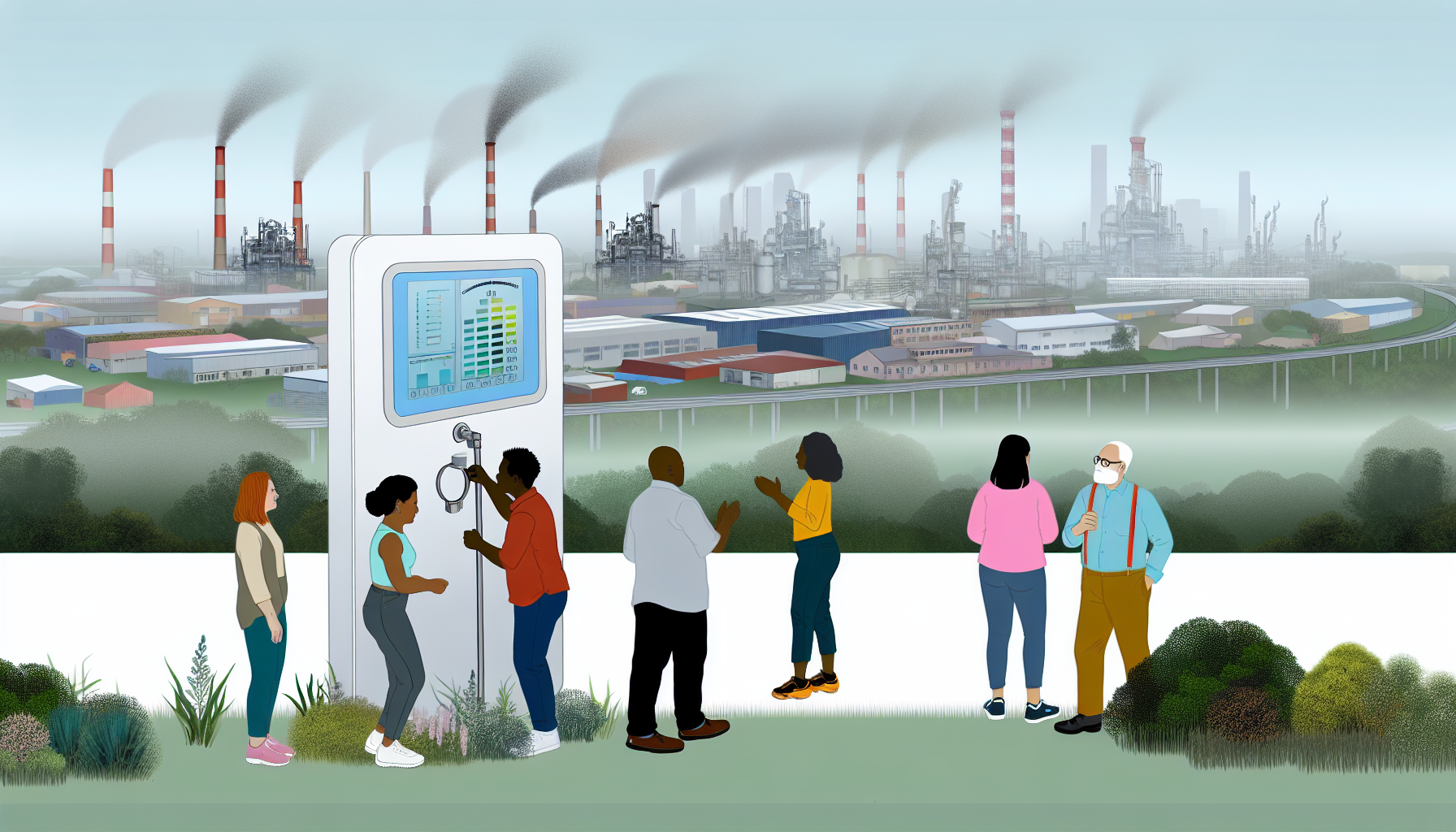
In the heart of Louisiana, a region notoriously dubbed ‘Cancer Alley’ due to its alarming cancer rates linked to industrial pollution, community groups are taking a stand against detrimental air quality. This area, heavily populated with petrochemical facilities, has become a frontline in the battle for environmental justice as residents utilize advanced air monitoring technology to demand cleaner air and hold polluting industries accountable.
The Background of Cancer Alley
‘Cancer Alley’ stretches along the Mississippi River, with a concentration of petrochemical plants that have raised serious health concerns among local residents. The region has gained notoriety not just for its industrial output but for the adverse health effects that have manifested in the community. According to various reports, residents have experienced significantly higher rates of cancer and respiratory illnesses, compelling them to act in defense of their health and environment.
Community Monitoring: A Technological Response
In response to the ongoing health crisis, community organizations have begun deploying air quality sensors throughout the region. These sensors provide real-time data on pollution levels, allowing residents to monitor the air they breathe and identify sources of harmful emissions. This grassroots initiative is designed to empower locals, equipping them with the information necessary to advocate for their rights and demand accountability from both regulatory bodies and industrial operators.
The Role of Technology in Environmental Activism
Utilizing technology for environmental activism is not a new concept; however, the integration of affordable air quality sensors has transformed local advocacy efforts. Community members are now able to collect data on pollutants such as volatile organic compounds (VOCs), particulate matter (PM), and other dangerous emissions that have been linked to the operations of nearby plants.
By establishing a network of monitoring stations, these groups are creating a comprehensive picture of air quality in real time. This data is not only crucial for local residents but also serves as a powerful tool in negotiations with policymakers and industry leaders.
Demanding Accountability and Action
The data collected from these monitoring efforts is being used to apply pressure on both local and state regulators to implement stricter emissions standards. Armed with concrete evidence of air quality issues, community members are able to engage in discussions with lawmakers and advocate for regulations that prioritize public health over industrial profits.
- Raising Awareness: The data gathered is helping to raise awareness among community members about the specific pollutants affecting their health.
- Informing Policy Changes: Activists are using this information to push for legislative changes that would enforce stricter regulations on emissions.
- Building Community Solidarity: The initiative has fostered a sense of solidarity among residents, who collectively share a commitment to improving their environment.
Challenges Ahead
Despite the progress being made, the path to cleaner air is fraught with challenges. Industrial pushback is a significant concern, as companies often resist changes to operations and regulations that could affect their bottom line. Additionally, securing funding for ongoing monitoring projects poses another hurdle. Community groups must navigate limited resources while striving to maintain their programs and expand their reach.
Furthermore, while air quality sensors provide valuable data, they are not infallible. The technology must be used in conjunction with established scientific methods and studies to ensure that findings are accurate and actionable. Collaboration with scientists and environmental organizations can bolster the credibility of the data collected and enhance advocacy efforts.
A Vision for the Future
The proactive measures taken by community groups in Cancer Alley represent a vital shift in the narrative surrounding environmental justice. By leveraging technology, residents are not only seeking to protect their health but also to instill a sense of agency within their communities. The hope is that the efforts will lead to tangible improvements in air quality, ultimately reducing the incidence of pollution-related health issues.
As these grassroots initiatives continue to gather momentum, they illustrate the power of community-driven efforts in addressing complex environmental problems. The residents of Cancer Alley are setting a precedent that could inspire similar movements across the country, showcasing the importance of local action in the fight for cleaner air and a healthier future. For more on this, see toxic air concerns.
Conclusion
In a region plagued by pollution and health crises, community air monitoring stands as a beacon of hope. Through the use of technology and a united front, residents of Cancer Alley are challenging the status quo and demanding the right to clean air. Their journey emphasizes the critical role that informed citizens play in shaping environmental policy and advocating for public health.


