

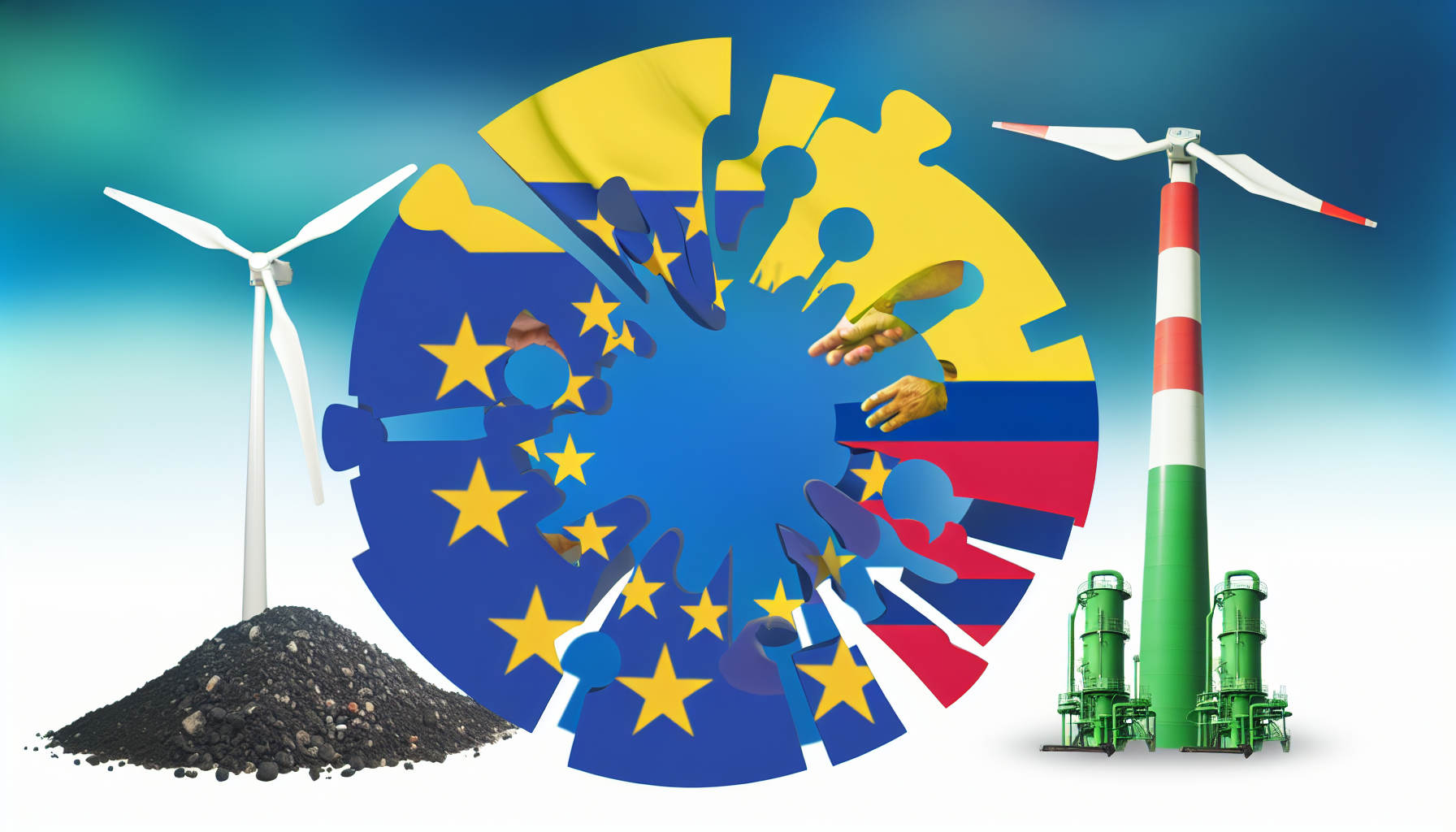
The global push towards sustainable energy is gaining momentum as EU governments prepare to convene for the First International Conference on the Just Transition Away from Fossil Fuels in Santa Marta, Colombia, from April 24 to 29, 2026. This landmark event, co-sponsored by Colombia and the Netherlands, aims to devise actionable strategies for phasing out fossil fuels and reducing reliance on imported energy sources.
Contextualizing the Conference
The conference emerges in a critical era marked by geopolitical tensions that have significantly impacted oil supplies, particularly in the Hormuz Strait. Currently, more than 10 million barrels of oil daily are being obstructed in this strategic region, highlighting the urgent need for countries to pivot towards more sustainable energy practices.
As over 85 countries prepare to participate, including major European players such as Germany, the UK, France, and Spain, the event represents a significant collaborative effort to address the challenges posed by fossil fuel dependency. Notably, California Governor Gavin Newsom is also expected to contribute to discussions, reflecting the importance of subnational leadership in the global energy transition.
Goals of the Conference
The primary objective of the conference is to develop comprehensive and actionable solutions to the challenges of transitioning away from fossil fuels. Participants will engage in discussions aimed at:
- Identifying viable alternatives to fossil fuels that can be implemented on a global scale.
- Sharing best practices among nations and regions that have successfully implemented sustainable energy solutions.
- Establishing frameworks for cooperation and support among countries during their transition periods.
- Addressing economic and social impacts on communities that rely heavily on fossil fuel industries.
Creating a Just Transition
One of the critical aspects of the conference is the emphasis on a just transition. This concept underscores the need to ensure that the shift away from fossil fuels does not disproportionately affect workers and communities dependent on fossil fuel industries. By integrating social equity into the transition, the conference aims to create a roadmap that supports sustainable job creation and community resilience.
International Collaboration and Commitment
The urgency for a united front against fossil fuel dependency is bolstered by the current geopolitical landscape. As countries grapple with the implications of fluctuating oil supplies, the conference serves as a platform for nations to reaffirm their commitments to climate action and explore innovative solutions.
Discussions at the conference will likely include:
- Investment in renewable energy technologies, such as wind, solar, and hydropower.
- Enhancing energy efficiency to reduce overall consumption and reliance on fossil fuels.
- Implementing policies that support the transition, including subsidies for renewable energy projects and disincentives for fossil fuel use.
Global Support for the Transition
Support for the conference is not limited to Europe and the Americas. Countries from Asia, Africa, and beyond are expected to join the dialogue, bringing diverse perspectives and experiences to the table. This global participation is crucial for fostering an inclusive approach to energy transition, acknowledging that solutions must be adaptable to various regional contexts.
Future Prospects
The Santa Marta conference represents a significant step forward in the global effort to phase out fossil fuels. As nations come together to share knowledge and strategies, the potential for impactful change increases. The outcomes of this event could shape international energy policies for years to come, paving the way for a more sustainable and resilient future.
As the world grapples with the realities of climate change and energy insecurity, the commitment of EU governments and their global counterparts at this conference signals a collective readiness to embrace a cleaner, greener future. The collaborative spirit demonstrated at the conference could serve as a model for future initiatives aimed at addressing not only energy needs but also broader environmental challenges.
Conclusion
As the conference approaches, anticipation builds about the strategies that will be unveiled to tackle the pressing issue of fossil fuel reliance. The emphasis on a just transition ensures that the shift towards sustainability is inclusive and equitable, fostering hope for communities worldwide. With global leaders united in their commitment to addressing the climate crisis, the Santa Marta conference stands as a beacon of hope in the ongoing fight for a sustainable future. renewable energy progress offers useful background here.


