

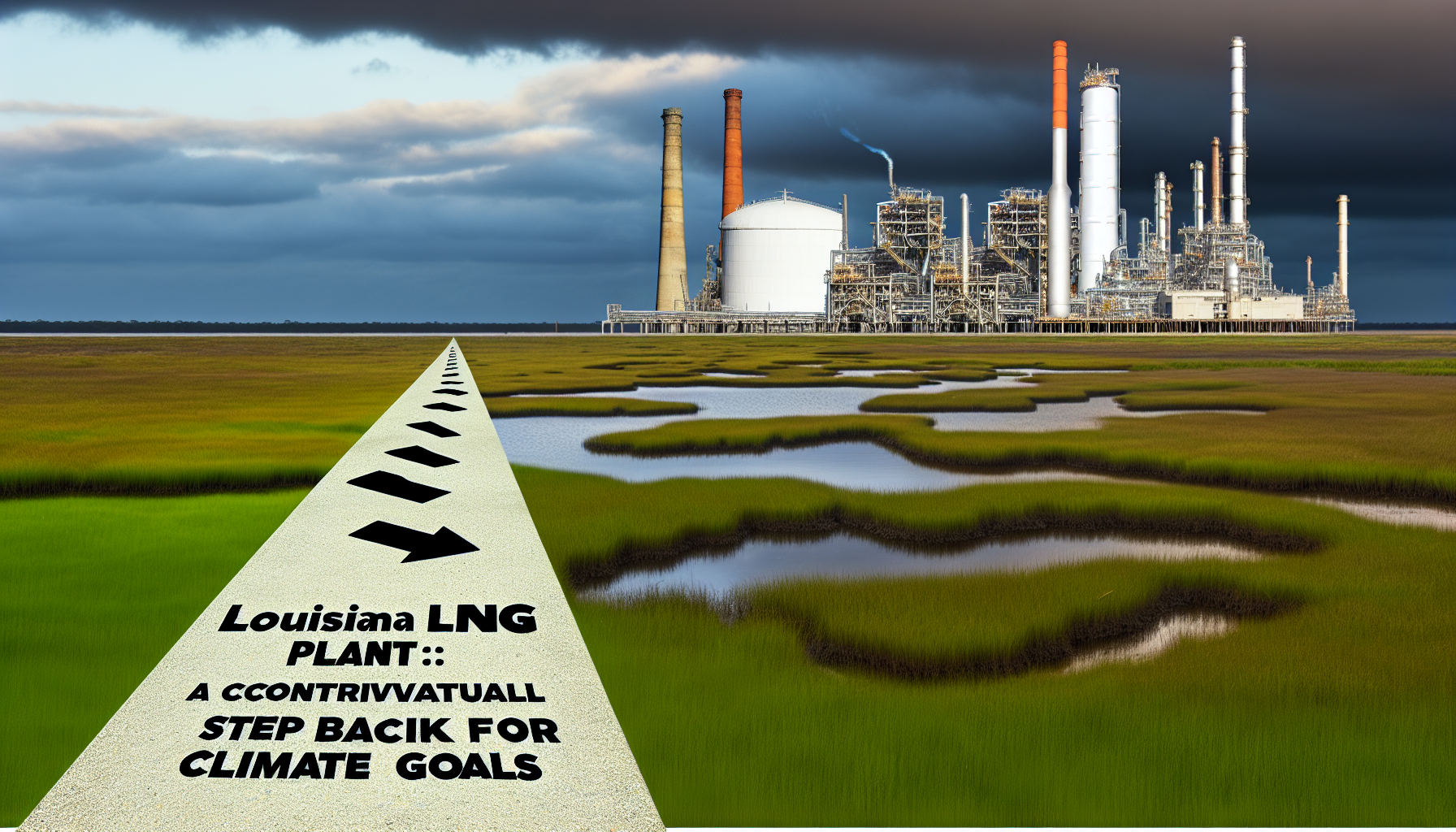
The newly proposed Louisiana LNG plant, set to commence operations in 2029, is on track to become the most polluting natural gas facility in the United States. According to permitting documents, the plant is projected to emit more than 9.5 million tons of greenhouse gases annually, raising alarms among environmentalists and climate advocates.
Environmental Impact and Regulatory Concerns
The scale of emissions anticipated from the Louisiana LNG facility starkly contrasts with the ambitious climate goals set by various governmental and international bodies. As nations strive to reduce their carbon footprint, projects like Louisiana LNG highlight a significant challenge in balancing energy needs with environmental sustainability.
Permitting documents reveal that the plant’s emissions would surpass those of any current operational facility in the country, raising critical questions about the direction of U.S. energy policy. While the demand for natural gas is often justified on the grounds of providing a cleaner energy alternative to coal, such massive emissions from projects like Louisiana LNG complicate this narrative.
Fossil Fuel Expansion Amid Climate Goals
The Louisiana LNG plant is emblematic of a broader trend in the U.S. energy sector: the ongoing expansion of fossil fuels despite increasing commitments to combat climate change. Industry proponents argue that natural gas serves as a bridge fuel, facilitating a transition towards renewable energy sources. However, critics contend that investing in new fossil fuel infrastructure detracts from necessary investments in sustainable energy solutions.
Environmental groups have voiced strong opposition to the Louisiana LNG project, citing its potential to undermine local and national climate efforts. They warn that the plant’s emissions could exacerbate the already dire consequences of climate change, including more frequent and severe weather events, rising sea levels, and detrimental impacts on public health.
An Overview of the Louisiana LNG Project
- Location: Louisiana
- Projected Opening: 2029
- Annual Emissions: Over 9.5 million tons of greenhouse gases
- Ranking: Expected to be the most polluting natural gas facility in the U.S.
Public Sentiment and Community Response
The community surrounding the Louisiana LNG plant has expressed a mix of anticipation and concern. While some local stakeholders are optimistic about the economic opportunities the facility may bring, others are wary of the environmental implications and potential health risks associated with such high levels of emissions.
Local advocacy groups are mobilizing to contest the plant’s development, stressing the importance of prioritizing community health and environmental justice. They argue that the long-term consequences of increased greenhouse gas emissions could outweigh any short-term economic benefits.
Policy Implications and Future Considerations
The Louisiana LNG project raises significant policy questions regarding the future of energy production in the U.S. As the nation grapples with its commitments to international climate agreements and the pressing need to curb greenhouse gas emissions, the approval of such facilities could signal a troubling shift in energy policy.
Experts in environmental policy suggest that a comprehensive approach is necessary to address both energy needs and climate goals. This may include: See also climate change report.
- Investment in renewable energy technologies
- Implementation of stricter regulations on emissions from fossil fuel facilities
- Promotion of energy efficiency and conservation measures
Without a shift towards more sustainable practices, projects like Louisiana LNG could undermine the progress made in addressing climate change and achieving energy independence.
Conclusion
The Louisiana LNG plant epitomizes the tension between the demand for energy and the urgent need for environmental protection. As the facility prepares to begin operations in 2029, it stands as a stark reminder of the challenges that lie ahead in the fight against climate change. With its projected emissions set to surpass any current facility in the U.S., stakeholders must seriously consider the implications of this project, not only for local communities but for the planet as a whole.
Ultimately, the future of energy production in the U.S. will depend on the choices made today. As the nation navigates its path forward, it is crucial to prioritize sustainable practices that align with global efforts to combat climate change.


