

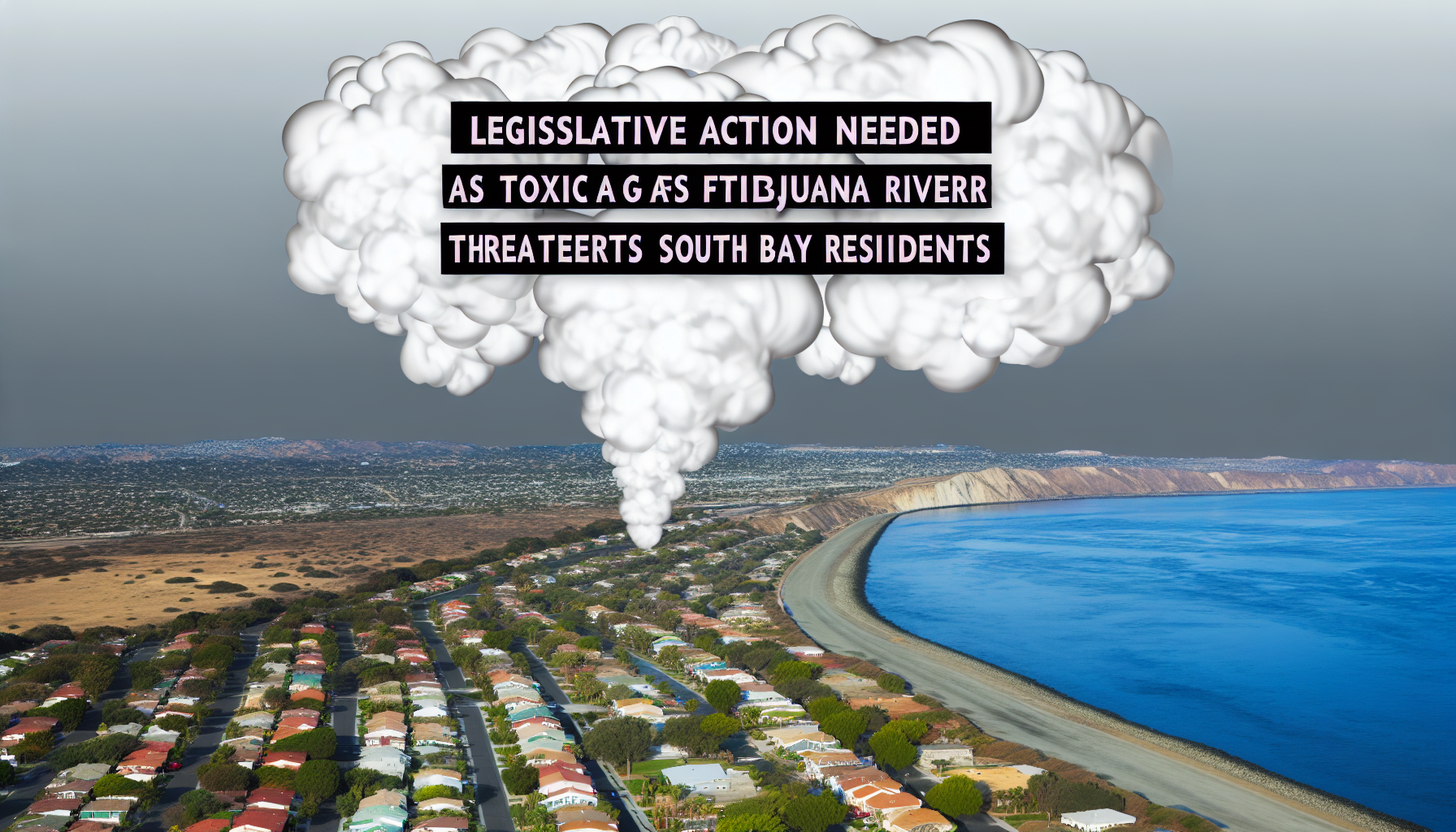
The ongoing environmental crisis stemming from the Tijuana River has reached alarming levels, with toxic hydrogen sulfide gas spilling into South Bay communities. On April 12, 2026, South Bay residents, particularly in Nestor and San Ysidro, faced hazardous air quality conditions as measurements of hydrogen sulfide surpassed 30 parts per billion (ppb). This figure exceeds the alert threshold established by the San Diego Air Pollution Control District (APCD) for sensitive groups, including children and the elderly.
The Threat of Hydrogen Sulfide
Hydrogen sulfide is a colorless gas known for its distinct smell of rotten eggs. At elevated levels, it poses significant health risks, particularly for vulnerable populations. The San Diego APCD has categorized levels above 30 ppb as alarming, necessitating immediate action to protect residents. Yet, despite these dangers, the current regulatory framework falls short of addressing the root causes and establishing effective measures to mitigate the risks associated with this toxic gas.
Legislative Gaps and Public Health
In a recent testimony, State Senator Alex Padilla highlighted the inadequacies of existing air quality standards. He underscored that regulations have not kept pace with emerging scientific understanding of the health impacts of air pollutants. This discrepancy has serious implications for public health, particularly in communities already burdened by pollution.
The APCD’s primary response to hazardous gas levels is to issue alerts. However, these alerts do not impose any direct regulations or immediate remediation efforts, leaving residents vulnerable and exposed to harmful air. Senator Padilla’s remarks have sparked discussions around the need for more robust legislative action that would compel stricter air quality standards and greater accountability for pollution sources.
Community Impact and Response
The invasion of toxic gases into South Bay is not a new phenomenon. The Tijuana River has been a chronic source of pollution, exacerbated by inadequate waste management practices and insufficient infrastructure in Tijuana, Mexico. Rain events often exacerbate this situation, leading to increased runoff that carries sewage and other contaminants across the border.
Residents of Nestor and San Ysidro have expressed frustration and concern over the ongoing pollution issues. Local advocacy groups are rallying for improved measures to protect public health and the environment. Community leaders emphasize that the health of residents should be prioritized over political hurdles.
Proposed Legislative Solutions
In light of the recent incidents, local lawmakers are considering several legislative proposals aimed at addressing the pollution crisis in the Tijuana River area. These proposals include:
- Enhanced Air Quality Regulations: New standards that would lower acceptable limits for hydrogen sulfide and other pollutants.
- Infrastructure Improvements: Investments in cross-border sewage treatment facilities to prevent untreated wastewater from entering the river system.
- Increased Monitoring: Implementation of more comprehensive air quality monitoring systems to provide real-time data on pollutant levels.
- Community Health Initiatives: Programs aimed at educating residents about the health risks associated with air pollution and providing resources for vulnerable populations.
These proposals underscore the urgency for legislative action and community engagement to address the environmental challenges posed by the Tijuana River. Without decisive action, residents will continue to bear the health consequences of unchecked pollution.
Looking Ahead
As discussions unfold within the legislature, the need for immediate and effective solutions is clearer than ever. Policymakers must prioritize the health and safety of South Bay residents by taking bold steps to regulate air quality and address the root causes of pollution.
In the meantime, community members are encouraged to stay informed and engaged. Activism and public pressure can play a crucial role in holding elected officials accountable and ensuring that environmental protections are not only proposed but enacted.
The Tijuana River’s toxic gas crisis is a poignant reminder of the interconnectedness of environmental health and community well-being. It highlights the critical need for legislative frameworks that reflect current scientific understanding and prioritize public health over complacency in the face of pollution.


