

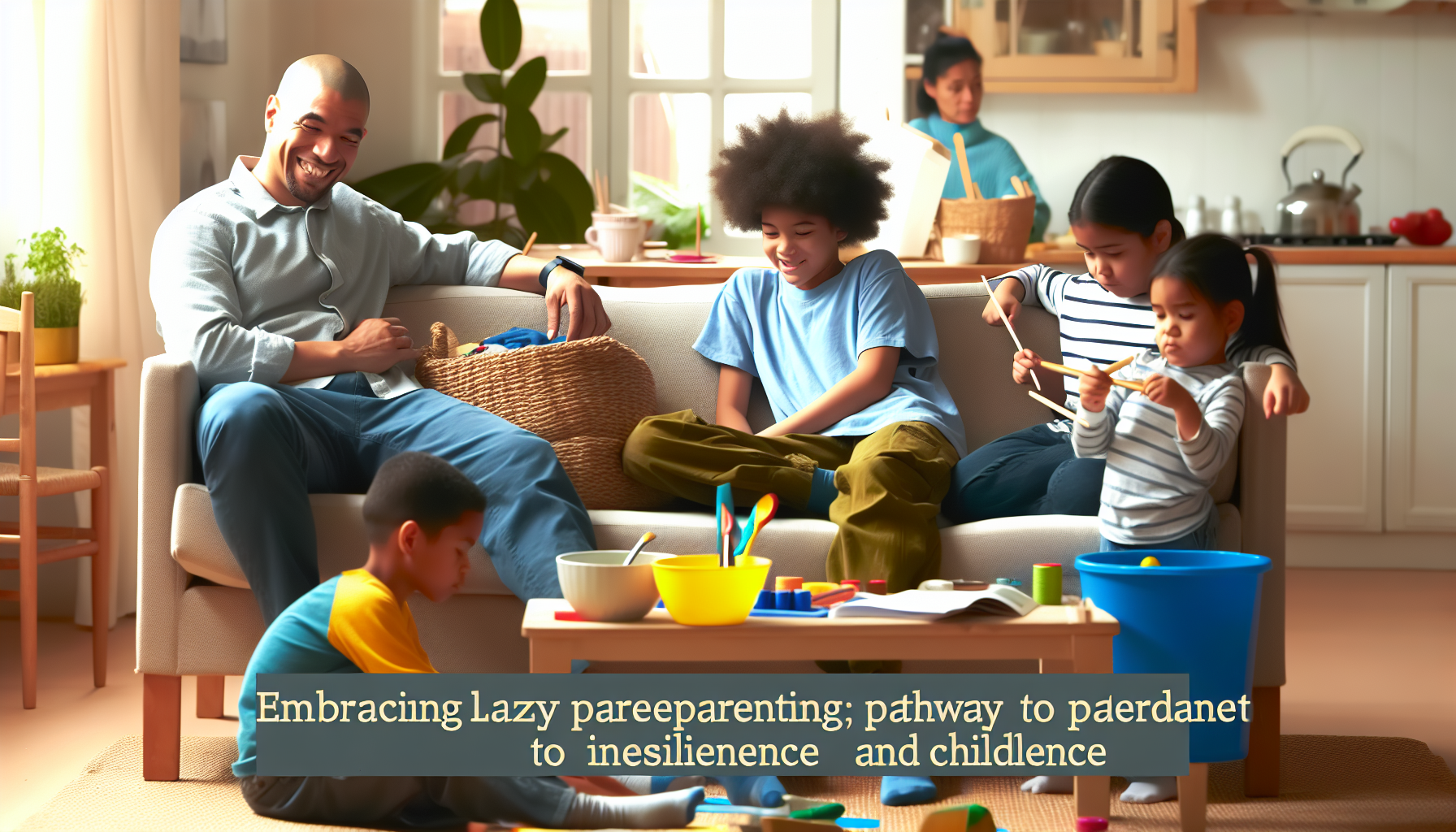
In a fast-paced world where parents are often overwhelmed by the pressures of modern parenting, a new approach known as lazy parenting is gaining traction. Contrary to what the name suggests, lazy parenting is not about neglect or irresponsibility; rather, it is a deliberate strategy that encourages children to develop independence and resilience by stepping back and allowing them to face challenges on their own.
The Concept of Lazy Parenting
Lazy parenting was highlighted in a recent article by the Times of India, shedding light on this unconventional approach that contrasts sharply with the culture of over-scheduling and constant supervision prevalent in many households today. The essence of lazy parenting lies in the idea that children can learn valuable life skills through their experiences, even if those experiences include making mistakes.
Encouraging Independence
One of the primary benefits of lazy parenting is that it fosters independence in children. By allowing kids to handle everyday challenges without parental intervention, parents can help them develop critical problem-solving skills. For instance, when a child struggles to tie their shoelaces or navigate a social situation, stepping back provides them with the opportunity to find solutions on their own.
- Learning from Mistakes: Children learn best when they are given the chance to make mistakes. These experiences can be valuable lessons that teach responsibility and resilience.
- Building Confidence: Successfully overcoming challenges boosts a child’s self-esteem, making them more confident in their abilities.
- Encouraging Decision-Making: When parents refrain from micromanaging their children’s choices, they allow them to practice decision-making, which is essential for their growth.
Counteracting Over-Scheduling
In today’s society, many parents feel pressured to keep their children busy with structured activities such as sports, music lessons, and academic tutoring. This over-scheduling can lead to exhaustion for both parents and children. Lazy parenting advocates for a more relaxed approach, where downtime is seen as beneficial rather than wasted time.
Children need time to engage in unstructured play, which is crucial for developing creativity and social skills. By prioritizing leisure and allowing children to choose their activities, parents can help them cultivate their interests organically.
Mindful Guidance vs. Neglect
It is essential to clarify that lazy parenting should not be confused with neglect. Mindful guidance is at the heart of this parenting style. While parents step back, they still provide support and encouragement when necessary. This balance allows children to feel secure while exploring their boundaries.
For example, if a child is hesitant about approaching a new friend at the playground, a parent can gently encourage them but should refrain from intervening directly. This method promotes emotional growth and helps children learn to manage their feelings.
Reducing Parental Pressure
Another significant aspect of lazy parenting is the reduction of parental pressure. Many parents feel an overwhelming need to be constantly involved in their child’s life, leading to stress and anxiety. By adopting a lazy parenting approach, parents can alleviate some of this burden, allowing them to focus on their well-being as well.
- Improving Mental Health: When parents step back, they can experience less stress and anxiety, leading to a healthier family dynamic.
- Fostering Relaxation: A more relaxed parenting style encourages families to spend quality time together without the pressure of structured activities.
- Creating Balance: Lazy parenting promotes a balanced lifestyle, encouraging both parents and children to prioritize their needs and interests.
Conclusion: A Balanced Alternative
Lazy parenting provides a refreshing alternative to the high-pressure environment that many families find themselves in today. By allowing children to tackle challenges independently, parents can cultivate essential life skills such as resilience, responsibility, and confidence. This approach not only benefits children but also reduces stress for parents, leading to a more harmonious family life. There’s a fuller look at supporting working parents.
As we navigate the complexities of parenting, it is crucial to remember that stepping back does not mean stepping away. Instead, it is about finding the right balance between guidance and independence. Embracing lazy parenting may just be what your child needs to thrive in an increasingly demanding world.


