

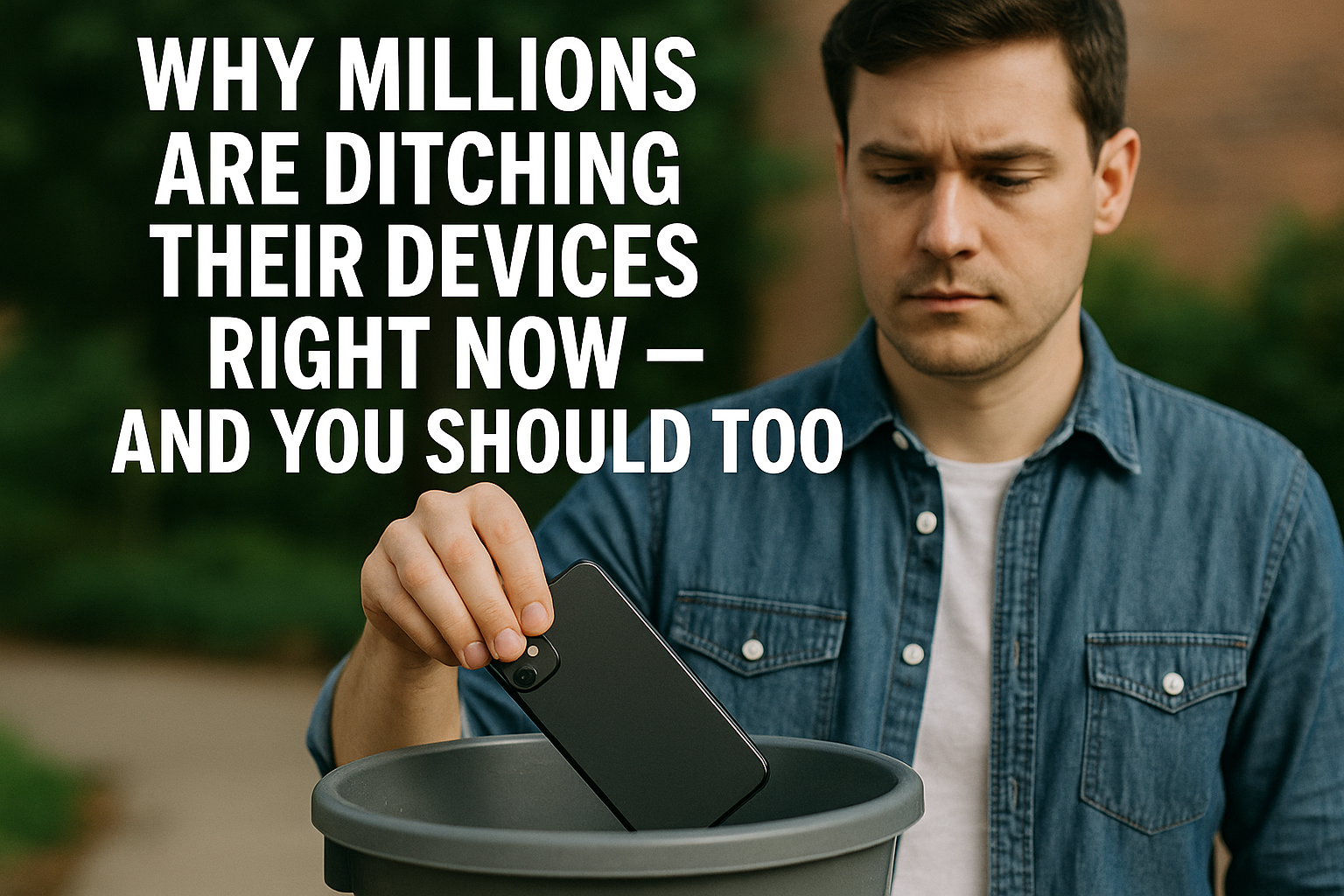
Ever feel like your smartphone is less a helpful tool and more a demanding boss? You’re not alone. In 2026, there’s a palpable shift happening, a growing weariness with the relentless push of digital content and the constant monetization of our attention. This isn’t just about taking a break; it’s about a fundamental reevaluation of our relationship with technology. It’s called digital minimalism, and it’s fast becoming an essential digital minimalism guide for anyone looking to reclaim their focus and mental well-being in an increasingly connected world.
The core idea is simple: use technology intentionally, not habitually. It’s about curating your digital life to serve your goals and values, rather than letting algorithms dictate your day. If the thought of endless scrolling and notification pings makes you sigh, then this guide to a more mindful digital existence might just be the breath of fresh air you need.
The ‘Why’ Behind the Movement: Reclaiming Your Sanity
Let’s be honest, the digital landscape has become a bit of a wilderness. Every app, every platform, every ‘influencer’ seems to be vying for a piece of your precious attention. This constant bombardment isn’t just annoying; it’s exhausting. It fragments our focus, erodes our ability to concentrate, and often leaves us feeling more depleted than enriched. The promise of connection has, for many, morphed into an overwhelming sense of obligation and comparison.
This widespread fatigue is the driving force behind the digital minimalism movement. People are actively seeking to ‘switch off,’ not as an act of rebellion, but as a necessary step towards better mental health. It’s about recognizing that while technology offers incredible benefits, its unchecked use can silently chip away at our peace of mind and genuine human connections. It’s about creating boundaries, not just with others, but with the very devices we carry in our pockets.
Your Top 10 Digital Minimalism Guide to a Happier, Focused Life
1. Audit Your Devices and Apps: What’s Really Serving You?
Before you can simplify, you need to understand what you’re actually using. Take an honest inventory of every app on your phone, tablet, and computer. Ask yourself: Does this app genuinely add value to my life? Does it help me achieve a goal or connect meaningfully? Or does it primarily serve as a time sink or a source of anxiety?
Be ruthless here. Delete anything that doesn’t pass the test. You’ll be surprised how many apps are simply clutter, forgotten after an initial download, yet still contributing to a sense of digital overwhelm. This initial purge is a critical step in any effective digital minimalism guide.
2. Disable Non-Essential Notifications: Silence the Digital Clutter
Those constant pings and vibrations are designed to grab your attention, pulling you away from whatever you’re doing. Turn off all non-essential notifications – especially for social media, news alerts, and games. Keep only those that are truly urgent or personal (like direct messages from close contacts). (See: technology and mental well-being.)
This simple act can be profoundly liberating, allowing you to engage with your devices on your terms, rather than reactively responding to every digital tap on the shoulder. You’ll find yourself less distracted and more present in your real-world interactions.
3. Schedule Your Digital Time: Intentional Engagement
Instead of constantly checking your devices, designate specific times for digital activities. This could mean checking emails only twice a day, or limiting social media browsing to a 15-minute slot in the evening. Treat digital time like any other appointment.
This strategy transforms passive consumption into active engagement. You’re no longer mindlessly scrolling; you’re deliberately choosing when and how you interact with the digital world, making it a powerful component of your personal digital minimalism guide.
4. Create ‘No-Phone’ Zones and Times: Reclaim Sacred Spaces
Identify areas and moments in your day where phones are simply not allowed. This could be the dinner table, your bedroom, or the first hour after you wake up. These boundaries protect your personal time and relationships from digital intrusion.
By creating these sacred spaces, you foster deeper connections with family and friends, and cultivate moments of quiet reflection that are so often lost in our always-on culture.
5. Curate Your Social Media Feeds: Quality Over Quantity
Unfollow accounts that make you feel inadequate, angry, or simply bored. Actively seek out content creators and friends who inspire you, educate you, or genuinely entertain you. Your social media feed should be a source of positive engagement, not a stressor.
Remember, you have control over what you see. Don’t let algorithms dictate your mood. A truly effective digital minimalism guide emphasizes conscious content consumption. (See: digital minimalism movement.)
6. Embrace a Digital Detox Weekend: A Mini-Reset
Once a month, consider taking a full weekend away from all non-essential screens. Leave your phone at home for an outing, or simply put it away in a drawer from Friday evening to Monday morning. Use this time to rediscover hobbies, spend time in nature, or connect with loved ones face-to-face.
These mini-detoxes can be incredibly refreshing, offering a powerful reminder of life beyond the screen and boosting your commitment to digital minimalism.
7. Swap Digital for Analog: Rediscover the Tangible
Can you replace a digital habit with an analog one? Read a physical book instead of scrolling on your tablet. Write in a journal instead of typing notes. Listen to records instead of streaming. These small shifts can bring a surprising amount of calm and tactile satisfaction.
Re-engaging with the physical world can ground you and reduce the constant mental hum of digital information.
8. Use Your Phone as a Tool, Not a Toy: Define Its Purpose
Shift your mindset. Your smartphone is a powerful tool for communication, navigation, and productivity. It’s not primarily an entertainment device or a distraction machine. When you pick it up, have a clear purpose in mind.
This intentionality helps break the cycle of aimless browsing and gives you more control over your device usage.
9. Declutter Your Digital Files and Desktop: A Tidy Mind
Minimalism isn’t just about apps; it extends to your digital workspace. Organize your computer files, delete old documents, and clean up your desktop. A cluttered digital environment can contribute to mental clutter.
A tidy digital space reflects a more organized mind, making it easier to focus when you do need to engage with your devices.
10. Find Alternative Sources of Entertainment and Connection: Beyond the Screen
What did you used to do before the internet consumed so much of your free time? Rekindle old passions, learn a new skill, join a club, or volunteer. Actively seek out real-world experiences and human connections that don’t rely on a screen.
This is perhaps the most crucial step in any digital minimalism guide: filling the void left by reduced screen time with genuinely enriching activities that nourish your soul and build a more fulfilling life.
Embracing digital minimalism in 2026 isn’t about rejecting technology entirely. It’s about being deliberate, choosing quality over quantity, and ensuring your digital tools serve you, rather than the other way around. It’s a powerful step towards reclaiming your focus, improving your mental well-being, and living a more present, intentional life.
Trending Now
- this guide on unbelievable: why these ozempic face transformations are sparking outrage
- our breakdown of explosive: dolly parton’s estate files restraining order against nephew amidst shocking threats
- read the full story
- our breakdown of stunning new details emerge about the mandalorian movie – what you need to know now
- this guide on revealed: 10 jaw-dropping budget fall travel destinations for 2026 you can’t miss
Frequently Asked Questions
Why are people ditching their smartphones?
Many are reevaluating their relationship with technology due to the overwhelming nature of constant digital content and attention monetization. This shift towards digital minimalism helps individuals reclaim their focus and mental well-being by using technology intentionally instead of habitually.
What is digital minimalism?
Digital minimalism is a philosophy that encourages individuals to use technology in a way that aligns with their goals and values. It emphasizes the importance of curating one's digital life to enhance focus and mental health, rather than allowing technology to dictate daily habits.
How can I practice digital minimalism?
To practice digital minimalism, start by assessing your current technology usage. Set boundaries for device use, limit notifications, and curate your digital environment to focus on what truly matters to you. This mindful approach can help improve your mental clarity and overall well-being.
What are the benefits of digital minimalism?
The benefits of digital minimalism include improved focus, reduced anxiety, and enhanced mental well-being. By intentionally using technology, individuals can foster genuine human connections and create a more balanced life, free from the distractions of constant digital engagement.
Is digital minimalism a trend?
Yes, digital minimalism is increasingly recognized as a movement in response to the overwhelming nature of technology in our lives. As more people experience digital fatigue, they are seeking mindful ways to engage with technology, making this approach a relevant trend in today's society.
What did we miss? Let us know in the comments and join the conversation.


